




As the #BecomingChinese trend sweeps the globe, Chinese health-preserving habits such as drinking warm water, boiling herbal teas, and soaking feet have become a new fashion among foreign netizens. These seemingly daily routines are not just preferences, but rooted in thousands of years of traditional Chinese Medicine (TCM) concepts and life wisdom, with the core of “following nature and balancing body and mind” to form a positive cycle between the body, environment and daily schedule.
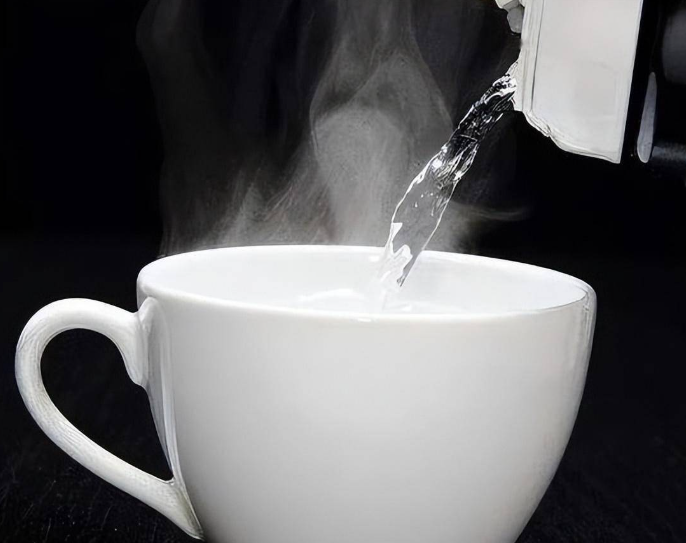
1. Drinking Warm Water: Nourish the Spleen and Stomach, Boost Blood Circulation
The preference for warm water over ice water among Chinese people stems from the TCM concept that “the spleen and stomach are the foundation of postnatal life”. TCM holds that the spleen and stomach thrive on warmth and fear cold; ice water or cold water can irritate the yang energy of the spleen and stomach, weaken digestive function, and lead to bloating, diarrhea, and fear of cold in the long run. Warm water, on the other hand, gently nourishes the spleen and stomach, promotes gastrointestinal peristalsis and nutrient absorption, and accelerates blood circulation to expel metabolic waste. Especially in changing seasons or cold weather, warm water can quickly replenish body heat and resist cold invasion, which is also an important reason why Chinese people pay more attention to “gentle health preservation” in the post-pandemic era.
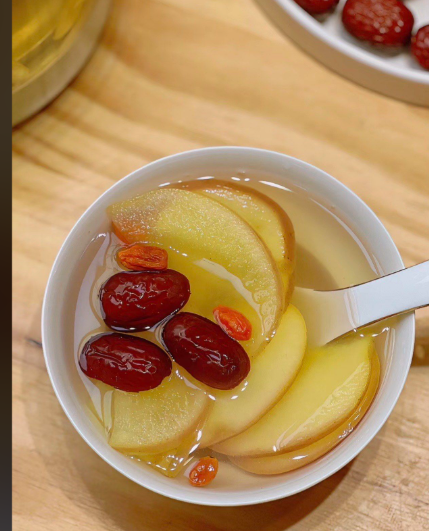
2. Boiling Apple Tea / Red Date and Wolfberry Tea: Medicinal food Integration for Daily Regulation
Apples, red dates, and wolfberries are typical ingredients of “medicinal and edible integration” in Chinese health preservation. Boiling them instead of eating raw is to better release nutrients and adapt to physical needs. After boiling, the dietary fiber in apples is more easily absorbed by the human body, which can invigorate the spleen, nourish the stomach, and relieve gastrointestinal sensitivity, suitable for people with weak spleen and stomach. Red dates are warm in nature and sweet in taste; boiled with wolfberries, they can tonify qi and blood, nourish the liver and kidneys, not only improving fatigue and dull complexion caused by insufficient qi and blood, but also relieving physical damage from staying up late and sitting for a long time. They are easy-to-make daily health supplements, especially suitable for office workers and middle-aged and elderly people.
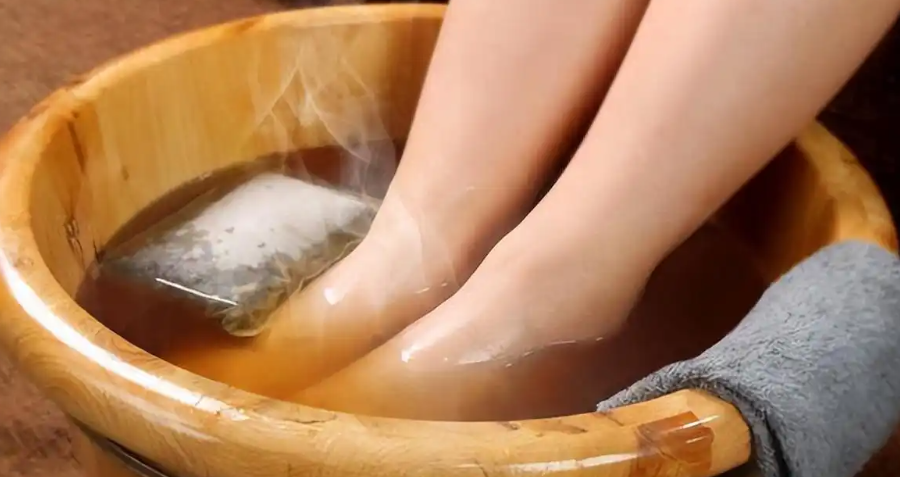
3. Soaking Feet: Warm Meridians, Disperse Cold and Calm the Nerves
“Soaking feet before bed is better than taking tonics” is a long-standing health proverb in China. Its core principle is to stimulate acupoints on the feet with warmth to unblock meridians, disperse cold and remove dampness. TCM believes that the feet are a gathering place of meridians in the human body, covered with reflex areas corresponding to internal organs. Soaking feet in hot water can promote blood circulation throughout the body, transfer heat to all parts of the body, and relieve cold hands and feet, joint pain caused by sitting for a long time and cold exposure. At the same time, the warm feeling can relax nerves, soothe emotions, improve insomnia and anxiety, and help the body quickly enter a resting state, achieving the dual effect of “nurturing the body and calming the mind”.
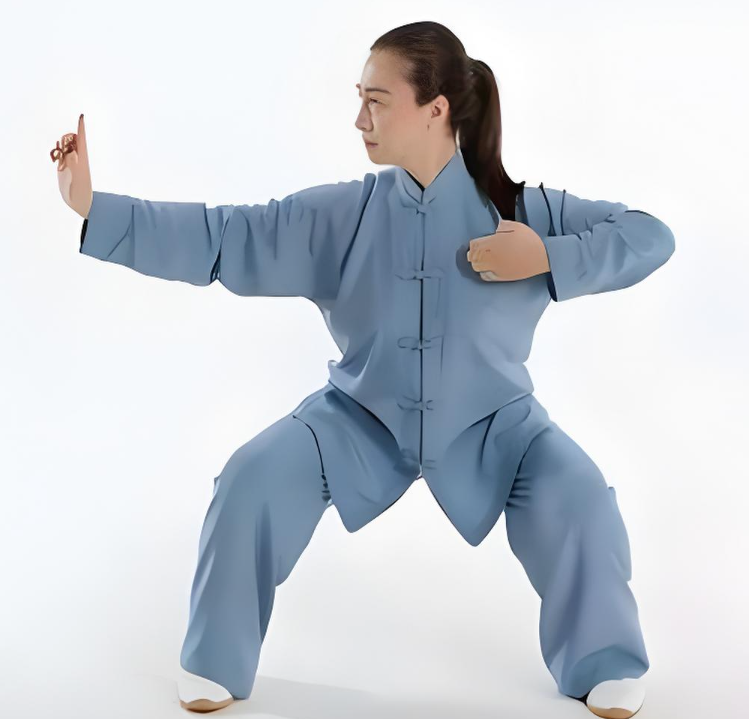
4. Practicing Baduanjin / Tai Chi: Balance Qi and Blood, Strengthen the Body
Baduanjin and Tai Chi are not just fitness exercises, but traditional practices integrating TCM meridian theory and Taoist health concepts, with the core of “guiding form with qi and combining movement and stillness”. During practice, the slow stretching of the body is combined with deep breathing, which can unblock meridians, balance qi and blood in the body, enhance the function of internal organs, and improve fatigue, weakness, and decreased immunity under sub-health conditions. Unlike high-intensity exercises, Baduanjin and Tai Chi are gentle in movements, suitable for people of all ages. They can not only exercise muscle and joint flexibility, but also calm impetuous moods, realizing the balance between body and spirit, which is the key to their acceptance by foreign netizens across Cultures.
5. Avoiding Cold and Raw food: Protect Yang Energy, Reduce Organ Burden
The emphasis on “avoiding cold and raw food” in Chinese diet is essentially to protect the body’s “yang energy” — TCM holds that yang energy is the core of maintaining life activities. Cold and raw food (such as iced drinks, raw seafood, cold dishes) can damage the yang energy of the spleen and stomach, disrupt the balance of yin and yang in the body, not only easily causing gastrointestinal discomfort, but also leading to deficient cold constitution and decreased immunity in the long run. Especially in autumn and winter, when yang energy is introverted, excessive consumption of cold and raw food will increase the cold in the body; even in summer, it is advocated to eat less cold and raw food to avoid gastrointestinal irritation caused by alternating cold and heat. This dietary principle of “following the seasons” is a direct embodiment of the TCM concept of “harmony between man and nature”.








暂无评论内容