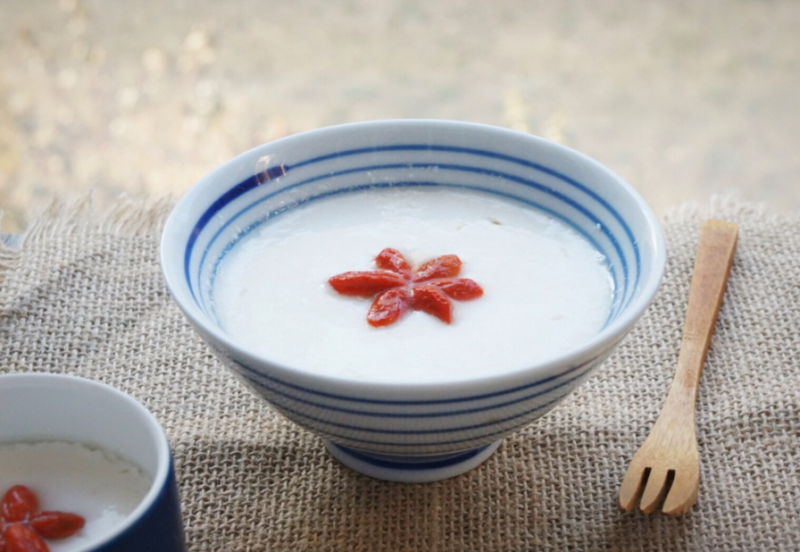





In the dessert spectrum of old Beijing, Imperial Cheese is an elegant delicacy with a “royal aura”. Unlike ordinary street snacks, it originated from the imperial kitchen of the royal family. With its creamy texture from natural milk fermentation and rich yet not cloying pure milk flavor, it spread from the palace to the people, becoming a iconic dessert embodying the refinement of old Beijing’s diet. Different from the salty and heavy Western cheese, Beijing Imperial Cheese is sweet, mild and smooth as pudding, with every bite reflecting the sophistication of traditional craftsmanship, making it an excellent choice for foreign tourists to experience the exquisite food Culture of Beijing.
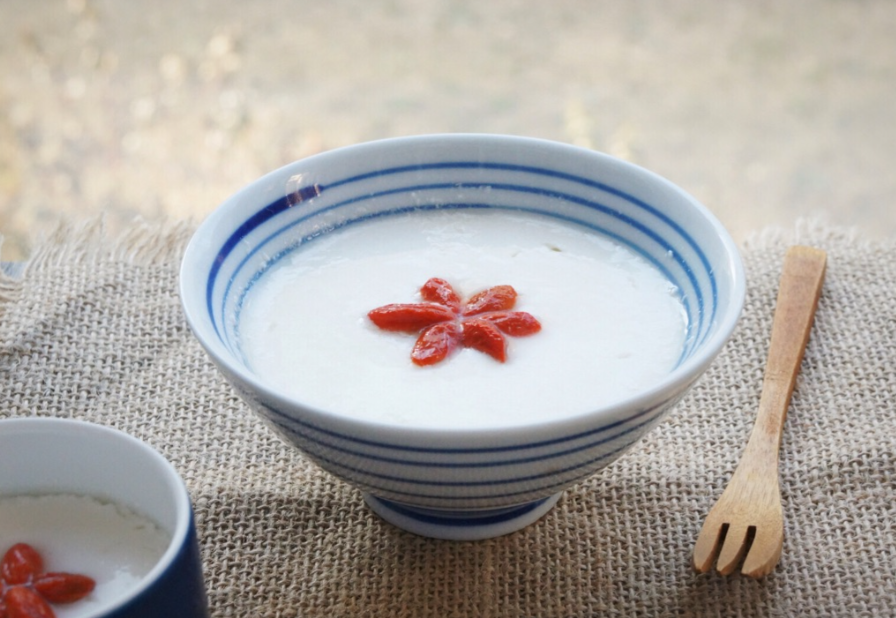
The origin of Imperial Cheese can be traced back to the Ming and Qing dynasties, with a profound heritage of royal cuisine. Legend has it that it was initially a summer dessert developed by the imperial kitchen for royal nobles. High-quality fresh milk was naturally fermented with rice wine lees, which not only retained the nutrition of milk but also formed a refreshing and non-cloying texture, suitable for relieving summer heat and greasiness. Due to its complex production process and high-quality raw materials, it was only available to the royal family, and ordinary people rarely had the chance to taste it. In the late Qing Dynasty and early Republic of China, the imperial craftsmanship gradually spread to the folk. Craftsmen optimized the formula while retaining the core process, bringing this royal dessert to pastry shops on the streets, making it a favorite exquisite snack of old Beijingers. After hundreds of years of inheritance, it still maintains its original pure flavor.
The soul of Imperial Cheese lies in the “purity of natural fermentation” and the “smoothness of texture”. The perfect integration of the two creates its core trait that distinguishes it from other desserts. Authentic Imperial Cheese has strict requirements for raw materials, rejecting any additives, and only relies on the natural flavor collision of ingredients to create deliciousness: milk must be fresh full-fat milk with no fishy smell. A moderate fat content ensures a rich milk flavor and creamy texture—too thin leads to insufficient flavor, while too thick tends to be cloying; the rice wine lees used for fermentation must be traditionally hand-made sweet rice wine lees. The natural bacteria contained in it can slowly ferment milk, forming a pudding-like solid texture, and at the same time endow a light rice wine sweetness, rather than the rigid texture of industrial fermentation.
The production process seems simple, but every step is sophisticated, especially the fermentation link which directly determines the final texture. First, process the milk: pour fresh milk into a pot, heat it slowly to a simmer over low heat, stir constantly to remove surface foam, then add a small amount of rock sugar and stir until completely melted (the sweetness is very low, only to neutralize the slight fishiness of milk), turn off the heat and let it cool to warm (too high temperature will kill the bacteria in the wine lees, while too low temperature cannot trigger fermentation). Next, ferment: add finely ground rice wine lees to the warm milk in proportion, stir thoroughly, divide into small bowls, cover the bowl mouths with gauze to prevent dust, and place in an environment with a constant temperature of 25-30℃ for natural fermentation for 4-6 hours, until the milk is completely solidified, forming a smooth and firm cheese-like texture.
After fermentation, no additional processing is needed. It can be eaten after refrigeration for a while, with a more refreshing texture. High-quality Imperial Cheese has distinct characteristics: it is as white as jade in appearance, smooth and bubble-free on the surface, firm but not stiff in texture. Scooping it gently with a spoon reveals a delicate texture, and it trembles slightly when shaking the bowl, resembling pudding but lighter. It melts instantly on the tongue without chewing—first comes the rich original milk flavor, followed by a light rice wine sweetness, sweet but not cloying, rich but not heavy, with a refreshing milk aroma lingering in the aftertaste. It has no saltiness of Western cheese, nor the heaviness of ordinary desserts. The traditional way to eat it is plain, but you can also sprinkle a little osmanthus crumbs, raisins or almond slices according to preferences, which enriches the texture without covering the pure flavor of the cheese.
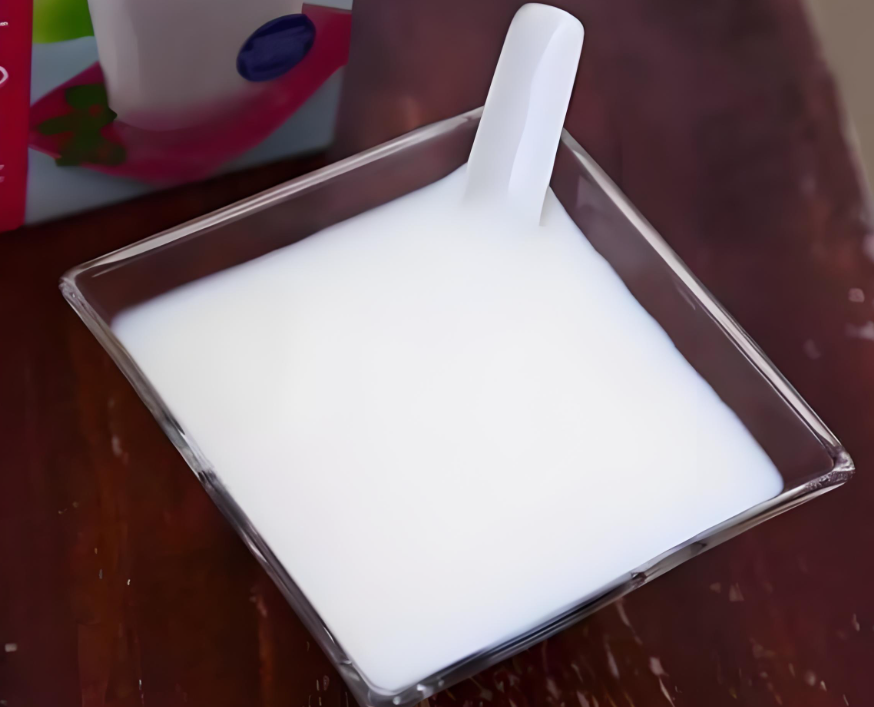
To taste the most authentic Imperial Cheese, you can’t go wrong with time-honored brands that adhere to traditional craftsmanship. Most of these brands retain hand fermentation techniques to restore the original royal flavor: Meiyuan Cheese (multiple branches) is a benchmark brand of Beijing Imperial Cheese. It uses high-quality fresh milk for hand fermentation, with a silky smooth texture and rich milk flavor. The plain cheese best reflects the original taste, with high cost performance, making it the first choice for foreign tourists trying it for the first time; Nailao Wei (Niujie Store), as a century-old time-honored brand, inherits the secret imperial craftsmanship, with precise control of fermentation time. Its cheese has a firm texture, with obvious rice wine sweetness in the milk flavor. Matching it with almond tofu in the store allows you to experience the double delight of old Beijing desserts. In addition, Huguosi Snacks also sells Imperial Cheese. Although mass-produced, its flavor is close to traditional, convenient for tourists to check in on the way.
There are several practical tips for tasting Imperial Cheese to help foreign tourists better unlock this delicacy. First, eating time: it is best to eat after refrigeration, when the texture is more refreshing and the milk flavor is more prominent. It relieves summer heat and greasiness when eaten in summer, and can be eaten at room temperature in winter to avoid stimulating the stomach and intestines. Second, flavor adaptation: the plain version is the best to reflect the original taste of Imperial Cheese. If you like a richer texture, you can choose the version sprinkled with osmanthus crumbs, where the floral and milk flavors interweave for a more layered taste. Third, storage method: freshly made Imperial Cheese has a very short shelf life, so it is recommended to eat it the same day. For short-term storage, seal it and refrigerate for no more than 8 hours. Do not heat it before eating again, otherwise the solidified texture will be destroyed. Fourth, matching suggestions: it can be paired with old Beijing almond tea or Wandouhuang (pea cake), complementing each other in sweetness and fragrance to create a complete old Beijing dessert experience.
Beijing Imperial Cheese has no gorgeous decoration or complex ingredients, but with the natural collision of milk and rice wine lees and the careful polishing of handcraftsmanship, it has become an elegant part of old Beijing’s food Culture. It hides in the windows of time-honored brands and in the exquisite daily life of old Beijingers, interpreting the low-key luxury of royal cuisine with pure milk flavor and smooth texture. For foreign tourists, tasting Imperial Cheese is not only a culinary enjoyment but also an immersive opportunity to experience the exquisite food culture of Beijing—in a bite of creaminess and sweetness, understand the both down-to-earth and elegant dietary wisdom of this city.








暂无评论内容