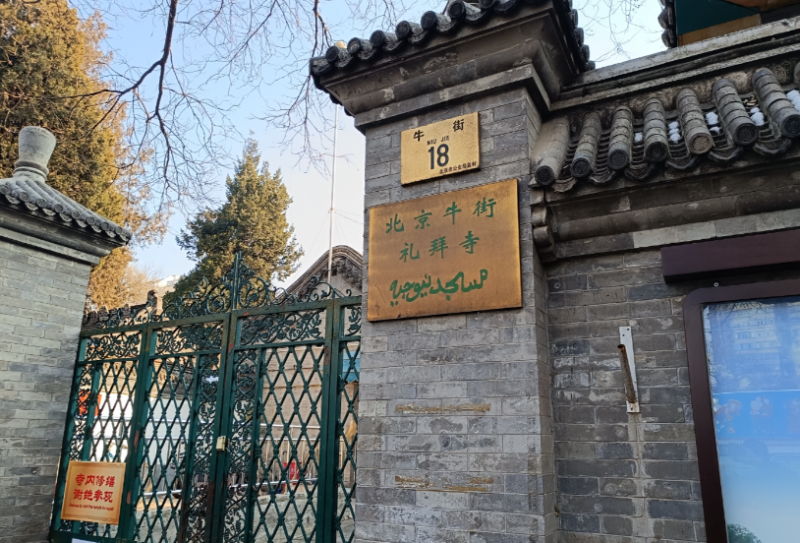





In the southwest corner of Beijing, Niujie stretches like a vein flowing with millennium charm, connecting the inheritance of halal Culture and the vitality of street life. This block, home to 23 ethnic groups with the Hui people as the main body, is not only a sacred place yearned for by Muslims around the world for its reputation as “Eastern Mecca”, but also a core window for foreign tourists to understand Beijing’s diverse culture and culinary heritage. From the completion of the mosque in the Northern Song Dynasty to today’s characteristic street integrating sightseeing, pilgrimage and catering, Niujie has always adhered to its essence through time, passing down Culture and delicacies from generation to generation.
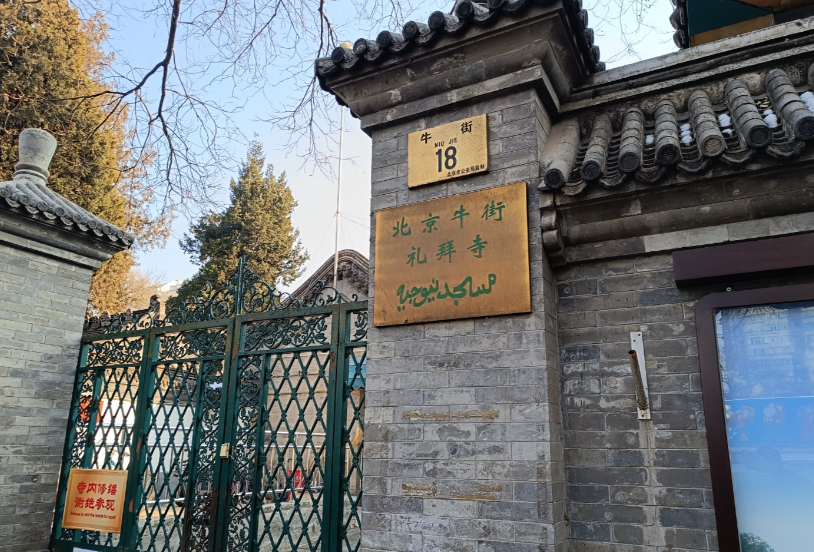
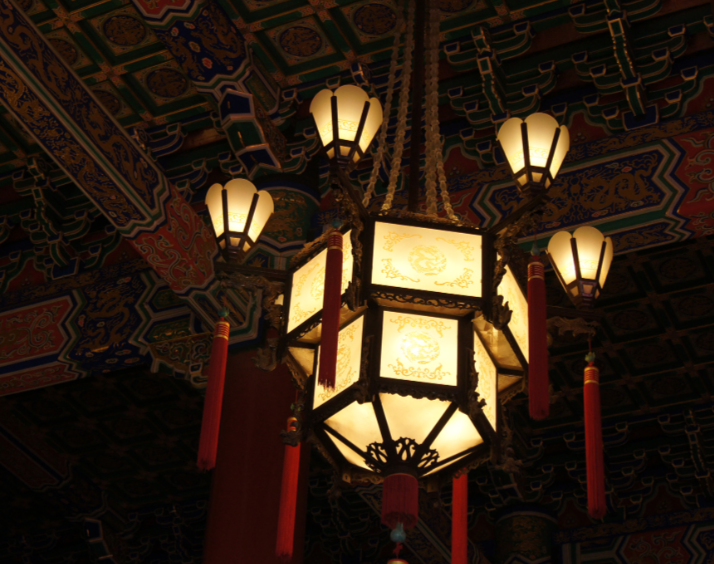
The soul of Niujie lies in the millennium-old mosque. As the oldest mosque in Beijing, Niujie Mosque was first built in 996 AD during the Northern Song Dynasty, expanded in the Xuande period of the Ming Dynasty, and renovated in the Kangxi period of the Qing Dynasty. Now it is a national key cultural relic protection unit. The mosque combines traditional Chinese architecture with Islamic cultural characteristics, with a solemn vermilion gate, cornices curving upward, and Arabic scriptures carved on the painted beams and pillars inside the hall. Light filters through the lattice windows onto the ground, exuding simplicity and sacredness. It is not only a place for Muslims to hold religious activities, but also a gathering place for people of all ethnic groups during festivals such as Eid al-Fitr and Eid al-Adha. Dressed in festive costumes, they gather here, the melodious recitation of the Koran echoes, and the streets are decorated with colorful flags, making it an excellent time to experience the atmosphere of ethnic integration. With a ticket price of only 5 yuan and all-day opening hours, it is convenient for tourists to visit this millennium-old cultural heritage at any time.
If the ancient mosque is the spiritual core of Niujie, then the halal food scattered across the streets is its most attractive culinary coat. Niujie’s food Culture originates from the craftsmanship inherited by the Hui people who have lived here for generations. Even the names of the hutongs hide delicious codes——Shuru Hutong, once named “Shourou Hutong” (Cooked Meat Hutong), has witnessed the centuries-old circulation of halal delicacies such as braised beef. Today, from the north entrance to the south entrance of the street, you can encounter the fragrance of time-honored brands every step of the way, forming a mature food exploration route that allows diners to experience authentic flavors in one stop.
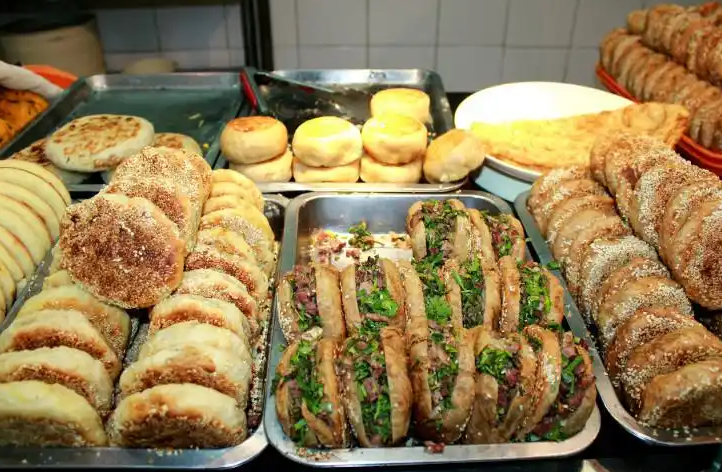
Hongji Snacks is undoubtedly the most popular spot in Niujie. There are always long queues in front of its three windows, and the sight of locals buying in large quantities is the best proof of its taste. The signature beef cubes are hot and fragrant just out of the oven, with the aroma of cumin and sesame wrapping the tender beef, becoming more flavorful as you chew. The fried cakes are golden and crispy, showing distinct yellow, white and black colors when bitten open——crisp outer skin, soft glutinous rice and sweet red bean paste, with rich layers. Ai Wo Wo is also a must-try, with a snow-white and glutinous outer skin wrapped in a sweet filling, soft but not sticky to the teeth, showing the delicacy of Chinese desserts.
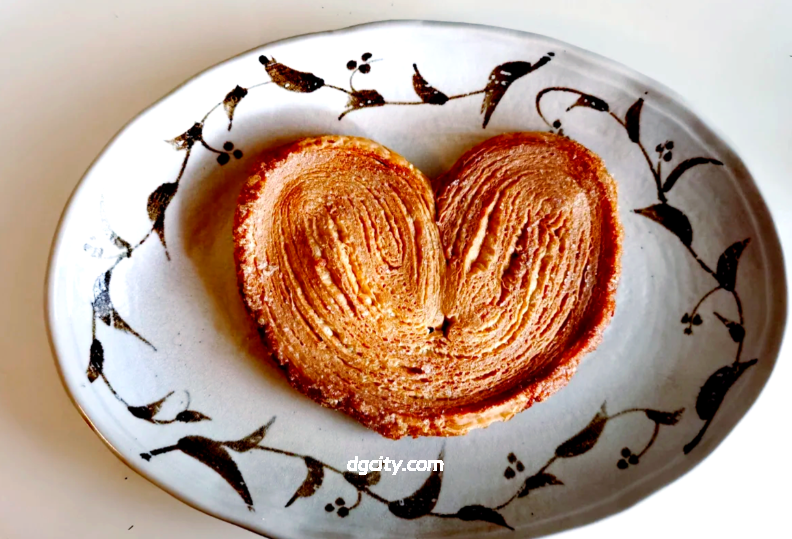
The “Two Rice Cake Giants” next to Niujie Halal Supermarket——Baiji Rice Cake and Yibao Lotus Leaf Zeng Cake, are must-visit spots for sweet lovers. Baiji Rice Cake’s yellow rice and purple rice versions are soft and solid, with dense red bean paste in the middle, sweet but not cloying. Its Ludagun is even more outstanding, with mellow glutinous rice flour, delicate sweet red bean paste and just the right aroma of soybean flour on the outside. Yibao Lotus Leaf Zeng Cake exudes a unique fragrance, made by steaming glutinous rice, jujubes and red kidney beans wrapped in lotus leaves, integrating the fragrance of rice, sweetness of jujubes and freshness of lotus leaves, soft and not overly sweet, leaving a lasting aftertaste. In addition, Dashunzhai Sugar Baked Cake in the supermarket is a classic, with only 25% flour and 75% auxiliary materials such as sesame paste, brown sugar and osmanthus, creating a rich flavor, crispy outside and tender inside, with a strong aroma.
In addition to snacks, there are also wonderful options for main meals. Tulufan Restaurant combines Xinjiang flavors with Beijing halal dishes. The grilled lamb skewers are evenly fat and lean, rich in cumin aroma; the hand-grasped lamb melts in the mouth without mutton odor; the braised oxtail is delicious and mellow, showing the exquisite craftsmanship of halal cuisine. Jubao Yuan’s copper pot hot pot is a representative of old Beijing hot pot, with tender meat that remains tender after long cooking. Paired with sesame paste dipping sauce, it unlocks the dining ritual of old Beijingers in one bite. Nailao Wei’s imperial cheese is the icing on the cake. The semi-solid dairy product made of fresh milk and glutinous rice wine has a strong milk flavor and smooth texture. Paired with refreshing almond tofu or crispy fried fresh milk, it is an excellent post-meal dessert.
Practical tips can make the trip smoother. For transportation, take Metro Line 7 to Guang’anmennei Station, Exit B, and walk 500 meters to reach the north entrance of Niujie, which is convenient throughout. It is recommended to enter from the north entrance, visit Tulufan Restaurant, Hongji Snacks, the food stalls of Halal Supermarket and Jubao Yuan in turn, then turn into Shuru Hutong and Jiaozi Hutong to form a loop and enjoy all the delicacies. For etiquette, dress appropriately when entering the mosque and respect religious customs; when tasting halal food, note the dietary taboos of no pork and no alcohol. The best visiting time is before 9 am, which allows you to avoid peak queues and taste fresh snacks just out of the oven.
Niujie has no hustle and bustle of prosperous business districts, but interprets Beijing’s diversity and inclusiveness with the tranquility of the millennium-old mosque and the fragrance of street food. Every bite here hides the persistence of craftsmanship, and every scene reveals the depth of culture. For foreign tourists, Niujie is not only a food street, but also a window to Beijing’s ethnic culture and culinary wisdom. In the interweaving of street charm and sacredness, you can understand the warmth and heritage of this city.



暂无评论内容