




Beijing, an ancient capital with thousands of years of history, is not only the political heart of China but also a spiritual home carrying diverse cultural genes. The core value of its cultural symbols lies in the **symbiotic integration of imperial grandeur and civilian warmth**. It outlines a unique urban character amid the changes of ancient and modern times, and with the trait of “blending the ancient and the modern, integrating Chinese and Western elements”, it becomes a key window to understand China’s historical context and modern development.
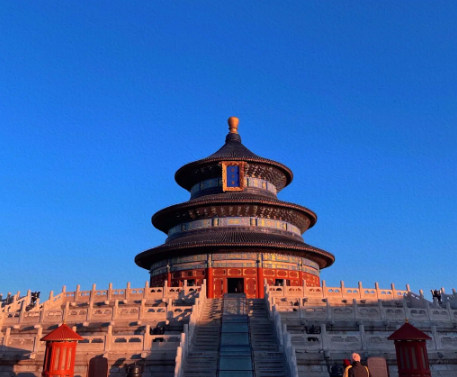
Beijing’s cultural symbols have never been presented in a single dimension. On one side are grand buildings such as the Forbidden City and the Temple of Heaven that embody imperial power, rituals, and the philosophy of harmony between heaven and humans. The Forbidden City, with its red walls, yellow tiles, and axisymmetric layout, freezes the power totem of 24 emperors of the Ming and Qing dynasties. As the world’s largest wooden palace complex, every golden brick floor and gilded bronze lion is inscribed with the majesty and order of the royal family. The Temple of Heaven, with its exquisite design of “round heaven and square earth”, serves as a sacred place for emperors to worship heaven and pray for blessings, and the ancient cypresses surrounding it are full of reverence for nature and respect for rituals. On the other side, hutongs and courtyard houses weave the civilian texture of old Beijing. The wisdom of ordinary people’s life is hidden under the gray tile eaves. In the lanes where tricycles shuttle, the cries and footsteps interweave into the most vivid daily life. The pattern of courtyard houses not only carries the warmth of family ethics but also contains the life philosophy of “harmony between humans and nature”.
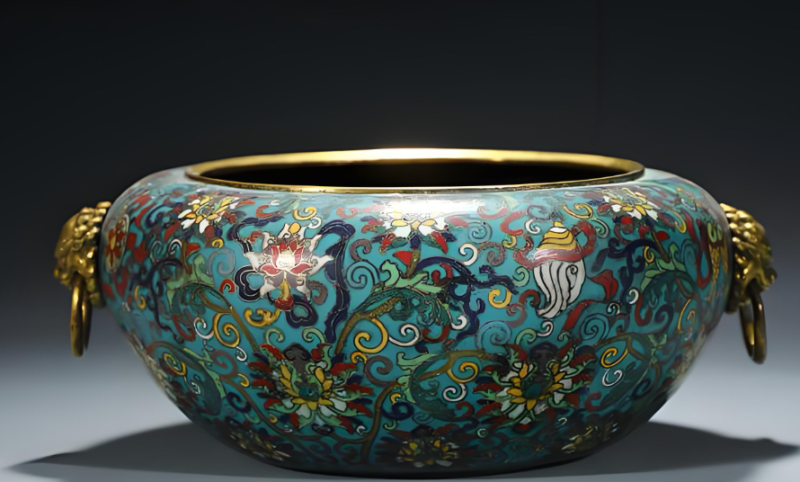
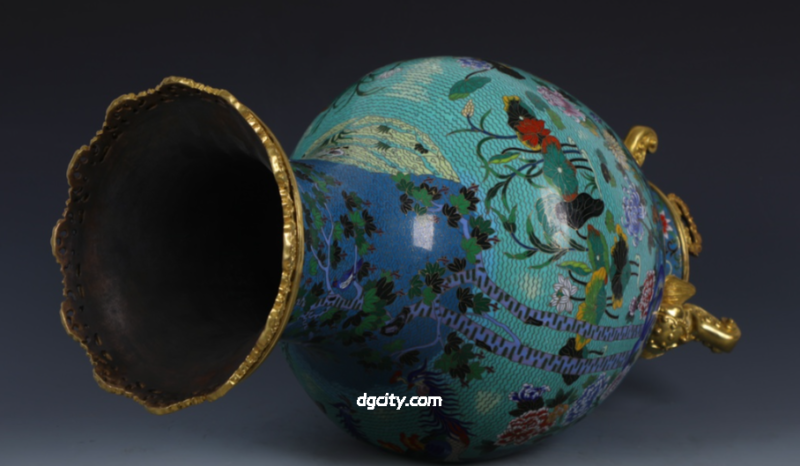
From the perspective of art and folk customs, this integration is even more vivid. Palace-level arts such as Peking Opera and cloisonné are the crystallization of royal aesthetics and craftsman spirit. As the “national essence” of China, Peking Opera interprets joys and sorrows through stylized expressions of singing, reciting, acting, and fighting, and the facial masks of sheng, dan, jing, and chou contain the nation’s value judgments. Cloisonné, ranking first among the “Eight Great Arts of Beijing”, is meticulously crafted through dozens of processes. The gorgeous texture of copper-body cloisonné enamel is the pinnacle of court craftsmanship. Meanwhile, the sour aroma of fermented mung bean milk with fried dough rings and the naive charm of Rabbit God Figurine bring Culture back to daily life. The unique flavor of fermented mung bean milk is a taste memory of old Beijingers, testing everyone who understands the city. As a folk symbol of mid-autumn moon worship, the Rabbit God Figurine is not only a toy for children but also carries the blessing wishes of ordinary people.
These diverse cultural symbols together forge Beijing’s unique temperament of “blending the ancient and the modern, integrating Chinese and Western elements”. From the chessboard pattern of the Yuan Dadu to the skyscrapers of the modern city, from the old Beijing dialect in hutongs to the international multi-dimensional expression, Beijing has never severed its history, but innovated in inheritance and developed in inclusiveness. Imperial majesty and civilian warmth, adherence to tradition and modern exploration, Oriental heritage and Western compatibility nourish each other and complement each other. This makes Beijing’s cultural symbols not only have a profound historical accumulation but also a vivid contemporary vitality, becoming an important key to understanding China.

暂无评论内容