




When you set foot in Shanghai, if you want to understand the past and present of this city in the shortest time, The Bund is undoubtedly the best starting point. This 1.5-kilometer-long riverside avenue is located on the bank of the Huangpu River in Huangpu District, Shanghai, stretching from Waibaidu Bridge in the north to East Yan’an Road in the south. Facing the surging Huangpu River in the east and adjacent to the row upon row of “International Architecture Exhibition Group” in the west, it is not only a microcosm of Shanghai’s century-old history, but also the most dazzling business card of this international metropolis, and a core scenic spot that foreign tourists must visit when coming to Shanghai.
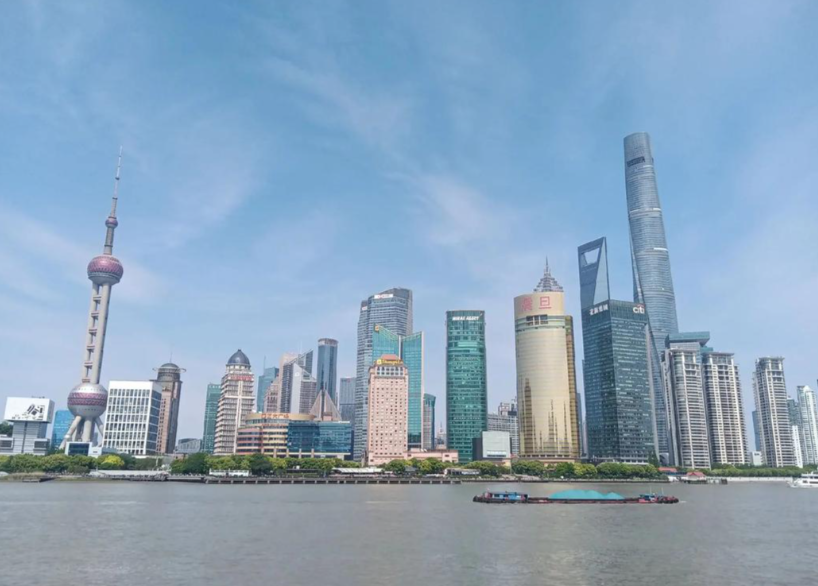
The soul of The Bund lies in the 52 distinctive classical revival buildings on its west side, known as the “International Architecture Exhibition Group”. Each building carries a unique history, telling the vicissitudes and glory of Shanghai since modern times. The architectural styles here are diverse, covering Western classicism, Renaissance, Art Deco, eclecticism and many other schools. From the late 19th century to the 1930s, architects from various countries displayed their talents here, making The Bund an open-air architectural Museum.
Strolling along the riverside walkway of The Bund, you can appreciate the unique charm of these buildings one by one. Waibaidu Bridge at the northern end is the iconic starting point of The Bund. Completed in 1907, this steel-structured bridge connects The Bund with North Bund. It is not only the first all-steel riveted bridge in Shanghai, but also a filming location for many classic film and television dramas. Standing on the bridge, you can not only look back at the classical buildings of The Bund, but also overlook the modern skyscrapers in Pudong, a blend of ancient and modern scenes that is intoxicating. Adjacent to Waibaidu Bridge is Asia Building at No. 1 The Bund, a neoclassical building known as the “First Building on The Bund”. Its simple and elegant facade and exquisite reliefs show the luxury and elegance of a hundred years ago.
Continuing southward, Shanghai Club Building at No. 2, Commercial bank of China Building at No. 6, HSBC Building at No. 12, Customs House at No. 13, Peace Hotel at No. 20, etc., each has its own characteristics. Among them, the clock tower of the Customs House is the most striking. Its bell, modeled after Big Ben in London, UK, rings the melody of “Oriental Red” on time every day, echoing over the Huangpu River, becoming a collective memory of several generations of Shanghainese and an important symbol for foreign tourists to identify The Bund. Peace Hotel is famous for its iconic green copper roof and Art Deco style. Its interior decoration is luxurious and elegant, still retaining the style of a hundred years ago. Having an afternoon tea here, you can seem to travel back to the “golden age” of Shanghai. It is worth mentioning that the HSBC Building at No. 12 The Bund was once hailed as “the most luxurious building from the Suez Canal to the Bering Strait”. Its magnificent dome and exquisite mosaic murals show the glorious status of Shanghai as a financial center in the Far East at that time.
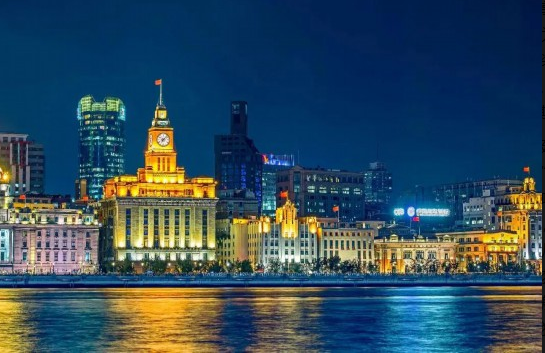
In addition to the stunning buildings, the river view of The Bund is also unforgettable. The Huangpu River on the east meanders, dividing Shanghai into Puxi and Pudong banks, forming a unique landscape of “one side is a hundred years of classics, the other side is modern prosperity”. During the day, the sun shines on the river, sParkling, and the Lujiazui Financial District on the opposite bank is clearly visible. Skyscrapers such as Oriental Pearl TV Tower, Shanghai Tower and Jinmao Tower stand in rows, reaching into the sky, showing the vitality and momentum of Shanghai’s modern city; in the evening, the sun sets, the sunset glows red in the sky, and the buildings on The Bund gradually light up. From warm yellow lights to bright neon lights, each building is outlined with beautiful contours, reflecting each other with the reflection on the river, as beautiful as a dream; at night, when the whole city is bathed in brilliant lights, the night view of The Bund reaches its peak. The lights on both banks are bright, and the river breeze blows gently. Taking a cruise to tour the Huangpu River at night, shuttling between ancient and modern buildings, you can not only appreciate the classical beauty of The Bund, but also feel the modern light of Lujiazui. This unique experience will surely be unforgettable for you.
For foreign tourists, The Bund is not only a scenic spot, but also a good place to experience Shanghai’s Culture and local life. The surrounding area of The Bund is convenient in transportation, adjacent to popular scenic spots such as Nanjing Road Pedestrian Street, Yu Garden and City God Temple. After visiting The Bund, you can walk to Nanjing Road Pedestrian Street for shopping, feeling the commercial vitality of Shanghai. It gathers many time-honored shops and international brands, where you can buy characteristic handicrafts and taste local food; you can also take the Subway or ferry to Yu Garden and City God Temple, experience the elegance of Jiangnan classical gardens, and taste Shanghai’s characteristic snacks such as xiaolongbao and shengjianbao.
To make your trip to The Bund smoother, here are some practical tips for you. The best visiting time is divided into three periods: 9 am to 11 am, with fewer tourists and suitable light, which is ideal for taking photos and experiencing the tranquility and solemnity of The Bund; 4 pm to 6 pm, you can enjoy the beautiful scenery of the sunset and witness the gradual change of The Bund from day to night; 7 pm to 9 pm is the best time to enjoy the night view, with bright lights and a romantic atmosphere. In terms of transportation, you can take Metro Line 2 or Line 10, get off at East Nanjing Road Station, and walk for about 10 minutes to reach it; you can also take a bus, with many routes directly to The Bund; if you choose to take a taxi, just tell the driver “The Bund”, which is very convenient.
In addition, the riverside walkway of The Bund is open to the public free of charge 24 hours a day, but you need to pay attention to safety when visiting at night. The wind by the river is relatively strong, so it is recommended to prepare a thin coat; when taking photos, you can choose locations such as Waibaidu Bridge, the gate of Peace Hotel and the front of Customs House, where you can not only take the whole view of the buildings, but also capture the beautiful scenery of the Huangpu River and Lujiazui.
The Bund has witnessed the century-old changes of Shanghai and carries the memories and dreams of this city. It has both the profound heritage of classical architecture and the bright vitality of a modern city. Whether you are an architecture enthusiast, a photography enthusiast, or simply want to feel the charm of Shanghai, this place can meet your expectations. When you come to Shanghai, you must slow down, stroll along the riverside walkway of The Bund, blow the wind of the Huangpu River, look at the scenery on both banks, understand the century-old elegance and modern splendor of this city, and let this trip to The Bund become the most precious memory of your trip to Shanghai.



暂无评论内容