




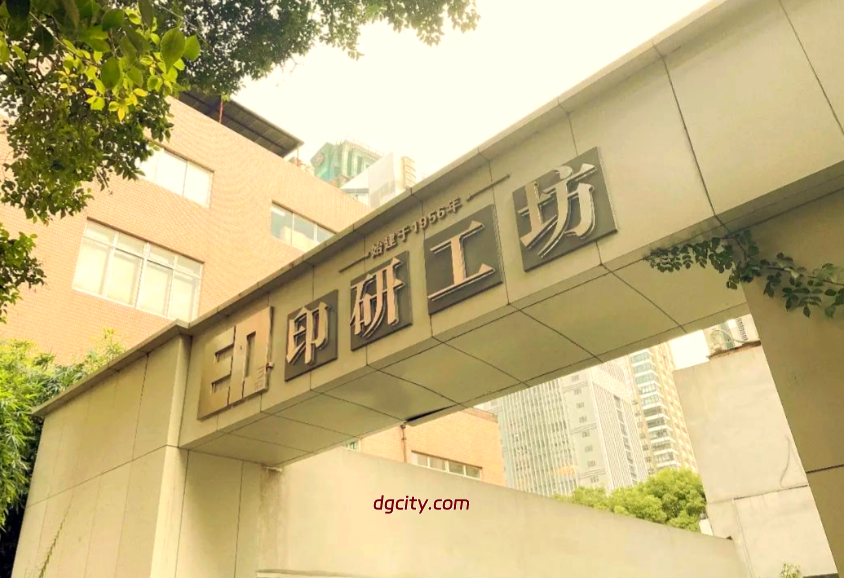
In Shanghai, a city that blends modern prosperity with historical heritage, most people are fascinated by the modernity of the Bund and the elegance of Yu Garden, but overlook a niche secret hidden in an old villa — Shanghai Printing Type Museum. Tucked away in an alley on Xinzha Road in Jing’an District, it is located in the Yin Yan Workshop Park founded in 1956. Without the hustle and bustle of crowds or excessive commercial packaging, it is filled with the fragrance of ink and the flow of fonts. As the birthplace of modern Chinese character printing fonts, it gave birth to the four classic printing fonts: Song, Hei, Fangsong and Kai, carrying the centuries-old ingenuity and changes of Chinese character printing, and becoming an excellent window for foreign tourists to immerse themselves in Chinese character aesthetics and understand printing Culture. Here, you can touch ancient printing tools, watch the evolution of Chinese character fonts, listen to the ingenuity stories of intangible cultural heritage inheritors, and a slow trip will let you encounter the Oriental aesthetics and historical depth behind Chinese character printing.
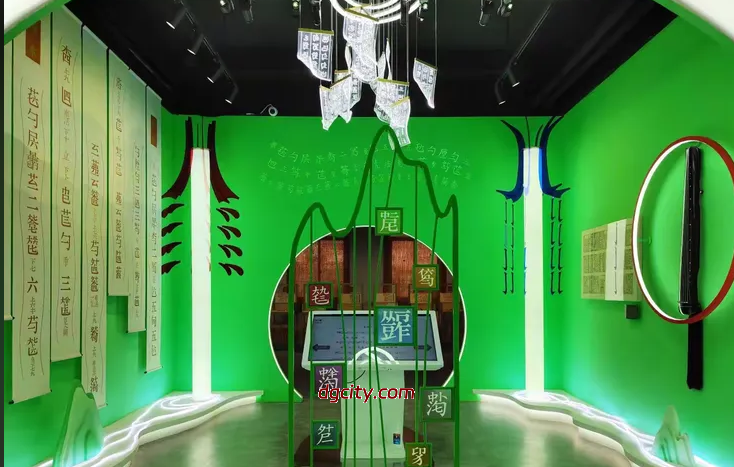
Shanghai Printing Type Museum is located at No. 60, Lane 1209, Xinzha Road, Jing’an District. Situated in the core urban area of Shanghai, it is surrounded by old villa complexes, with both cultural atmosphere and convenient transportation. It is a nationally recognized niche cultural exhibition hall, open to the public free of charge with advance reservation. No ticket fees are required; you only need to make a simple reservation through official channels to start a journey of Chinese character printing Culture. Tracing its history, the predecessor of the exhibition hall was the Shanghai Printing Industry Company Laboratory established in 1956. It was renamed Shanghai Printing Research Institute in 1961 and Shanghai Printing Technology Research Institute in 1965. It is not only an important position for Chinese printing technology research, but also the birthplace of the four classic modern printing fonts — the Song, Hei, Fangsong and Kai fonts we see today in books, newspapers and advertisements all originate here. Around 2020, Shanghai Printing Group renovated the Yin Yan Workshop Park, moved it back to its original site on Xinzha Road, and built a printing type exhibition hall open to the public, divided into two areas: “Type Museum” and “Intangible cultural heritage Museum”, which completely preserves the historical relics of printing Culture and has become a hidden cultural landmark in Shanghai.
For foreign tourists, the most attractive feature of the exhibition hall is the ingenuity of Chinese character printing spanning more than half a century, as well as the tangible and perceptible cultural experience. Entering the Park, the first thing that catches the eye are two simple signs: “Birthplace of Modern Chinese Character Printing Fonts” and “Shanghai Printing Type Museum”. The house number at the alley entrance has been renovated, but still retains the charm of old Shanghai. The buildings in the park have both the elegance of old villas and integrated modern minimalist design, showing the integration of culture and time at every step. The most iconic feature of the exhibition hall is the rotating escalator that carries the memory of time. As early as 1964, several young printing researchers took a photo here. Today, the wall of the escalator has been turned into an intangible cultural heritage inheritor wall, with photos of 23 intangible cultural heritage inheritors climbing up the stairs, silently telling the inheritance and persistence of Chinese character printing technology. Foreign tourists can stop here to learn about the ingenuity stories of each inheritor and feel the vitality of intangible cultural heritage technology.
The “Type Museum” is the core area of the exhibition hall, which systematically displays the origin and development of Chinese character printing fonts. From ancient oracle bone inscriptions and bronze inscriptions, to the invention of movable type printing, and then to the birth and evolution of the four modern printing fonts, each period has detailed exhibits and text introductions (with English explanations), allowing foreign tourists to clearly understand the development context of Chinese character printing. The exhibition hall houses a large number of original font manuscripts, design sketches and movable type templates, among which the most precious are the original design manuscripts of the four classic printing fonts. On the yellowed paper, there are dense marks about the strokes and structure adjustments of the fonts, witnessing the ingenuity of the designers. In addition, there is an interactive experience area in the exhibition hall. Foreign tourists can personally touch movable type templates of different materials, feel the dignity of Song type, the thickness of Hei type, the elegance of Fangsong type and the gentleness of Kai type. They can also experience simple movable type printing technology, print a work with Chinese characters by themselves, and take this unique cultural memory home.
Adjacent to the “Type Museum”, the “Intangible Cultural Heritage Museum” focuses on the intangible cultural heritage inheritance of printing technology. Here, it displays the tools and processes of various ancient printing technologies such as traditional movable type printing and woodblock printing, including woodblocks, ink, brushes and rice paper. Foreign tourists can closely observe intangible cultural heritage inheritors demonstrating printing technology on site, watching how they accurately carve Chinese characters on woodblocks, how to mix ink, evenly brush ink, lay paper and press. Every movement is skilled and rigorous, showing ingenuity. The inheritors will also patiently explain the skills and difficulties of printing technology to foreign tourists, answer questions about Chinese character fonts and printing processes, allowing foreign tourists to not only watch, but also deeply understand the essence of China’s ancient printing technology. In addition, the Intangible Cultural Heritage Museum also displays many printing masterpieces, from reprints of classical books to modern creative printing works, covering different styles and themes, allowing foreign tourists to feel the diversity and artistry of printing technology.
In addition to rich exhibits and interactive experiences, the exhibition hall also has a cultural and creative area and a rest area. The cultural and creative area sells various cultural and creative products related to Chinese characters and printing, including font bookmarks, movable type keychains, printing-themed notebooks and creative posters, which are simple and elegant in design, with both practicality and commemorative significance. Foreign tourists can choose their favorite cultural and creative products here as souvenirs of their trip to Shanghai. The rest area is equipped with comfortable seats and provides free drinking water. Foreign tourists can rest here for a while, sort out photos, recall the visiting experience, or browse the Chinese and English brochures provided by the exhibition hall to further understand Chinese character printing culture. The staff in the exhibition hall are warm and friendly, most of them can communicate in simple English, providing foreign tourists with visit guidance, question answering and other services, making the visiting experience more convenient and comfortable.
For foreign tourists, it is very convenient to get to Shanghai Printing Type Museum by relying on Shanghai’s improved public transportation network. The most convenient way is to take the Subway. Take Metro Line 2 to West Nanjing Road Station, exit from Exit 1, walk for about 10 minutes to reach Lane 1209, Xinzha Road, and enter the Yin Yan Workshop Park to find the exhibition hall. You can also take Metro Line 7 to Changping Road Station, walk for about 15 minutes to arrive, and enjoy the old villa style of Jing’an District along the way, feeling the humanistic charm of old Shanghai. If you choose to travel by bus, you can take bus lines such as No. 20, No. 37 and No. 112 to Xinzha Road Taixing Road Station, and walk for 5 minutes to arrive. If you choose to drive by car, there are a few parking lots around the exhibition hall, making parking convenient, suitable for family trips or traveling with friends.
Foreign tourists need to know in advance about the precautions for the visit to ensure a smooth visit. The exhibition hall is open free of charge. The opening hours are 9:00-17:00 from Tuesday to Sunday (last admission at 16:30), and closed every Monday (except legal holidays). It is recommended that foreign tourists make an appointment through the official WeChat public account of the exhibition hall 1-3 days in advance. The appointment process is simple and no fees are required. After successful appointment, you can enter with the appointment code. During the visit, you need to keep quiet, no loud noise or chasing. Respect the work of intangible cultural heritage inheritors; most of the exhibits in the exhibition hall are relatively precious, so touching and carving are prohibited. Using flash when taking photos is prohibited to avoid damaging the exhibits; it is recommended that foreign tourists wear comfortable flat shoes, because the exhibition area is large and the whole visit requires walking; in addition, there is no catering service in the exhibition hall, so it is recommended that foreign tourists bring their own drinking water and a small amount of snacks in advance to avoid thirst and hunger on the way.
After visiting Shanghai Printing Type Museum, foreign tourists can also visit the surrounding niche scenic spots and start a cultural and leisure trip. Around the exhibition hall, on Xinzha Road and West Nanjing Road, there are many well-preserved old villa complexes with elegant architectural styles, full of the charm of old Shanghai. Foreign tourists can walk on the streets, appreciate the architectural beauty of old villas and feel the urban atmosphere of old Shanghai. There are also many niche cafes and bookstores around, decorated in a simple and elegant style, suitable for resting in a cafe after the visit, tasting a cup of coffee, and recalling the charm of Chinese character printing culture. You can also go to the nearby Jing’an Temple and Jing’an Park to feel the religious culture and natural beauty of Shanghai, and fully experience the diverse charm of Shanghai.
Shanghai Printing Type Museum is a cultural treasure hidden in an old villa. It has no modern hustle and bustle of the Bund, no crowded crowds of Yu Garden, but has the purest fragrance of Chinese characters and the persistence of ingenuity. It is not only a microcosm of Chinese printing culture, but also a window for cultural exchanges between China and foreign countries. Here, foreign tourists can cross language barriers, understand the aesthetics and charm of Chinese characters through fonts and printing technology, and feel the thickness and vitality of Chinese traditional culture. A short visit can not only let foreign tourists gain a unique cultural experience, but also let them take away an unforgettable memory of Chinese character printing, and understand that Shanghai, in addition to modern prosperity, has inherent humanistic heritage and ingenuity persistence.

暂无评论内容