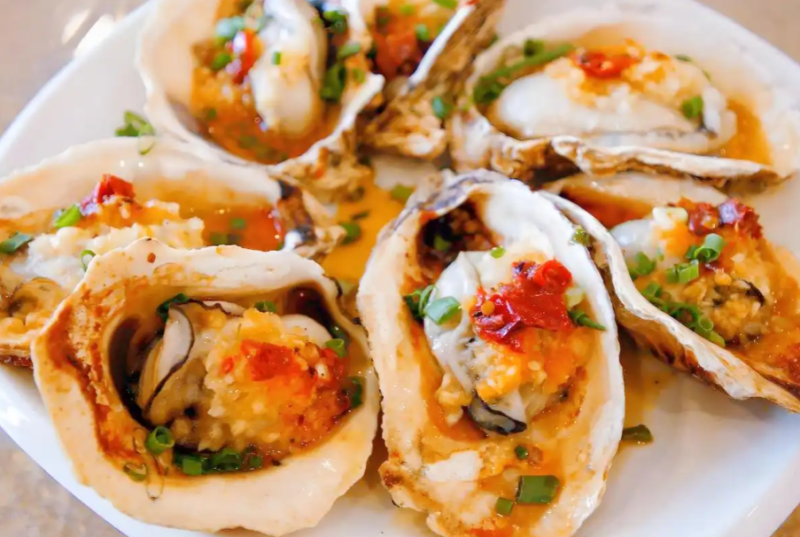





In Shenzhen, a modern metropolis booming with rapid development, lies Shajing Street in Bao’an District, a “Hometown of Oysters” carrying a thousand years of cultural heritage. The Shajing oysters produced here are not only a delicacy for the taste buds but also a vivid witness to Shenzhen’s transformation from a Coastal fishing village to an international city. From bamboo-stake oyster farming in the Northern Song Dynasty to today’s geographical indication product, Shajing oysters have brewed a unique marine flavor belonging to the Greater Bay Area over a millennium.
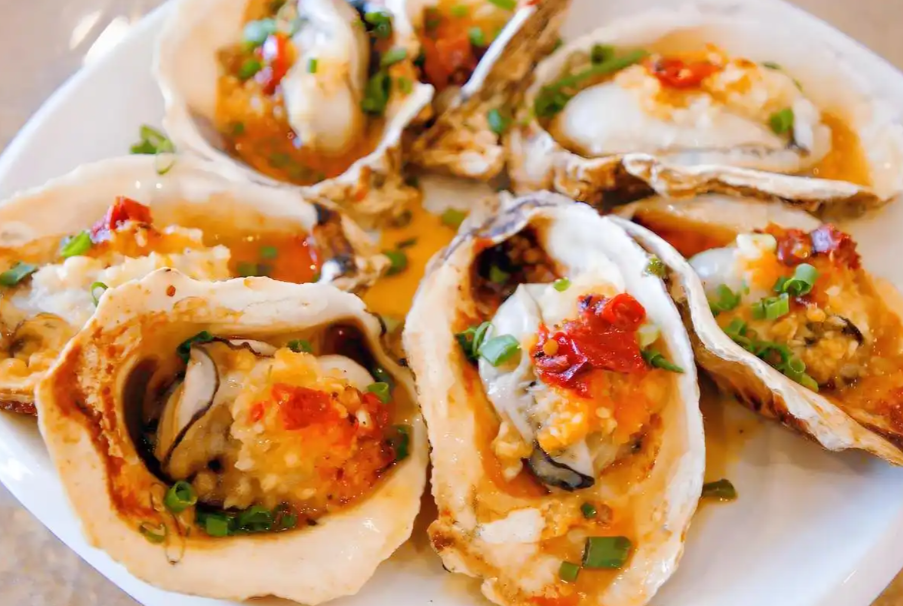
The legend of Shajing oysters originates from the unique natural endowments. The special waters where saltwater and freshwater meet at the Pearl River Estuary are rich in plankton, providing an ideal environment for oyster larvae growth. This gives Shajing oysters their distinctive qualities of being fat and juicy, milky white in color, tender without sand, and crisp in texture, earning them the reputation of “Shajing oysters with glass-like bellies”. Boasting extremely high nutritional value, their iodine content is 200 times that of milk and egg yolks, earning them the title of “Sea Milk”. As early as 1980, they won the “National Best Quality Award” from the Ministry of AgriCulture, Animal Husbandry and Fisheries, becoming a renowned local specialty nationwide.
Behind this delicacy lies a thousand years of inherited farming techniques and intangible cultural heritage. The poem by Mei Yaochen, a poet of the Northern Song Dynasty, “Serving as a minor official in the Coastal town, I’ve long heard of Guijing oysters” records the earliest written account of artificial oyster farming in Shajing, where “Guijing oysters” were the ancient name of Shajing oysters. During the Ming and Qing dynasties, the oyster industry flourished. In the Wanli period of the Ming Dynasty, oyster farmers innovatively invented a new farming method using ceramic tiles as attachments, greatly improving farming efficiency and quality. After the founding of the People’s Republic of China, an oyster farming cooperative was established in Shajing, which successively won honors such as “Model Cooperative” and “Certificate of Merit from the State Council”, witnessing the glory of collective farming.
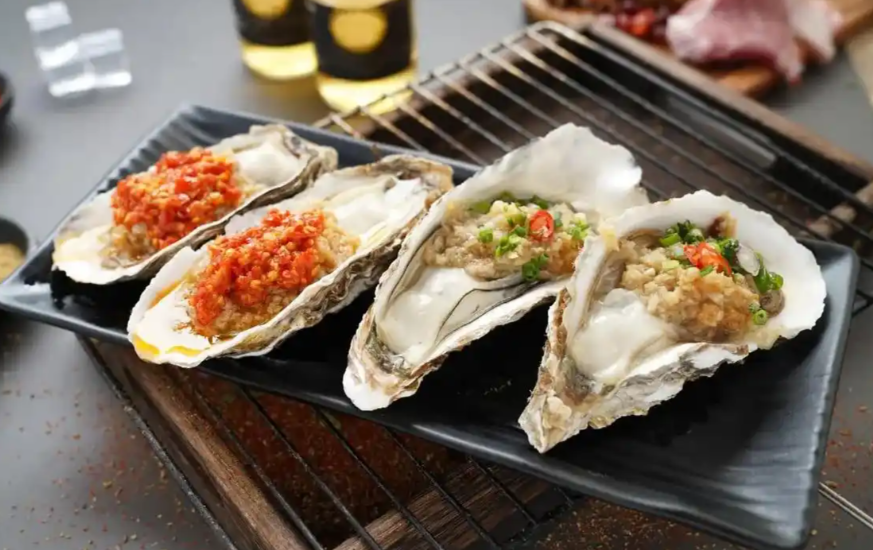
As time changes, the Shajing oyster industry has undergone transformation while adhering to craftsmanship. In the 1980s, in response to water quality changes, oyster farmers took the lead in adopting raft Culture technology to cultivate high-quality oyster meat free of mud flavor. They further launched an off-site farming model, establishing breeding bases in Yangjiang, Taishan, Huidong and other places. This initiative was praised as “a miracle in the history of Guangdong’s aquatic products”. Today, the oyster farming customs of Shajing have been included in municipal and provincial intangible cultural heritage lists. The complete process from oyster seeding, arranging, moving to opening, as well as unique customs such as working according to tides, building walls with oyster shells, and offering sacrifices for blessings, all tell the cultural heritage of the oyster hometown.
Tasting Shajing oysters is equivalent to touching the soul of the oyster hometown. The most classic roasted Shajing oysters, grilled over charcoal fire, are sweet and juicy. Served with minced garlic or chili salt, they are fragrant. Pan-fried golden oysters offer another flavor: steamed first and then pan-fried until golden on both sides, coated with thick sauce, they make an excellent appetizer with wine. The warm and nourishing oyster congee is a perfect delicacy for autumn and winter. Simmering fresh oysters with dried shrimps and scallops, the congee absorbs the full marine flavor, tasting smooth and sweet. In addition, dried oysters and oyster sauce processed from Shajing oysters are the essence of Cantonese cuisine seasoning, selling well at home and abroad.
The annual Shajing Golden Oyster food and Folk Culture Festival at the end of each year is an excellent opportunity to experience oyster culture. Since 2004, this grand event has gathered various oyster-based delicacies and folk performances, allowing tourists to enjoy delicious food while feeling the vitality of the millennium-old oyster hometown. From the fishing wisdom of the Northern Song Dynasty to today’s industrial upgrading, Shajing oysters have long surpassed being just food, becoming a unique business card of Shenzhen’s culture, waiting for every visitor from afar to taste this marine gift across time.





暂无评论内容