




In the brilliant galaxy of Cantonese cuisine, Roast goose has always occupied a pivotal position, enjoying the reputation of “Roast duck in the north, roast goose in the south”. In Gongming Street, Guangming District, Shenzhen, this traditional Cantonese delicacy has been endowed with unique urban memories, becoming a member of the “Three Treasures of Guangming” with profound historical heritage — Gongming Roast Goose. Since its creation by Mr. Chen Abao in 1939, this delicacy has undergone nearly a century of precipitation, thriving in the adherence to ancient methods and technological innovation. It not only carries the craftsmanship spirit of Lingnan cuisine but also witnesses Shenzhen’s transformation from a village to a metropolis, becoming a must-try delicacy for foreign travelers exploring Cantonese flavors and local Culture.
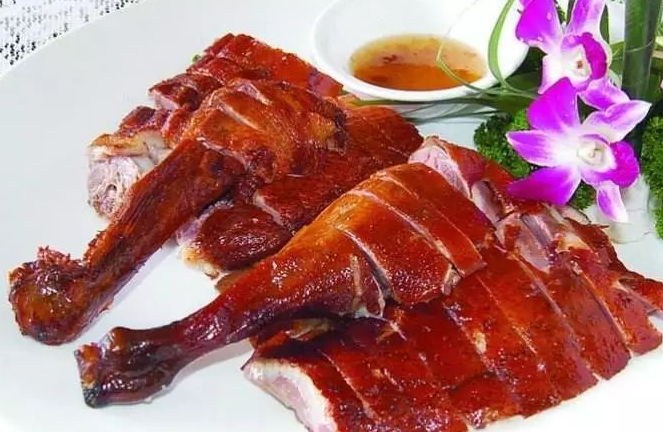
The birth of Gongming Roast goose stems from a folk legend full of culinary charm. In the 28th year of the Republic of China (1939), Chen Abao, a villager from Shangcun in Gongming, founded the precedent of Gongming Roast Goose with his exquisite skills. At that time, Gongming had vast grasslands and clear water sources, providing favorable natural conditions for goose breeding and laying a high-quality ingredient foundation for this delicacy. Chen Abao integrated the marinating secrets and roasting techniques he had explored over the years, and the roasted goose he made was famous for its crispy skin, tender meat and rich aroma, quickly gaining popularity in Guangdong, Hong Kong and Macao. Later, this craft was passed down to his son Chen Shuide (nicknamed Pendou), who inherited his father’s career and strived for excellence, making Gongming Roast Goose deeply rooted in people’s hearts with its reputation of being high-quality and affordable, becoming an indispensable dish in local banquets and daily diets.
The birth of ultimate flavor is inseparable from the strict adherence from material selection to roasting. Gongming Roast goose has almost harsh requirements for ingredients. In traditional practices, high-quality goose seedlings that are about 100 days old and weigh about 3 kilograms are selected. At this stage, the goose meat is tender without being tough, with uniform fat distribution. The selected geese need to undergo about 20 days of captive “fattening”, placed in a dark and quiet place, fed only with rice and clear water, to make the meat more sweet and firm. The processing link is also exquisite. After killing and plucking the goose, mix honey with water and pour it into the goose body, then blow air with a bamboo tube to tighten the goose skin, then remove the internal organs, stuff with various ingredients such as granulated sugar, salt, southern milk, red dates, star anise and ginger juice, tie tightly with cotton thread to shape, and finally evenly apply honey on the skin to lay the foundation for the golden color and crispy texture of the roasted goose.
The roasting process is the soul of Gongming Roast Goose and the core code of a century-old inheritance. Initially, Chen Abao used a pottery vat as an oven, drilling a hole half a foot above the bottom of the vat to observe the fire, hanging the processed goose inside and roasting it slowly over charcoal fire. This ancient oven allows heat to penetrate evenly, and the warm aroma of charcoal fire blends with the freshness of goose meat. Roasting for about 40 minutes (divided into two times: 20 minutes for the first time to dry the water, 15-20 minutes for the second time to absorb flavor and color) can create a delicacy. After the 1990s, to adapt to large-scale operation and hygiene standards, pottery vat ovens were gradually replaced by stainless steel ovens. This kind of oven absorbs heat quickly and is heated evenly, capable of roasting multiple geese at the same time, and can retain the traditional flavor to the greatest extent. However, some old craftsmen still insist on roasting with pottery vats to restore the most authentic ancient taste.
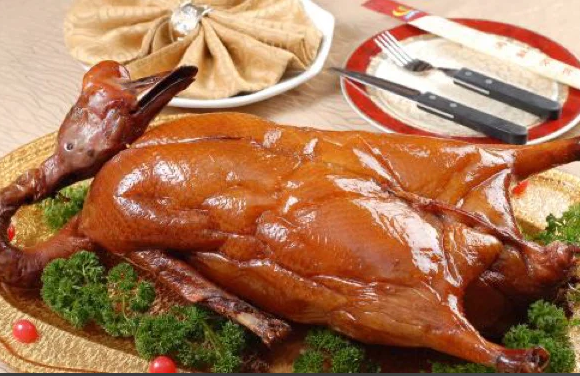
Over the past century, Gongming Roast Goose has not only maintained the essence of ancient methods but also continuously innovated in the tide of the times. In 1952, Gongming Roast Goose was rated as a famous brand specialty at the National Economic and Material Exchange Conference, establishing its national popularity. Today, a new generation of practitioners has made innovations on the basis of traditional craftsmanship. For example, the “Smoked Dried Tangerine Peel Glass Crispy Roast Goose” created by Dingfeng Hong Kong Tea Restaurant integrates aged dried tangerine peel smoking technology, which removes fishiness and enhances aroma while enriching the taste level, making this traditional delicacy more suitable for modern diners’ needs. Although most of the ancestral secret recipes have been lost, with their research and adherence to skills, Gongming people have kept Gongming Roast Goose’s unique flavor characteristics, making it one of the iconic representatives of Cantonese roasted meat.
Tasting Gongming Roast Goose also has a unique ritual sense and taste experience. The just-out-of-the-oven roasted goose is golden and bright, with skin as thin as cicada wings. A light bite makes a crisp sound, and the aroma of oil bursts instantly. The meat is fat but not greasy, fully absorbing the aroma of ingredients and charcoal fire, tender and juicy in every bite with a long aftertaste. It is served with plum sauce, and the sweet and sour taste can neutralize the richness of oil, making the flavor more refreshing. Today, Gongming Roast Goose can be found in time-honored restaurants and Hong Kong-style tea restaurants in Guangming District. For foreign travelers, this delicacy is not only a taste enjoyment but also allows people to understand the craftsmanship of Lingnan cuisine and the historical precipitation of Shenzhen’s local area between the lingering fragrance of lips and teeth, and feel the unique charm of the collision between tradition and modernity.






暂无评论内容