




At the junction of saltwater and freshwater in the western Helan Sea Area of the Pearl River Estuary, located in Fuyong Sub-district, Bao’an District, Shenzhen, there grows a delicacy known as the “gem of marine fresh ingredients” — Fuyong Mullet. Also called “Xinyu” (new fish), this seafood delicacy carrying the generational memories of Fuyong fishermen has become an iconic symbol of Bao’an’s seafood catering Culture, thanks to its tender meat with few bones and natural sweetness. From a home-cooked dish on fishermen’s tables in the past to a famous specialty renowned in Guangdong, Hong Kong and Macao today, Fuyong Mullet tells the geographical gifts and cultural precipitation of Shenzhen’s western Coast with its delicious taste, and has become a must-try for foreign travelers exploring the original flavor of Cantonese seafood.
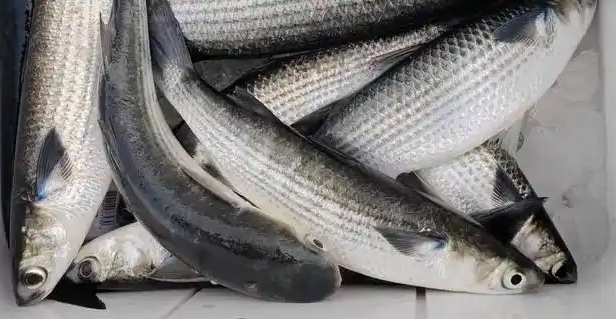
The unique flavor of Fuyong Mullet originates from its advantageous growing environment. The special waters where saltwater and freshwater meet at the Pearl River Estuary are rich in plankton and have mild water quality, providing an excellent habitat for mullets. The moderate salinity here, combining the freshness of seawater and the tenderness of freshwater, allows Fuyong Mullet to accumulate abundant umami substances during growth. Different from the heavy taste of deep-sea fish, Fuyong Mullet mostly inhabits around crab holes, sea ridges and oyster ponds, feeding on small shrimps, crabs and plankton. Its meat has a natural sweetness without the fishy taste of marine fish. In addition, it has a small and round body, weighing no more than 250 grams, with only one main spine, featuring more meat and fewer bones, making it easy to eat for both the elderly and children.
As an important representative of Fuyong’s fishery industry, mullet has long been integrated into the local industrial context and daily life. In the early years, Fuyong fishermen made a living by inshore fishing. Due to its stable output and delicious taste, Fuyong Mullet became a regular dish on every household’s table. With the development of fishery technology, Fuyong people carried out mixed breeding of mullet with oysters, crabs and other aquatic products in reclaimed tidal flat areas, which not only retained its wild flavor but also achieved large-scale production, making this delicacy gradually spread beyond Bao’an and become one of the local main foreign exchange-earning aquatic products. Today, in Fuyong Seafood Market, Fisherman’s Wharf and other places, fresh caught or farmed Fuyong Mullet is always a “star ingredient” at stalls, attracting a steady stream of diners who come to taste the authentic freshness from the brackish water junction.
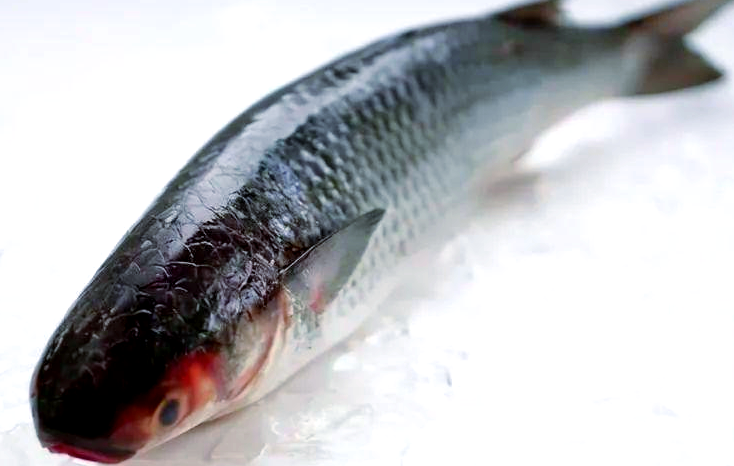
Cantonese cuisine emphasizes “respecting freshness”, and the cooking methods of Fuyong Mullet give full play to this concept. The most classic steamed method can maximize the tender texture of the fish meat: select fresh Fuyong Mullet, clean it, marinate with a little salt and ginger slices for ten minutes to remove fishiness, steam it in a pot for 8 to 10 minutes, pour hot oil and light soy sauce after taking it out of the pot, and sprinkle with chopped green onions. The steamed Fuyong Mullet has white and delicate meat that melts in the mouth, with sweet juice bursting in the mouth, allowing you to taste the gift of the ocean in every bite. In addition to steaming, pan-frying is also a popular method. Pat the fish dry, coat with a thin layer of flour, fry until golden on both sides, with a crispy outer skin and tender inner flesh. Served with salt and pepper or lemon juice, it has a richer flavor.
With the innovation of catering Culture, Fuyong Mullet has derived more special eating methods. Frozen Mullet with Fresh Lemon is an innovative dish with both flavor and appearance. Steam the marinated mullet, let it cool, and serve with sauce made of lemon zest, lemon juice and sugar. The sweet and sour taste can neutralize the tenderness of the fish meat and highlight its sweetness, making it a refreshing delicacy on the summer table. In addition, Fuyong Mullet can also be used to make soup and porridge. Matched with winter melon, tofu, dried shrimps and other ingredients, the soup is rich and sweet, combining nutrition and flavor, making it an excellent choice for Cantonese health-preserving diet. Whether it is traditional or innovative cooking, Fuyong Mullet can rely on its own fresh characteristics to create a variety of delicious dishes on the tip of the tongue.
To deeply experience the charm of Fuyong Mullet, you may wish to attend the Shuangfu Seafood Food Culture Festival in Bao’an. This grand event gathering local characteristic seafood allows diners to taste various flavors of Fuyong Mullet in one stop. At Fuyong Fisherman’s Wharf, you can not only choose fresh Fuyong Mullet by yourself and have it cooked immediately in nearby restaurants but also enjoy the Coastal scenery and feel the fireworks of fisherman culture. For foreign travelers, Fuyong Mullet is not only a seafood delicacy but also a key to understanding the geographical advantages and dietary wisdom of Shenzhen’s western Coast in the sweet taste, experiencing the unique charm of Cantonese seafood culture, and leaving an unforgettable culinary memory.







暂无评论内容