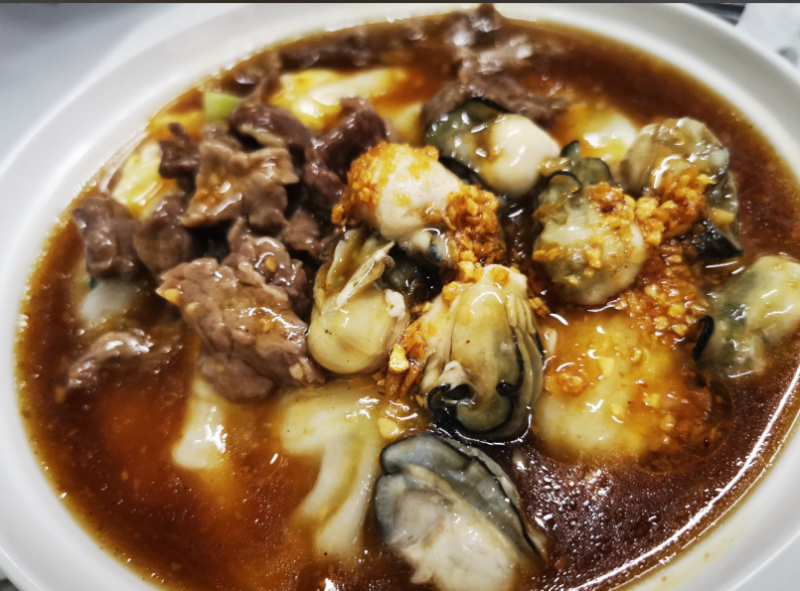





In the early morning of Shenzhen, the faint aroma of rice drifts from rice noodle roll shops on every street corner. This traditional snack originating from Lingnan has long integrated into the city’s daily life, becoming an indispensable delicacy on Shenzheners’ breakfast tables. Different from the exquisite Cantonese rice noodle rolls in Guangzhou, Shenzhen’s version not only inherits Cantonese essence but also absorbs the dietary preferences of Hakka, Chaoshan and immigrants from all over the country, evolving a unique flavor that combines traditional heritage with urban vitality. From unnamed stalls in old alleys to standardized products in chain stores, Shenzhen rice noodle rolls, with their tender texture and rich fillings, carry the city’s inclusiveness and warmth, and serve as an excellent entry point for foreign travelers to explore Cantonese morning tea Culture and experience local life.
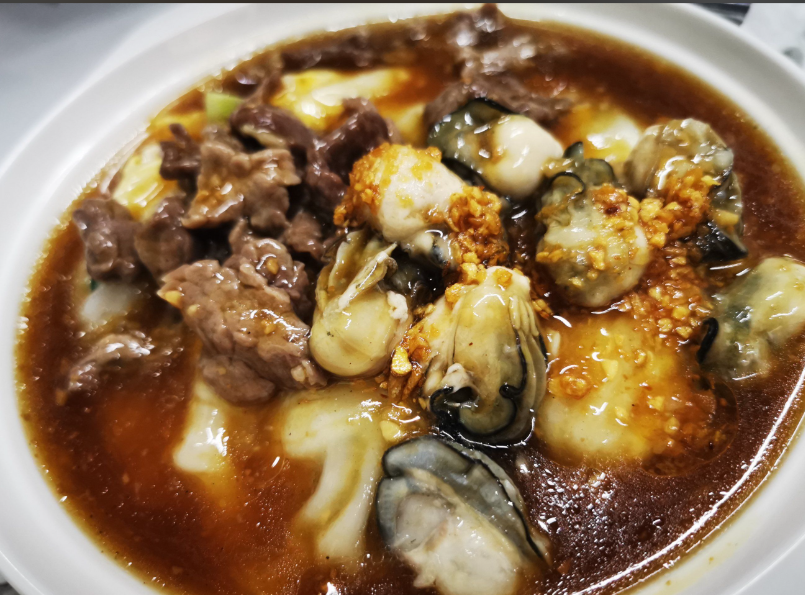
The origin of Shenzhen rice noodle rolls can be traced back to the thousand-year-old rice food Culture in Lingnan. Historically known as “Longkan Ci”, rice noodle rolls were first recorded in Tang Dynasty documents. Initially made by steaming rice batter and served only with simple sauce, they were affordable food for ordinary people. With population migration and cultural integration, the craftsmanship of making rice noodle rolls gradually spread to various parts of the Pearl River Delta, forming different schools. In the 1980s, as a frontier of reform and opening-up, Shenzhen attracted a large number of immigrants from all over Guangdong and the country. Rice noodle roll chefs from Guangzhou, Chaoshan and Hakka areas opened shops here one after another, integrating their own production techniques and taste preferences, allowing Shenzhen rice noodle rolls to break out of a single style and form a pattern of diverse coexistence. Today, Shenzhen rice noodle rolls are not only a breakfast option but also a cultural symbol, witnessing the city’s rapid development and cultural integration.
The ultimate rice noodle roll starts with strict control of rice batter, which is the core secret of maintaining the tender texture of Shenzhen rice noodle rolls. traditional Shenzhen rice noodle rolls use early indica rice harvested in the current year, soaked in clean water for 4-6 hours. After the rice grains are fully hydrated, they are ground into fine rice batter with an appropriate amount of water in proportion. After filtering out the coarse residue, the batter is left to ferment for 30 minutes to fully release the rice aroma. The fermented rice batter has a moderate thickness. A spoonful of batter is poured onto a steaming plate brushed with peanut oil, and gently shaken to spread the batter evenly, with the thickness controlled at the millimeter level. This step tests the chef’s skill most: too thick will make the texture hard, while too thin will easily break. High heat is used for quick steaming, strictly controlled at about 90 seconds. The high temperature quickly solidifies the rice batter, forming a thin, translucent and flexible rice noodle roll skin, which still has a faint sweet aftertaste of rice when bitten.
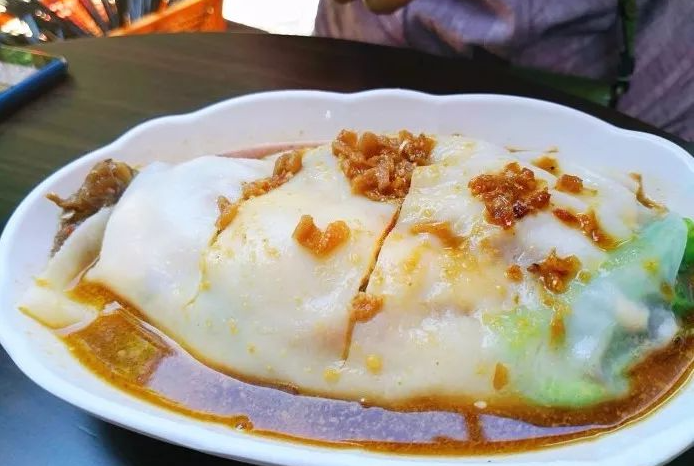
Rich fillings are a distinctive feature that distinguishes Shenzhen rice noodle rolls from other schools, highlighting the city’s inclusiveness. Classic Cantonese savory fillings are inherited here, with fresh shrimp, beef, minced pork and eggs being the most popular combinations. After spreading the rice batter, the chef evenly lays the fillings. After steaming, the fresh shrimp is sweet and bouncy, and the beef is tender and flavorful, forming a wonderful contrast with the soft rice noodle roll skin. At the same time, Shenzhen rice noodle rolls have absorbed the mellow flavor of Hakka cuisine, launching fillings such as shiitake mushroom and pork, preserved vegetable and braised pork, which are rich in savory flavor and more filling. Chaoshan-style rice noodle rolls have brought innovations of fish sauce seasoning and seafood fillings, making the flavor more vivid. In addition, to meet the needs of different diners, Shenzhen rice noodle rolls have also derived a sweet school, using mango, durian, shredded coconut, crushed peanuts, etc. as fillings, which are sweet but not greasy, satisfying the taste buds of travelers who prefer sweet food.
The matching of sauce and side dishes is the finishing touch to the flavor of Shenzhen rice noodle rolls, and each shop has its own secret recipe. The traditional Cantonese sauce is based on light soy sauce, oyster sauce and rock sugar, simmered slowly with spices such as dried tangerine peel and star anise, with a salty, fresh and slightly sweet taste and just the right thickness. It can soak the rice noodle rolls without covering the original flavor of rice and fillings. Some shops add minced garlic and millet pepper to make spicy and sour sauce, adapting to the tastes of immigrants from Sichuan and Hunan; Chaoshan-style shops match fish sauce and satay sauce, with a unique flavor. After the rice noodle rolls are out of the steamer, the chef pours hot sauce, sprinkles chopped green onions, coriander and sesame seeds, and some also match side dishes such as sour radish and preserved mustard tuber, with a blend of sour and salty flavors, enriching the taste layers. When eating, there is no need to cut with chopsticks; roll up the rice noodle rolls with a spoon, and take them with fillings and sauce in one bite to enjoy their tenderness, freshness and aroma.
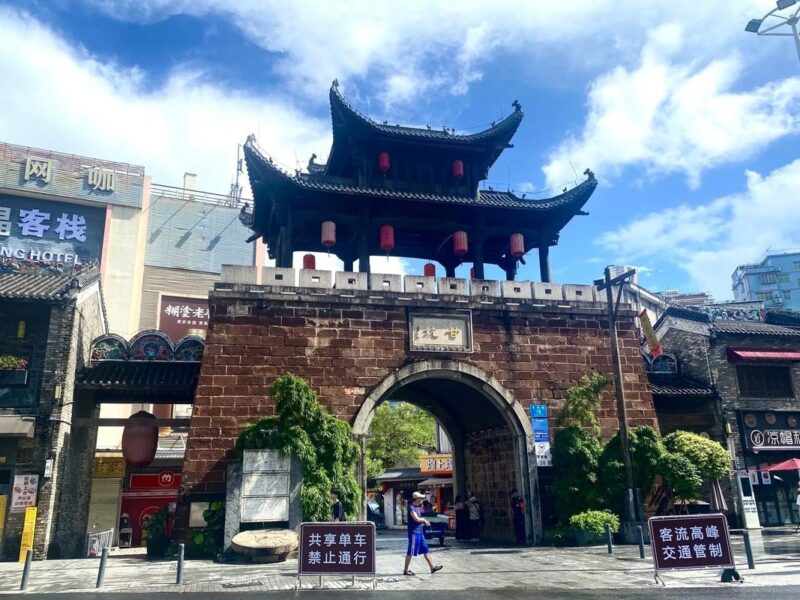
To taste the most authentic Shenzhen rice noodle rolls, time-honored stalls on the streets and old street business districts are the best choices. Dongmen Street, one of the most vibrant business districts in Shenzhen, hides many decades-old rice noodle roll shops. The chefs adhere to traditional craftsmanship, steaming rice noodle rolls with coal stoves, adding an ancient flavor to the fireworks. There is a long queue every morning, including local regular customers and foreign travelers who come specially. There are also many hidden gem rice noodle roll shops in Meilin Old Street in Futian District and Nantou Ancient City in Nanshan District, where you can taste classic savory rice noodle rolls as well as sweet and innovative flavors. In addition, Cantonese morning tea restaurants in Shenzhen also serve rice noodle rolls, paired with shrimp dumplings, siu mai, barbecued pork buns and other dim sums, allowing travelers to experience the richness of Cantonese morning tea in one stop.
For foreign travelers, tasting Shenzhen rice noodle rolls is not only a taste enjoyment but also an experience of in-depth local life. In the morning rice noodle roll shop, watch the chef skillfully shake the steaming plate, steam quickly and pour sauce, feeling the warmth of urban fireworks; queue up with local diners, listening to familiar Cantonese conversations, and immersively experiencing Shenzhen’s daily life. This seemingly simple snack hides the essence of Lingnan rice food Culture and the inclusive and open urban character of Shenzhen. Whether as a breakfast to awaken vitality or an afternoon tea to replenish energy, Shenzhen rice noodle rolls can leave an unforgettable taste memory for every traveler with their tender texture and diverse flavors.





暂无评论内容