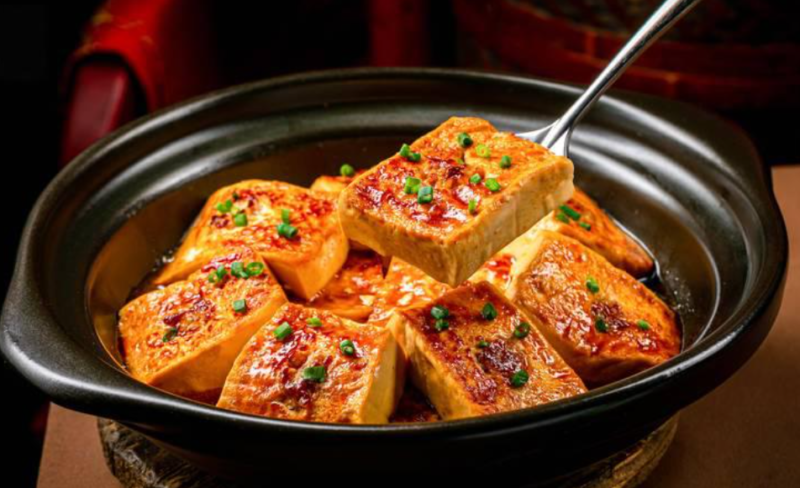





In Shenzhen’s Hakka villages and street restaurants, a delicacy carrying thousands of years of migration Culture always occupies the center of the table — Hakka Stuffed Tofu. As the “soul dish” of Hakka cuisine, this delicious combination of tofu and minced meat was brought to Lingnan by the migrating footsteps of the Hakka ancestors. It took root in the inclusive land of Shenzhen, retaining the essence of Central Plains cuisine while integrating the characteristics of Lingnan ingredients, becoming a taste link connecting the Hakka cultural roots and Shenzhen’s urban memories. For foreign travelers, tasting Hakka Stuffed Tofu is not only a culinary enjoyment but also an excellent opportunity to deeply understand the Hakka migration history and experience traditional folk Culture, comprehending the Hakka spirit hidden in tofu through its soft, glutinous, fresh and fragrant taste.
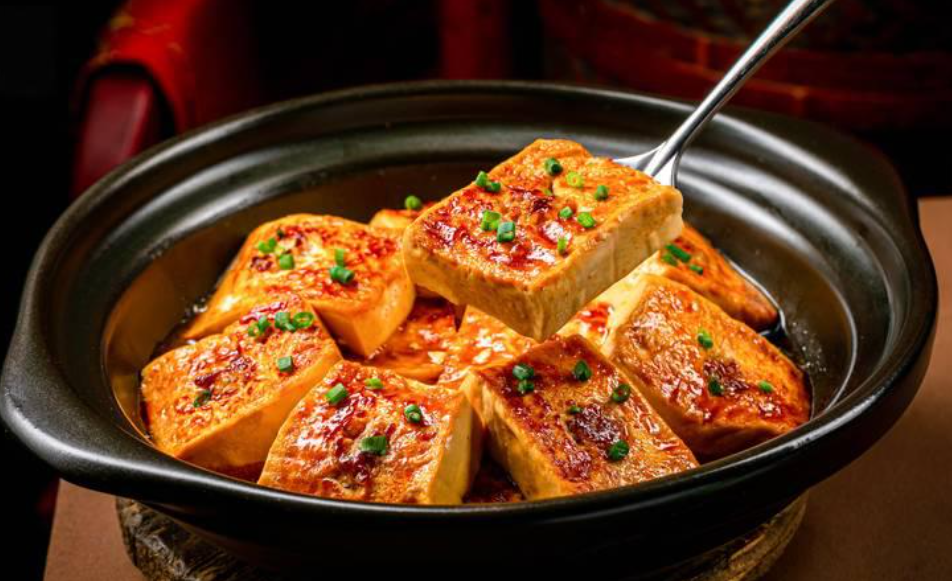
The origin of Hakka Stuffed Tofu is closely linked to the migration history of the Hakka ancestors. Since the late Western Jin Dynasty, gentry from the Central Plains moved south on a large scale several times to avoid wars. After thousands of years of wandering, they finally settled in the border area of Fujian, Guangdong and Jiangxi, forming a unique Hakka people. The Central Plains is rich in wheat, and the ancestors were used to taking pasta as the main food, being good at making stuffed foods such as dumplings and steamed buns. After moving south, Lingnan is rich in rice and soybeans, but wheat is scarce. The intelligent Hakka people adapted to local conditions, replacing dough with tofu and stuffing minced meat into it, creating the characteristic dish of stuffed tofu. This dish not only solved the problem of ingredient adaptation but also combined the dietary memories of the Central Plains with the advantages of Lingnan ingredients, becoming a vivid embodiment of the Hakka people’s spirit of “farming and reading heritage, adapting to local conditions”. During the Ming and Qing dynasties, some Hakkas moved further south into Shenzhen, settling in Guanlan, Longgang, Pingshan and other places. Stuffed tofu was also introduced to Shenzhen, gradually becoming an indispensable delicacy in local Hakka banquets and daily diets.
The ultimate Hakka Stuffed Tofu starts with strict selection of ingredients, which is the core secret of maintaining its unique flavor. The choice of tofu is particularly crucial. traditional Shenzhen Hakka Stuffed Tofu uses hand-made local soft tofu (also known as tender tofu), made from soybeans harvested in the current year through multiple processes such as soaking, grinding, boiling, curdling and pressing. Hand-made soft tofu has a soft and delicate texture with uniform pores, which can fully absorb the fresh aroma of minced meat and maintain its shape without falling apart during cooking, filling the mouth with juice when bitten. The minced meat is mainly fresh pork belly, mixed with a small amount of fresh shrimp or fish in a ratio of 7:3. Add minced ginger, chopped green onions, diced shiitake mushrooms, pepper, light soy sauce, oyster sauce and other seasonings, stir in one direction until the minced meat is firm and elastic. In addition, Hakka rice wine, dried tangerine peel, garlic sprouts and other auxiliary materials are also needed. Rice wine can remove the fishiness of the minced meat and enhance the aroma, while dried tangerine peel can neutralize the lightness of the tofu, making the flavor more layered.
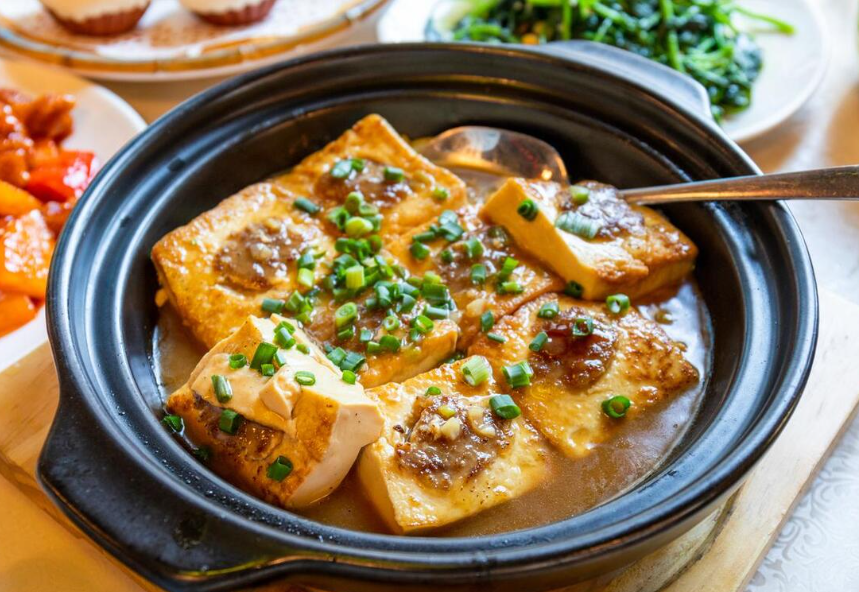
The adherence to and innovation of cooking techniques have brought vitality to Shenzhen Hakka Stuffed Tofu in inheritance. The traditional method is braising in a casserole, which can lock the fresh aroma of the ingredients and allow the tofu to fully absorb the flavor of the minced meat and seasonings. When making, first cut the tofu into 4-centimeter cubes, gently press the center of the tofu with your fingers to dig a small pit (being careful not to break the bottom of the tofu), stuff the adjusted minced meat into the pit, and fill the surface with tofu crumbs. Pour an appropriate amount of peanut oil into the pot. When the oil is hot, place the stuffed tofu with the minced meat side down, fry slowly over low heat until golden and set, then turn over and fry until all four sides are slightly yellow. Then add ginger slices, green onions, dried tangerine peel, Hakka rice wine, light soy sauce and a small amount of water, bring to a boil over high heat, then turn to low heat and braise for 15-20 minutes. During braising, turn the tofu from time to time to ensure each piece can evenly absorb the soup. Finally, collect the soup over high heat and sprinkle with garlic sprouts to serve. Today, while retaining traditional techniques, Hakka restaurants in Shenzhen have also launched various methods such as pan-frying, steaming and soup making to meet the taste needs of different diners. However, the traditional casserole braising method is still the most respected, which can maximize the restoration of the ancient flavor of stuffed tofu.
Hakka Stuffed Tofu is not only a dish but also deeply integrated into the folk Culture and life rituals of Shenzhen’s Hakka people. At important festivals such as Hakka weddings, birthday banquets and Spring Festival, stuffed tofu is an indispensable dish, symbolizing “reunion and happiness” — the Chinese character for tofu “fu” is homophonic with “blessing”, and stuffing minced meat into it symbolizes “adding blessings and joy”. In Guanlan Hakka Ancient Village in Shenzhen, during traditional festivals, villagers gather together to make stuffed tofu by division of labor. From grinding tofu, preparing minced meat to pan-frying and braising, the whole process is full of homely atmosphere, becoming an important link to maintain clan emotions. In addition, Hakka Stuffed Tofu also carries the Hakka way of receiving guests. Whether entertaining distinguished guests or relatives and friends, serving a plate of steaming stuffed tofu is the most sincere welcome to guests.
To taste the most authentic Shenzhen Hakka Stuffed Tofu, time-honored restaurants and folk villages around Hakka ancient villages are the best choices. “Guanlan Old Hakka Restaurant” in Guanlan Hakka Cultural Tourism Scenic Area adheres to hand-made techniques and uses local ingredients. The braised stuffed tofu is rich in fragrance, with the softness of tofu and the firmness of minced meat in every bite. It tastes better when paired with Hakka rice wine. There are also many family-style restaurants in Pingshan Hakka Village in Longgang District and Nan’ao Hakka Village in Dapeng New District. Most of the owners are local Hakkas, inheriting the family recipe of stuffed tofu, and the dishes are full of homely flavor. In addition, in some Hakka folk activities in Shenzhen, stuffed tofu is also made on site. Travelers can not only taste the authentic flavor but also participate in the production process, experience the fun of making Hakka food by hand, and deeply feel the unique charm of Hakka culture.
For foreign travelers, the charm of Hakka Stuffed Tofu lies not only in its delicious taste but also in the cultural connotation behind it. This seemingly simple dish hides the migration wisdom of the Hakka ancestors, the survival philosophy of adapting to local conditions and the folk concept of reunion and harmony. When teeth bite through the soft tofu, the fresh aroma of minced meat and the sweetness of tofu blend in the mouth, with the mellow aroma of Hakka rice wine and the slight sweetness of dried tangerine peel progressing layer by layer. Every bite is a vivid interpretation of Hakka culture. In Shenzhen, this thousand-year-old delicacy has long surpassed food itself, becoming a symbol connecting tradition and modernity, carrying cultural memories, waiting for every visitor from afar to understand the profound heritage of Hakka culture in the homely flavor.




暂无评论内容