




In Beijing’s urban context, time-honored brands are cultural symbols spanning centuries. They carry the craftsmanship persistence of generations and explore new vitality in the tide of the times. Tongrentang, Rongbaozhai, Neiliansheng… These names are not only time-honored commercial brands, but also vivid carriers of traditional Chinese Culture. For foreign tourists, walking into these time-honored brands allows you to touch exquisite traditional craftsmanship, understand the Chinese wisdom of “upholding tradition and pursuing innovation”, and feel the profound heritage and vivid vitality of Beijing’s Culture in the integration of ancient and modern.
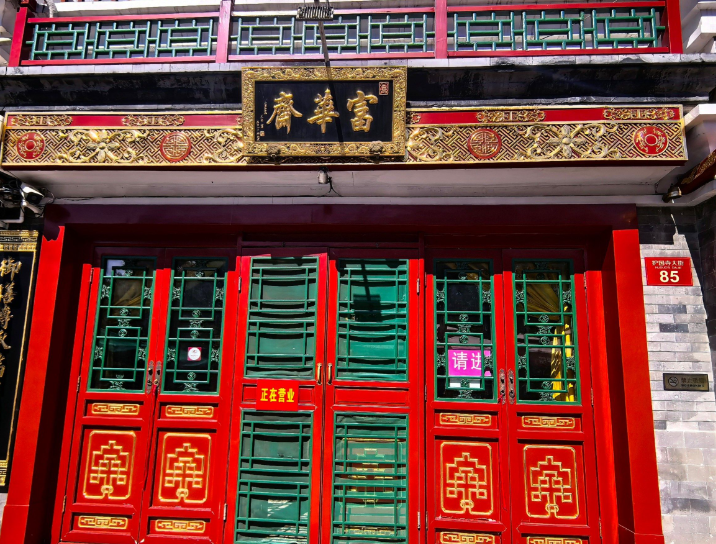
Tongrentang’s legend began with the inheritance of traditional Chinese medicine (TCM) in 1669. For more than 300 years, it has always adhered to the ancestral motto: “We dare not save labor despite cumbersome processing, and dare not reduce quality despite expensive materials”, becoming a benchmark of TCM Culture. As China’s most influential TCM time-honored brand, Tongrentang has developed from a small herbal shop into a comprehensive TCM group covering medicinal material planting, drug research and development, and diagnosis and treatment services. Its core charm lies in adhering to and inheriting traditional processing techniques.
The Chinese medicinal materials in the store are strictly selected and carefully processed. Every process from slicing, processing to compatibility follows ancient methods to ensure efficacy and quality. For foreign tourists, Tongrentang is not only a place to buy medicine, but also a window to understand TCM culture. Some stores provide TCM consultation services with physicians who can communicate in bilingual, offering constitution differentiation, health advice and other services. The store displays precious medicinal materials such as ginseng, deer antler and donkey-hide gelatin, as well as classic proprietary Chinese medicines like Angong Niuhuang Pill and Tongren Dahuoluo Pill, with detailed English explanations on medicinal effects and usage methods.
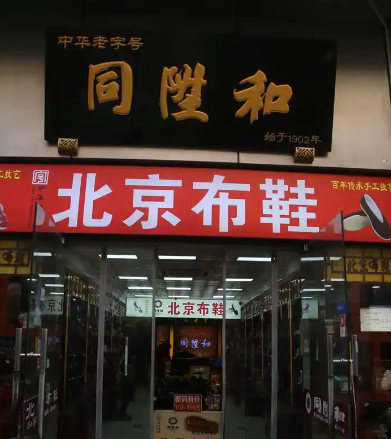
In addition, Tongrentang has launched cultural and creative products such as TCM essential oils, health teas and herbal hand creams, combining traditional TCM with modern life needs, which are very memorable souvenirs. It is recommended to visit Tongrentang’s headquarters in Dashilan, which retains the simple store layout. The plaques and counters all carry historical marks, allowing you to immerse yourself in the profound TCM culture.
Rongbaozhai, rooted in the inheritance of traditional Chinese Calligraphy and painting culture, traces its history back to 1672. Initially engaged in paper and stationery business, it gradually became a core venue for communication among famous calligraphers and painters and art transactions, known as “the cradle of the calligraphy and painting industry”. Rongbaozhai’s core techniques are woodblock watermarking and mounting restoration. Among them, woodblock watermarking is called “living cultural relic reproduction”. Artists need to go through multiple processes such as sketching, carving, printing, to accurately restore the brushwork, color and charm of ancient calligraphy and painting works. The reproduction of a complex work often takes several years, showing great craftsmanship.
Today’s Rongbaozhai is not only an inheritor of traditional calligraphy and painting art, but also a platform for cultural exchange. The store not only displays works of famous calligraphers and painters at all times, and high-quality four treasures of the study (writing brush, ink stick, paper, ink slab), but also regularly holds calligraphy and painting exhibitions and skill demonstration activities. Foreign tourists can watch the whole process of woodblock watermarking and mounting restoration up close, and even participate in simple woodblock watermarking experience to make their own calligraphy and painting sketches by hand.
The four treasures of the study in Rongbaozhai are made of high-quality materials, with writing brushes, rice paper and Anhui ink all hand-made, suitable for calligraphy and painting lovers to collect. At the same time, it has launched cultural and creative products with calligraphy and painting themes, such as rice paper notebooks and woodblock watermark bookmarks, which combine practicality and artistry, integrating traditional stationery into modern life. Rongbaozhai’s headquarters outside Hepingmen has an elegant architectural style, and the calligraphy and painting atmosphere and skill demonstration in the store show the charm of traditional culture.
Neiliansheng’s story started with hand-made cloth shoe craftsmanship in 1853, famous for its “thousand-layer sole” cloth shoes, witnessing the inheritance and development of traditional Chinese shoemaking craftsmanship. The name “Neiliansheng” has a profound meaning: “Nei” refers to the imperial palace, and “Liansheng” means “stepping up step by step”. Initially, it specialized in making court boots for court officials and royal relatives. Its thousand-layer sole cloth shoes are made of pure cotton cloth through dozens of hand processes such as sole sewing, shoe upper attaching and last shaping. The stitches on the sole are dense and uniform, comfortable to wear, wear-resistant and breathable, combining practicality and cultural connotation.
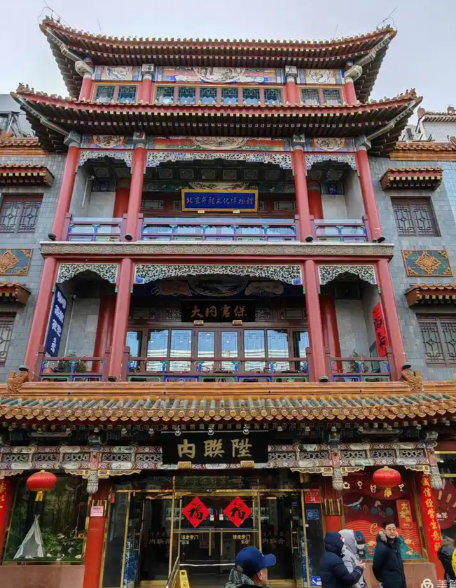
Under the impact of modern trends, Neiliansheng has taken an innovative path of integrating tradition and fashion. In addition to retaining classic thousand-layer sole cloth shoes and court boots, it has cooperated with designers to launch new cloth shoe styles integrating modern elements, combining traditional craftsmanship with casual and fashionable styles to meet daily wearing needs. At the same time, it has launched a cloth shoe DIY experience project. Under the guidance of artists, foreign tourists can experience simple processes such as sole sewing and shoe upper attaching, and feel the fun of hand-made shoes.
Neiliansheng’s stores display cloth shoes of different styles and sizes, with English introductions explaining the craftsmanship and cultural meaning of each pair of shoes. Neiliansheng’s headquarters in Dashilan also displays century-old shoemaking tools and old cloth shoes, telling the story of the time-honored brand.
For practical travel tips, foreign tourists can connect the three time-honored brands into a “traditional culture one-day tour” route: visit Tongrentang and Neiliansheng in Dashilan in the morning to experience TCM and hand-made shoemaking culture; taste Beijing-style snacks in Dashilan at noon; go to Rongbaozhai in the afternoon to experience traditional calligraphy and painting and woodblock watermarking techniques. It is recommended to check the store opening hours in advance, and some skill demonstration activities need to be booked in advance. When purchasing goods, you can consult the clerk for English explanations, and some stores support foreign currency payment and mobile payment. If you want to experience TCM consultation and hand-made projects, it is recommended to book in advance through the store’s official website or phone to ensure a smooth trip.



暂无评论内容