




To truly understand Beijing, you can never miss its hutongs and siheyuan — the crisscrossing alleys and scattered courtyards are the most vivid living texture of the ancient capital, carrying the residential wisdom and neighborhood warmth of Beijingers for centuries. Unlike the royal grandeur of the Forbidden City and Temple of Heaven, hutongs and siheyuan are civilian cultural carriers, with each alley holding a story and each courtyard hiding daily warmth. For foreign tourists, wandering here allows you to touch the delicacy of traditional architecture, encounter the vitality of modern transformation, and immerse yourself in the unique temperament of Beijing where “ancient and modern coexist”.
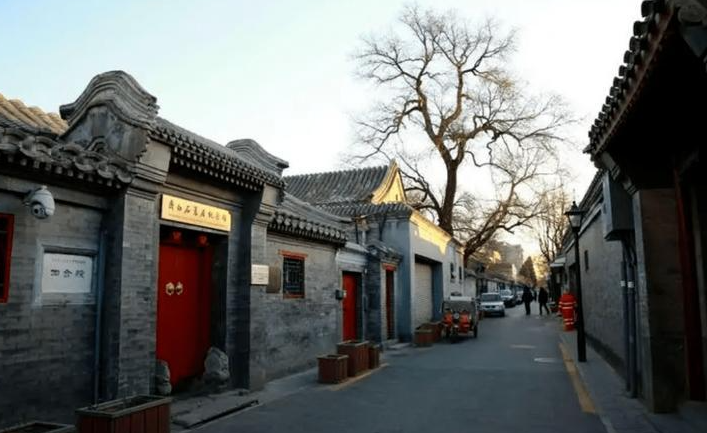
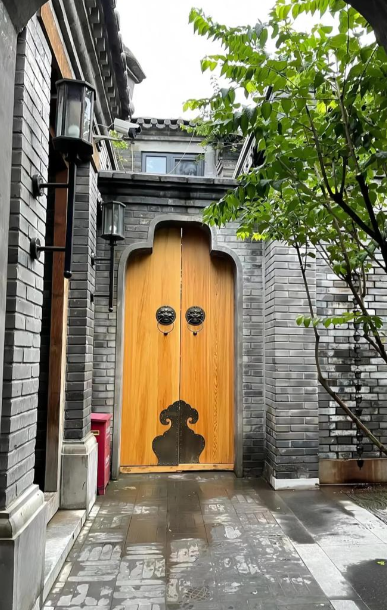
The essence of hutongs and siheyuan lies in their rigorous architectural pattern and profound cultural connotation. Most of Beijing’s hutongs extend in a “chessboard” layout, mainly east-west, with north-south lanes. Alleys of varying widths connect numerous siheyuan, forming a hierarchical space of “street-alley-courtyard”. Siheyuan takes “axis symmetry” as the core, facing south, surrounded by the main house, east wing, west wing and south house, with an open patio in the middle, which not only ensures lighting and ventilation, but also forms a private family space. This layout implies the Confucian ethical concept of “seniority order” — the main house is for the elderly, and the wings are for the younger generation. Details such as door piers, screen walls and pendent flower gates are not only decorations, but also carry the meaning of praying for blessings and good fortune. For example, stone lions on door piers symbolize dignity, and screen walls can block outsiders from peeping into the courtyard.
Neighborhood Culture is the soul of hutong life. Different from the isolation of modern apartments, residents of siheyuan share public spaces such as alleys and wells. Morning breakfast stalls, afternoon chats on rocking chairs, and evening children’s play constitute a lively and harmonious neighborhood scene. The sound of Pigeon whistles is a unique sound symbol in hutongs. When old Beijingers raise pigeons, they tie bamboo whistles to the pigeons’ tails. When the pigeons hover in the sky, the clear and melodious whistles echo in the alleys, becoming a Beijing-style symbol engraved in the city’s memory. Today, although some hutong residents have moved, this neighborhood warmth still continues in well-preserved blocks. When foreign tourists stop to chat, they may receive warm guidance from locals and encounter an authentic hutong life scene.
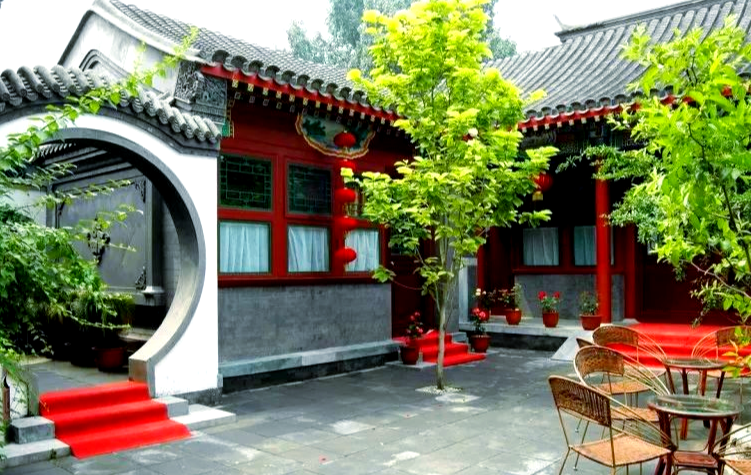
To experience the diverse charm of hutongs and siheyuan, choosing the right blocks is crucial. Nanluoguxiang is the most representative hutong block and a must-visit for foreign tourists. This 787-meter-long hutong has dozens of branch alleys on both sides, boasting both lively commercial vitality and quiet courtyard charm. The main street gathers cultural and creative shops, characteristic cafes and Beijing-style snack stalls, where you can buy hutong-themed cultural and creative products and taste snacks like soybean paste rolls and glutinous rice cakes. Branch alleys such as Ju’er Hutong retain more original siheyuan, some of which are transformed into boutique homestays and niche art galleries. Pushing open the red lacquer gate, you can feel the collision between modern design and traditional architecture in the ancient courtyard, avoiding the crowds on the main street and enjoying a moment of tranquility.
If you prefer a quiet and original experience, Xisi North Hutongs is an excellent choice. This area includes Xisi North 1st to 8th Hutongs, which have not been over-commercialized and still have a large number of local residents. Gray brick walls, mottled wooden doors and corn bunches hanging on the walls all exude the original Beijing-style daily warmth. Here, you can wander in undisturbed alleys, observe the architectural details of siheyuan, encounter old people picking vegetables at the door and children chasing and playing, and feel the most authentic hutong life. Some courtyards are open to visitors. The old furniture and old decorations in the courtyards tell the story of time, allowing tourists to intuitively experience traditional living scenes.
Shijia Hutong Museum is a window to understand hutong Culture. This Museum, transformed from a siheyuan, completely retains the traditional courtyard pattern, systematically displaying the historical changes, architectural characteristics and living scenes of hutongs through old photos, old objects and scene restorations. The museum also has an interactive experience area where you can listen to Pigeon whistles, watch demonstrations of hutong renovation techniques, and even participate in traditional handicraft activities to deeply interpret the connotation of hutong culture. The museum provides Chinese and English interpretation services, facilitating foreign tourists to understand the stories behind the exhibits, and is the first choice for quickly getting started with hutong culture.
In addition, the flea markets and cultural and creative spaces in hutongs show the integrated vitality of tradition and modernity. On weekends, hutong flea markets are filled with old furniture, old porcelain, old photos and other items. You can not only find unique souvenirs, but also peek into Beijing’s past from old objects. Some abandoned courtyards are transformed into cultural and creative studios and small art galleries. Artists create works inspired by hutongs, giving new artistic vitality to the ancient alleys.
For practical tips, foreign tourists are advised to visit hutongs on foot or by bike, and use shared bikes to shuttle between different blocks to better feel the alley charm. When visiting siheyuan, respect the privacy of residents and do not enter private courtyards without permission. Shijia Hutong Museum needs to be booked in advance through the official WeChat public account, and free English interpretation is available at some times. Nanluoguxiang is crowded during morning and evening peaks, so it is recommended to travel during off-peak hours, and branch alleys are more likely to bring surprises. When buying cultural and creative products, you can choose Pigeon whistles, hutong maps and other meaningful items to keep the memory of hutongs.




暂无评论内容