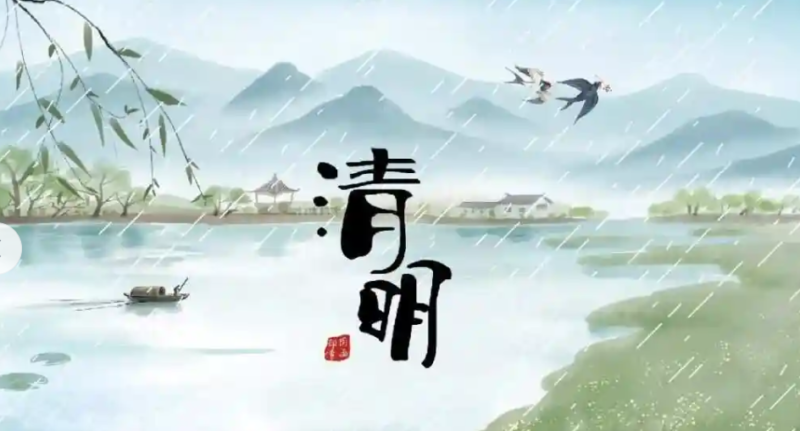





Between April 4th and 6th of the Gregorian calendar, when willow buds burst and new grass turns green, China celebrates the Qingming Festival, a traditional holiday with both natural and humanistic significance. As one of the 24 Solar Terms, it marks the beginning of late spring when all things revive; meanwhile, it is an important ancestor-worshipping festival in the Chinese world, embodying reverence for ancestors and awe of life. For foreign tourists, Qingming Festival is not only a window to experience traditional Chinese Culture but also a chance to understand the core values of the Chinese people—”honoring the past and cherishing the roots, harmony between man and nature.”
The origin of Qingming Festival dates back to the Spring and Autumn Period, reportedly linked to the story of Duke Wen of Jin mourning his loyal minister Jie Zitui. Jie Zitui accompanied Duke Wen during his years of exile but chose to live in seclusion on Mianshan Mountain after the duke ascended the throne. To persuade Jie Zitui to come out, Duke Wen accidentally set the mountain on fire, and Jie Zitui died holding a tree with his mother. To commemorate this incorruptible and loyal minister, Duke Wen designated the day of the fire as the “Cold food Festival,” during which no fire could be used for cooking. Later, the Cold Food Festival merged with the Qingming Solar Term, gradually forming the customs of tomb-sweeping and spring outing, which have been passed down for more than 2,500 years.
Tomb-sweeping and ancestor worship are the core customs of Qingming Festival, serving as an important way for Chinese people to express filial piety and gratitude. Before the festival, every family prepares offerings such as fresh flowers, fruits, and pastries; in some regions, joss paper and paper figurines were also prepared, but now, in line with environmental protection concepts, they have been gradually replaced by flowers and green plants. Upon arriving at the ancestors’ tombs, people clean the graves, remove weeds, place the offerings neatly in front of the tombstone, burn incense, bow, and recite eulogies to express their longing for the deceased. This process is not merely a solemn mourning but a cross-temporal family dialogue, conveying the cultural gene of “never forgetting one’s roots and respecting ancestors.”
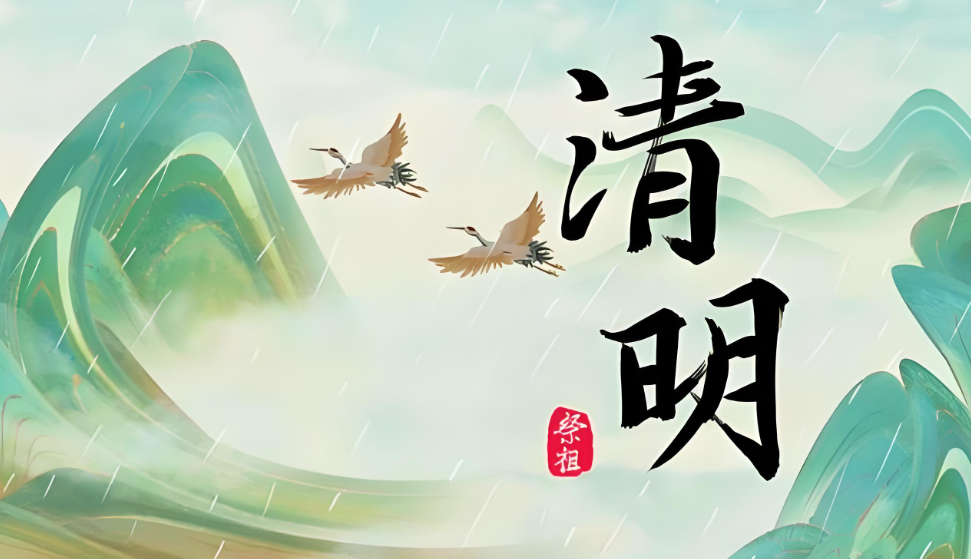
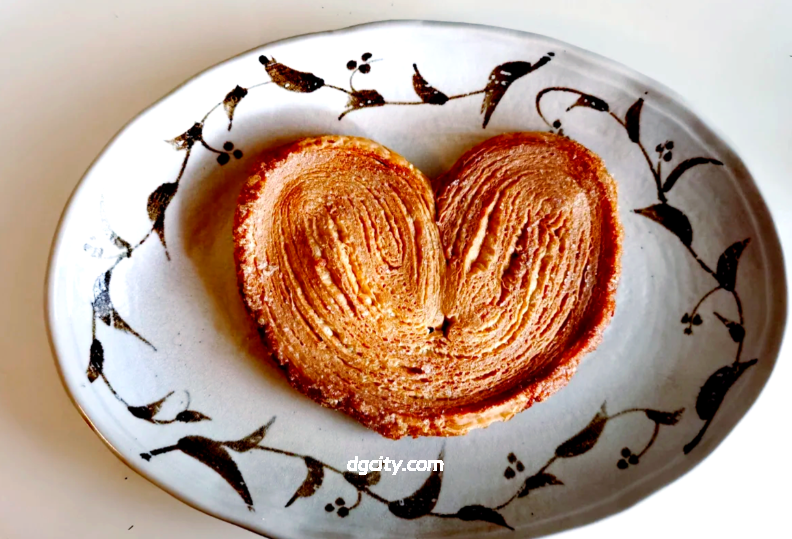
Beyond remembering the past, Qingming Festival is also a celebration of spring’s arrival, and spring outing is its most vibrant custom. At this time, the temperature rises, plants thrive, and the earth takes on a lively scene. The ancients believed that spring outings during Qingming could dispel the gloom of winter and absorb the vitality of nature, thus forming the tradition of “going on spring outings around Qingming.” Today, spring outing has become a national leisure activity—people either walk in Parks and mountains with their families to enjoy the pink peach blossoms and green willows, or go boating on lakes, have picnics, and camp to savor the comfort of spring. In the Jiangnan region, special delicacies such as green rice cakes (qingtuan), fried dough twists (sanzi), and Qingming cakes are essential for spring outings. Qingtuan is made of glutinous rice flour mixed with wormwood juice, filled with red bean paste, pork floss, etc., with a soft, glutinous, and fragrant taste, carrying unique seasonal memories.
Qingming Festival also features interesting customs like willow planting, kite flying, and swing playing. Willow planting originated from the ancient concept of “warding off evil spirits and praying for blessings.” Willows have strong vitality, and planting them beside doors symbolizes family prosperity and peace. Kite flying, on the other hand, is believed to “release bad luck”—people write their wishes on kites, cut the strings after the kites rise into the sky, and let troubles and disasters drift away with the kites. These customs not only add joy to the festival but also embody the ancients’ yearning for a better life.
For foreign tourists who want to deeply experience Qingming Festival, cities with profound cultural heritage such as Suzhou, Hangzhou, and Huizhou are recommended. In Suzhou, you can wander along Pingjiang Road, watch local people carrying offerings to suburban cemeteries, and feel the traditional ancestor-worshipping atmosphere. In Hangzhou, you can go on a spring outing along West Lake, taste authentic qingtuan, and admire the magnificent spring scenery of “Willow Waves and Oriole Sounds.” In ancient Huizhou villages, you can witness simple ancestor-worshipping ceremonies and experience the inheritance of traditional Culture. Meanwhile, it is important to maintain solemnity at tomb-sweeping sites and respect local customs; when going on spring outings, abide by scenic spot regulations and protect the natural environment.
Qingming Festival is an encounter between “remembrance and rebirth.” It allows people to embrace the hope of spring while mourning their ancestors. Here, tradition blends with modernity, and sorrow coexists with joy. Every custom embodies the Chinese people’s profound understanding of life, family, and nature, waiting for foreign tourists to explore slowly.




暂无评论内容