




The Hanshi Festival, also known as the Cold food Festival, falls on the day or two before Qingming Festival. As an important traditional festival in ancient China, it carries the cultural core of commemorating ancestors and respecting nature. Originating from the story of commemorating Jie Zitui during the Spring and Autumn Period, people in ancient times would ban fire for three days and only eat cold food. Later, it gradually merged with Qingming Festival, forming the dual customs of “honoring ancestors on Hanshi Festival and going outing on Qingming Festival”. Today, although the Hanshi Festival no longer has strict fire-banning rules, it retains core activities such as tasting cold food, worshipping ancestors, and spring outings. For foreign visitors, traveling to China at this time not only allows you to touch the historical context through cold food flavors but also feel the warmth of traditional festivals in spring scenery, starting a journey full of cultural depth and natural charm.
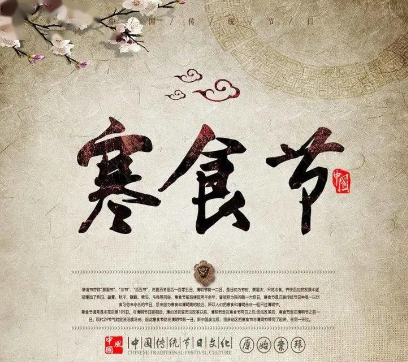
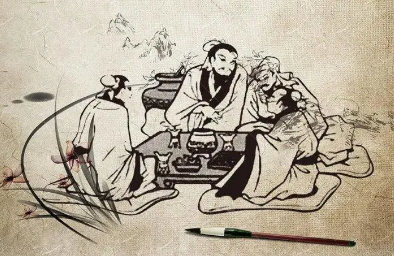
To understand the Hanshi Festival, you must first explore the origin of its customs and cultural implications. “Banning fire and eating cold food” is the core tradition of the festival, derived from the ancients’ awe of fire and remembrance of ancestors. In ancient times, people would prepare cooked food in advance and not light fires for cooking during the Hanshi Festival, to express their admiration for Jie Zitui’s character of “not seeking fame and fortune, living in seclusion with integrity”. Today’s cold food has long been beyond the function of “filling the stomach” and has evolved into a characteristic food with both flavor and ritual sense. Cold food varies in different regions: northern cold noodles are chewy and refreshing, served with cold vegetables and sauces; Jiangnan green rice cakes (qingtuan) are soft and sweet, made of glutinous rice flour mixed with wormwood juice, filled with red bean paste, sesame and other fillings, with a natural herbal fragrance; Jie Zitui buns in Shanxi are multi-layered, embedded with red dates and walnuts, a iconic food for commemorating Jie Zitui locally. In addition, worshipping ancestors and going outing with willow branches are also important customs of the Hanshi Festival. People will visit ancestors’ cemeteries to pay homage, or go outing in the countryside to enjoy spring, expressing sorrows and embracing vitality in the season of recovery.
Choosing the right destination can enhance the cultural immersion of your Hanshi Festival trip. Jiexiu in Shanxi, as the birthplace of the Hanshi Festival, is the first choice to experience the true essence of the festival. Mianshan Mountain here is where Jie Zitui lived in seclusion and was burned to death. During the Hanshi Festival, grand commemorative ceremonies are held to restore the ancient scene of fire-banning and ancestor-worshipping. Visitors can participate in incense-burning, ancestor-worshipping and cold food tasting activities, and also visit scenic spots such as Yunfeng Temple and Hanging Temple, feeling the thickness of history among mountains and rivers. In addition, time-honored shops on the streets of Jiexiu launch traditional cold food sets, such as Jie Zitui buns, Hanshi porridge and cold mixed oat noodles, allowing taste buds to deeply experience Hanshi Culture. Beijing’s Hanshi Festival atmosphere combines royal heritage with folk charm. The Summer Palace, Old Summer Palace and other royal gardens are perfect for spring outings, with willows and flowers blooming in spring, setting off with ancient buildings; merchants on Huguosi Snack Street and Niujie launch limited cold food, such as qingtuan, aiwowo and cold mixed soybean noodles, with various flavors. Visitors can taste food while feeling the festive atmosphere of the capital.
If you prefer the gentleness of Jiangnan and the freshness of spring, Hangzhou and Suzhou are ideal choices. The area around West Lake in Hangzhou is full of spring vitality during the Hanshi Festival. Scenic spots such as Sudi Chunxiao and Liulang Wenying are lined with willows and blooming flowers. Visitors can take boats to tour the lake and go outing, or go to Lingyin Temple to worship ancestors, experiencing the tradition of “honoring ancestors on Hanshi Festival and enjoying spring on Qingming Festival”. Time-honored restaurants around West Lake launch Jiangnan-style cold food, such as wormwood qingtuan, cold noodles with bamboo shoots, and sweet-scented osmanthus cold cakes, with a sweet taste, showing the delicacy of Jiangnan cuisine. Pingjiang Road and Shantang Street in Suzhou are full of spring vitality during the Hanshi Festival. Willows sprout on both sides of the bluestone roads, and shops along the street sell traditional cold food and handcrafts. Visitors can walk along the ancient streets, taste red bean paste qingtuan, cold water shield and other foods, and also participate in local willow-planting activities, experiencing the ancient custom of “planting willows to ward off evil spirits”. In addition, the area around the Giant Wild Goose Pagoda in Xi’an and Du Fu Thatched Cottage in Chengdu are also worth visiting. The former shows the charm of the ancient capital in spring, while the latter allows you to feel the poetic artistic conception during outings, and you can taste regional characteristic cold food in both places.
Practical travel tips can make your Hanshi Festival trip smoother. The Hanshi Festival falls in spring in China, with pleasant climate but large temperature differences between day and night. Prepare light coats, sweaters and other clothes, and rain gear to cope with changing spring weather. Popular scenic spots such as Mianshan Mountain in Jiexiu, Shanxi and West Lake in Hangzhou may have more visitors during the Hanshi Festival. It is recommended to book tickets on official platforms 1-2 days in advance to avoid on-site queuing. Respect local customs, keep solemn when participating in ancestor-worshipping activities, and understand the cultural implications behind cold food. In terms of transportation, the surrounding areas of popular scenic spots are prone to congestion. Prefer public transportation. Jiangnan Ancient Towns and streets are recommended to be visited on foot to better feel the spring atmosphere. In addition, learn about the characteristics of cold food in different regions in advance, try local limited flavors, and prepare translation software to facilitate communication with local people, deeply experiencing the dual cultural connotations of “remembrance and new life” of the Hanshi Festival.
A bowl of cold food contains ancient charm, and a touch of spring green conveys deep affection. During the 2026 Hanshi Festival, why not walk into China’s cities, mountains and rivers, read thousands of years of history in traditional cold food, feel the vitality of life in spring outings, and understand cultural inheritance in ancestor-worshipping. Let this journey become a vivid experience to understand the diverse charm of Chinese traditional festivals.





暂无评论内容