




The Dragon Head Raising Festival, also known as the “Spring Ploughing Festival” or “Farming Festival”, falls on the 2nd day of the second lunar month. As an important folk traditional festival in China, it embodies people’s good wishes for smooth spring ploughing and abundant grain harvests. On this day, the ancients believed that the sleeping dragon would wake up and raise its head, bringing rainfall to nourish all things, thus deriving a series of folk activities such as dragon worship, getting a haircut, and eating dragon-themed food. For foreign visitors, traveling to China at this time not only allows you to encounter ritual folk celebrations but also feel the daily warmth in spring, starting a special journey full of cultural heritage and spring charm.
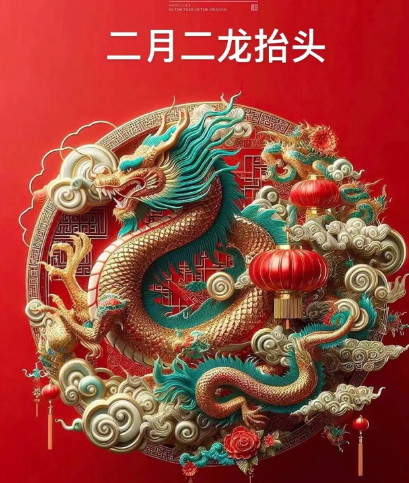
To understand the Dragon Head Raising Festival, the core is to explore its traditional customs and cultural implications. “Getting a dragon head haircut” is the most popular custom. Folk people believe that having a haircut on the 2nd day of the second lunar month can bring good luck, symbolizing “good fortune coming and avoiding all diseases”. Both adults and children will go to barbershops on this day to start a new look for the new year. “Dragon worship for rain” is the core ritual of the festival. People from all over the country will go to Dragon King Temples to burn incense and pray for blessings. Some water towns also hold dragon boat parades and river lantern releasing activities to pray for the dragon god’s protection for favorable weather.
“Eating dragon-themed food” adds a lot of daily warmth to the festival. People will name food after “dragon”: dragon beard noodles symbolize “the dragon’s beard”, dumplings are called “dragon ears”, spring pancakes rolled with vegetables are “dragon scales”, and noodles with eggs are “dragon eggs”. Each dish carries yearning for a better life, integrating taste buds with folk customs. In addition, some areas also have customs such as leading the dragon, spreading ashes, and wearing dragon tails, showing the vivid vitality of traditional Culture.
Choosing the right destination can make your Dragon Head Raising trip more distinctive. As the capital of China, Beijing’s festival atmosphere combines traditional heritage with modern vitality. Taoist temples such as Yonghe Temple and Baiyun Guan hold dragon worship and prayer rituals, where Taoist priests recite scriptures to pray for blessings. Visitors can participate in them to feel the solemn folk atmosphere. Time-honored barbershops on Nanluoguxiang and Qianmen Street launch limited “dragon head haircut” services, paired with traditional snacks like sugar paintings and donkey rolling, making the streets full of lively scenes.
As an ancient capital of eight dynasties, Kaifeng’s folk rituals for the Dragon Head Raising Festival are full of a sense of history. Longting Park holds a grand dragon worship ceremony, restoring the magnificent scene of imperial dragon worship in ancient times. Actors in ancient costumes perform prayer rituals, paired with the spring scenery of the Ancient City wall and Longting Lake, making visitors feel as if they have traveled back to ancient times. Qingming Riverside Landscape Garden launches dragon boat parades, folk performances and other activities. Visitors can take painted boats to feel the unique charm of “leading the dragon to pray for blessings” on the Bian River, and also taste authentic Kaifeng dragon beard noodles, soup dumplings and other “dragon food”.
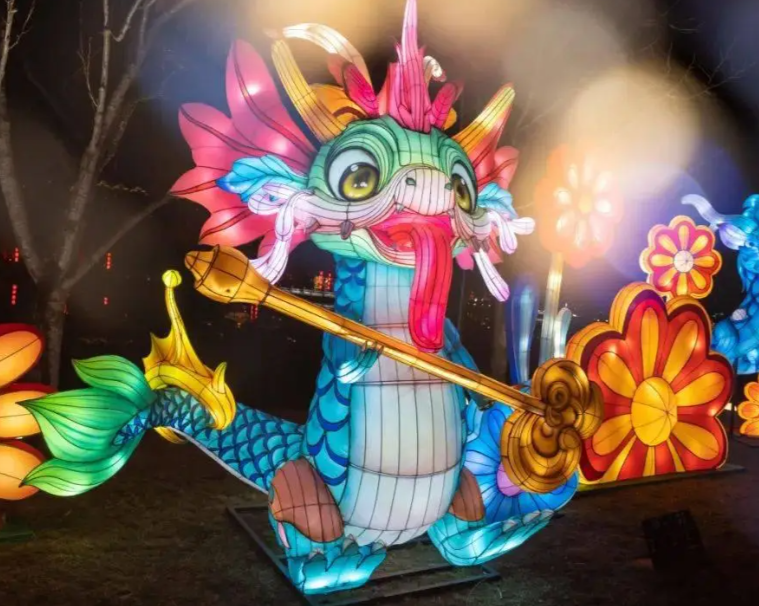
If you prefer water town charm and unique folk customs, Suzhou and Taiyuan are excellent choices. Ancient Towns such as Zhouzhuang and Tongli in Suzhou hold water town dragon worship activities on the Dragon Head Raising Festival. Villagers carry the Dragon King statue to parade the streets, then release river lanterns and spread grains by the river to pray for smooth water transportation and a good harvest. Restaurants in the ancient town launch Jiangnan-style “dragon food”, such as sweet-scented osmanthus dragon beard noodles and crab roe dragon ear dumplings, which are both sweet and delicious. Paired with the spring scenery of small bridges and flowing water, they show the gentleness of Jiangnan folk customs.
As the core of Jin Culture, Taiyuan has well-preserved folk customs for the Dragon Head Raising Festival. Jinci Temple holds traditional dragon worship activities, where visitors can watch dragon and lion dances, Jin opera performances and other programs. Barbershops on the street hang signs for “dragon head haircuts”, and you can also taste Shanxi’s characteristic Youmian Kaolaolao (dragon scales) and knife-cut noodles (dragon beards), feeling the thickness of Jin folk customs in the daily warmth. In addition, Coastal dragon worship in Qingdao and folk performances in Jinli, Chengdu are also worth visiting. The former integrates marine culture with dragon culture, while the latter perfectly combines Bashu customs with the festive atmosphere.
Practical travel tips can make your Dragon Head Raising trip smoother. The festival falls in spring in China, with great temperature differences between the north and the south. The north is still cold, so prepare coats, sweaters and other clothes. The south is warm and humid, so light clothing is suitable. Meanwhile, prepare rain gear for changing weather. Popular barbershops and dragon worship activities in scenic spots may have long queues. It is recommended to plan your itinerary in advance: make reservations for barbershops and check the official time of scenic spot activities to avoid missing them.
Respect local folk customs, abide by on-site order when participating in activities such as dragon worship and river lantern releasing, and understand the cultural implications behind the customs. In terms of transportation, the surrounding areas of popular scenic spots are prone to congestion. Prefer public transportation. Ancient Towns and water towns are recommended to be visited on foot to better feel the spring atmosphere. In addition, learn about the characteristics of “dragon food” in different regions in advance, try local limited flavors, and prepare translation software to facilitate communication with local people and deeply experience the cultural connotation of the Dragon Head Raising Festival.
The Dragon Head Raising Festival connects the end of winter and the hope of spring. During the 2026 Dragon Head Raising Festival, why not walk into China’s cities and Ancient Towns, start a new journey in the ritual of getting a dragon head haircut, feel the charm of folk customs in the prayer of dragon worship, and understand Chinese Culture of praying for a good year in the spring daily warmth. Let this journey become a vivid note to understand Chinese traditional culture and spring customs.




暂无评论内容