





The Laba Festival, falling on the 8th day of the twelfth lunar month, is the “opening overture” of China’s Spring Festival customs, carrying thousands of years of blessing Culture and daily warmth. On this day, from the streets of Northern China to the ancient temples in the south, every household and temple will cook Laba porridge, paired with customs like pickling Laba garlic, awakening people’s expectations for the New Year with a strong aroma. For foreign visitors, traveling to China during the Laba Festival not only allows you to immerse yourself in the unique atmosphere of “growing New Year vibes” but also touch the profound heritage of Chinese traditional Culture through food and folk customs, starting a warm and healing winter cultural journey.

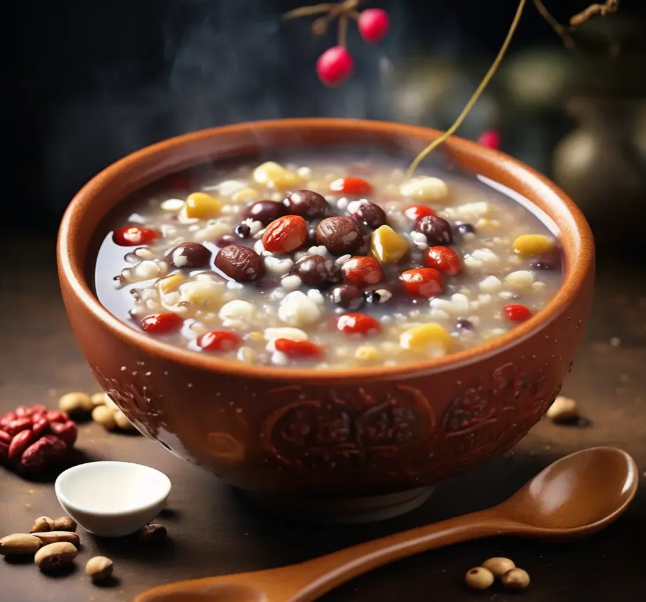
To understand the Laba Festival, the core is to explore its traditional customs and cultural implications. “Eating Laba porridge” is the most representative ritual of the festival, which originated from Buddhist Culture and later evolved into a national custom. Laba porridge is made with a variety of ingredients, usually based on glutinous rice and rice, mixed with dozens of grains and dried fruits such as red beans, mung beans, lotus seeds, peanuts, red dates, longans, and lilies, boiled until soft and sweet. Laba porridge varies in different regions: Northern China prefers a rich and sweet taste, while Southern China favors a refreshing flavor. Some areas even add preserved meat and vegetables for a savory taste, and each bowl of porridge embodies the good wish of “abundant grain and peace”.
In addition to Laba porridge, “pickling Laba garlic” is a iconic custom in Northern China. Garlic cloves are soaked in vinegar and sealed for more than ten days until they turn bright green and translucent, with a sweet, sour and crispy taste. It is an excellent side dish with dumplings and noodles, symbolizing “dispelling cold and attracting blessings”. Besides, some temples hold Laba porridge distribution activities, conveying the concept of charity and reunion, adding warmth to the festival.
Choosing the right destination can make your Laba trip more distinctive. As the capital of China, Beijing’s Laba Festival atmosphere combines traditional heritage with folk vitality. Ancient temples like Yonghe Temple and Tanzhe Temple hold traditional porridge distribution activities, where visitors can get free Laba porridge and experience the integration of Zen and New Year customs. Time-honored shops on Qianmen Street and Huguosi Snack Street launch Laba limited packages, including authentic Laba porridge and Beijing snacks paired with Laba garlic, filling the streets with a strong festive aroma.
As an ancient capital with thirteen dynasties, Xi’an is full of ancient charm during the Laba Festival. Daci’en Temple and the surrounding areas of the Giant Wild Goose Pagoda hold Laba cultural activities, cooking traditional Laba porridge for visitors to taste. Combined with the winter scenery of the Ancient City wall, it feels like traveling back to the Laba Festival in ancient times. Merchants on Huimin Street launch special Laba food, combining northwest flavors with Laba customs, satisfying both taste buds and vision.
If you prefer the gentleness of Jiangnan and the purity of traditional folk customs, Hangzhou and Shanxi are excellent choices. Lingyin Temple and Jingci Temple in Hangzhou are popular spots for Laba porridge distribution. In the early morning, long queues form at the temple gates. A bowl of warm Laba porridge paired with the winter scenery of West Lake shows the quiet elegance of Laba in Jiangnan. Time-honored brands on Hefang Street launch sweet Jiangnan-style Laba porridge, paired with special snacks like Dingsheng Cake, making the journey full of sweetness. Shanxi, a region with well-preserved traditional folk customs, has a particularly strong atmosphere during the Laba Festival. Every household in Pingyao Ancient City cooks Laba porridge, and shops along the street display the process of pickling Laba garlic. Visitors can participate in it and experience the fun of making it by themselves. Folk performances are also held in the ancient city, paired with red lanterns and ancient dwellings, restoring the most simple Laba New Year vibe. In addition, places like Daming Lake in Jinan and Wenshu Courtyard in Chengdu also hold special Laba activities, combining regional flavors with cultural experiences.
Practical travel tips can make your Laba trip smoother. The Laba Festival falls in winter in China. The temperature in northern regions is low, so prepare thick coats, down jackets, scarves, gloves and other warm clothes. Southern regions are cold and humid, so it is recommended to take windproof and moisture-proof measures. Porridge distribution activities in popular temples are mostly held in the early morning, and some require advance reservation or queuing. Plan your itinerary reasonably and reserve sufficient time. Respect local customs, abide by on-site order when participating in porridge distribution activities, and understand the cultural implications when tasting food. In terms of transportation, some areas may experience rain and snow in winter, making the roads slippery. Pay attention to safety when traveling. The surrounding areas of popular scenic spots are prone to congestion, so prefer public transportation. In addition, learn about the characteristics of Laba porridge in different regions in advance, try local limited flavors, and prepare translation software to facilitate communication with local people and deeply experience the cultural connotation of the Laba Festival.
A bowl of Laba porridge simmers the precipitation of years; a Laba trip carries Chinese romance. During the 2026 Laba Festival, why not walk into China’s cities and ancient temples, feel the opening ritual of New Year customs in the warm porridge aroma, and understand the temperature of traditional culture in special folk customs. Let this winter journey become a vivid starting point to understand Chinese New Year customs.






暂无评论内容