




Among the brilliant lineage of China’s Four Treasures of Study, the Beijing Tanzhe Purple Stone Inkstone stands out as a top imperial intangible heritage treasure, on a par with Duan Inkstone and She Inkstone, with its unique charm of “supreme stone quality and time-honored carving craftsmanship”. This ancient craft rooted in Mentougou, western Beijing, uses Tanzhe Purple Stone formed 200 million years ago, refined through ancient carving techniques. It not only carries the elegant aesthetics of the Ming-Qing imperial court but also embodies the craftsmen’s ultimate ingenuity of “designing according to the stone’s natural features”. For foreign travelers, exploring Tanzhe Purple Stone Inkstone is an excellent way to understand traditional Chinese inkstone Culture and carving art.
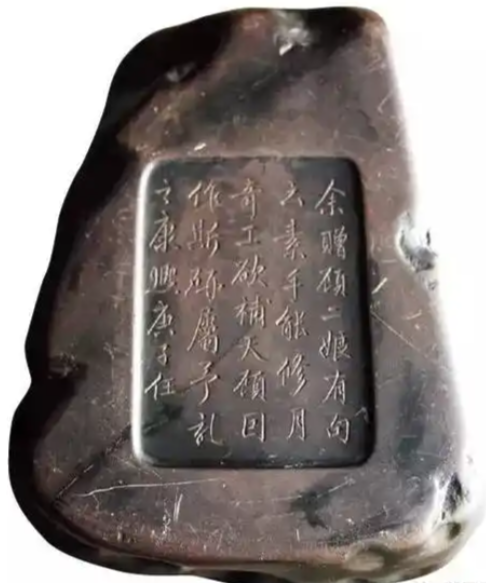
The 600-year heritage of Tanzhe Purple Stone Inkstone carving is deeply marked by imperial traces. According to research, during the Zhengtong period of Emperor Yingzong of the Ming Dynasty, the imperial court specially organized the mining of Tanzhe Purple Stone for making imperial inkstones. Today, the supervisor’s platform and the stone tablet inscribed with “Boundary of the Purple Stone Pond of the Internal Official Supervision” still remain in Ma’anshan, serving as physical evidence of the craft’s imperial origin. During the Ming and Qing dynasties, Tanzhe Purple Stone Inkstone was always a premium imperial item. Craftsmen strictly followed imperial regulations for carving, with simple and elegant shapes and magnificent and regular patterns, meeting the ink-grinding needs of literati while highlighting the dignity of imperial power. The Qing Dynasty witnessed its peak, with masterpieces such as the giant inkstone in the Summer Palace and the Nine-Dragon and Hundred-Turtle Inkstone, perfectly integrating the natural beauty of purple stone with imperial aesthetics, becoming a benchmark of craftsmanship at that time.
The value of Tanzhe Purple Stone Inkstone first lies in its unique raw material—Tanzhe Purple Stone. This stone is only produced in Ma’anshan, Mentougou, formed in the Permian Hongmiaoling Formation 200 million years ago. It belongs to andalusite-bearing ferruginous argillaceous slate, showing a deep purple color like liver due to its high iron content. It has a dense and solid texture, crystal clear and warm, ringing like gold when tapped, and feeling as soft as a baby’s skin when touched. Moreover, it has excellent characteristics of non-absorbency, non-ink consumption and non-damage to brush hair. It is easy to grind ink and remains moist for a long time, with better process performance than Duan and She inkstones. Mining high-quality purple stone is extremely difficult, requiring precise excavation along rock layers to avoid cracks and impurities. Each piece of raw material is a gift from nature, laying a solid foundation for the excellent quality of the inkstone.
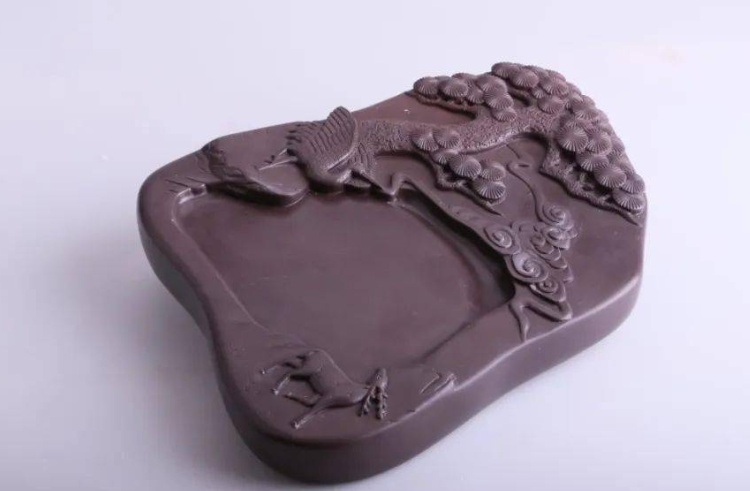
The exquisiteness of Tanzhe Purple Stone Inkstone lies in the ancient processes of “composing according to stone shape and meticulous carving”. The entire craft is completed by hand, involving six core procedures: mining, material sorting, blank making, carving, polishing and box matching, each testing the craftsman’s eyesight, touch and aesthetics. The mining process requires craftsmen to go deep into the mountain, judge the rock stratum trend by experience, and excavate by hand to maintain the integrity of the stone; material sorting and blank making are the fine processing of raw materials, removing impurities, trimming shapes, and planning carving themes according to the stone’s texture and color to maximize its beauty. Carving is the soul of the craft. Craftsmen use various techniques such as chiseling, poking, scraping, planing, hollowing and engraving, either carving shallow lines, relief patterns or hollowed-out shapes, pursuing clear and bright lines and combining ancient and modern motifs, inheriting the essence of Ming-Qing ancient inkstones while integrating natural charm.
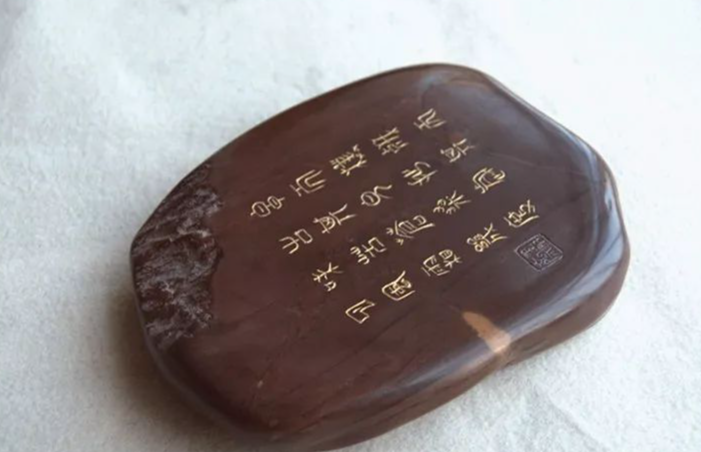
“Designing according to the stone’s natural features” is the core principle of Tanzhe Purple Stone Inkstone carving and the key difference from other inkstones. Craftsmen make full use of the natural color and texture of purple stone, carving dark parts into landscapes and mythical beasts, and light-colored textures into flowing clouds and plants, integrating manual carving with natural texture perfectly. For example, the handed-down Nine-Dragon and Hundred-Turtle Inkstone: craftsmen outlined the coiled posture of nine dragons according to the stone shape, used the depth of purple halo to show the layers of dragon scales, and the turtle shell lines fit the stone texture, being vivid and natural. The polishing process is equally rigorous, requiring multiple rounds of sandpaper polishing from coarse to fine until the inkstone surface is as smooth as a mirror with a delicate touch. Finally, it is matched with an exquisite wooden box to complete a finished work, taking days or even months.
Today, this ancient craft is revitalized under the persistence and innovation of inheritors. It has been passed down for more than four generations with a clear inheritance lineage. The new generation of craftsmen continues to expand the boundaries of the craft while adhering to ancient methods. The National Inkstone Art Museum located in the Park of Beijing Tanzhe Purple Stone Inkstone Co., Ltd. displays more than 100 ancient and contemporary inkstones. Among them, the set of inkstones “National Inkstone · Five Elements” with the theme of “gold, wood, water, fire and earth” combines traditional motifs with modern design concepts, becoming a representative of craft innovation. To popularize the craft, inheritors carry out activities such as craft exhibitions, workshop experiences and campus lectures, allowing more people to feel the charm of purple stone inkstone. They also launch small cultural and creative inkstones and decorative ornaments, bringing this imperial craft into daily life.
To experience the charm of Tanzhe Purple Stone Inkstone immersively, core venues are not to be missed. The National Inkstone Art Museum is the first choice. Here, you can not only appreciate masterpieces such as “National Inkstone · Five Elements” but also see a large number of celebrity calligraphy and painting works praising purple stone inkstone, systematically understanding the evolution of the craft. Intangible heritage workshops around Tanzhe Temple allow visitors to watch craftsmen demonstrate carving and polishing on site, witnessing the transformation of a piece of purple stone into an inkstone. Some experience programs let visitors touch purple stone by hand, feeling its unique texture. In addition, the Beijing Arts and Crafts Museum also displays rare Tanzhe Purple Stone Inkstones from past dynasties, from imperial inkstones to folk works, showing the historical depth and artistic value of the craft.
From an imperial treasure of the Ming and Qing dynasties to a contemporary intangible heritage gem, from a 200-million-year-old natural stone to an elegant study utensil carved with ingenuity, Tanzhe Purple Stone Inkstone carving carries not only a carving craft but also the crystallization of Chinese study Culture and craftsmanship. Each piece of purple stone hides the precipitation of time, each carving reflects the craftsman’s persistence, and each inkstone condenses the Oriental aesthetics spanning ancient and modern times. When you gaze at the warm purple charm and exquisite patterns of the inkstone, you can understand the Chinese pursuit of ultimate nature and craftsmanship, and feel the cultural heritage hidden in the stone and under the knife.





暂无评论内容