




The 15th day of the first lunar month, known as the Lantern Festival, also called Shangyuan Festival or Festival of Lights, is one of the most vibrant and culturally rich traditional festivals of the Chinese nation. Marking the grand conclusion of the Spring Festival celebrations, it embodies the ancient Chinese people’s yearning for reunion, light, and a better life. Passed down through thousands of years, it still shines brightly across China, serving as a vital window for foreign tourists to experience traditional Chinese Culture.
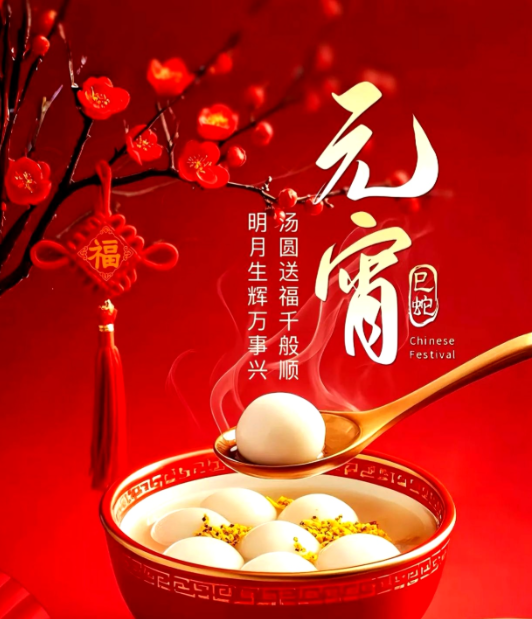
The origin of the Lantern Festival can be traced back to the Western Han Dynasty, initially linked to rituals of worship and warding off evil spirits. According to legend, during the reign of Emperor Wu of Han, grand sacrificial ceremonies were held on the 15th night of the first lunar month to honor Taiyi (the Supreme Deity of ancient times). The imperial palace was adorned with lanterns, and the folk followed suit, gradually forming the custom of displaying lanterns. In the Eastern Han Dynasty, Buddhism was introduced to China, and the Buddhist tradition of lighting lanterns to worship the Buddha on the 15th day of the first lunar month merged with local Culture, expanding the scale of lantern displays and solidifying the festival’s status. By the Sui and Tang dynasties, the Lantern Festival had become a national carnival. Chang’an, the imperial capital, was ablaze with lanterns, attracting crowds of visitors who celebrated throughout the night. After the Song Dynasty, more customs emerged, such as guessing lantern riddles and eating glutinous rice balls, adding fun and warmth to the festival.
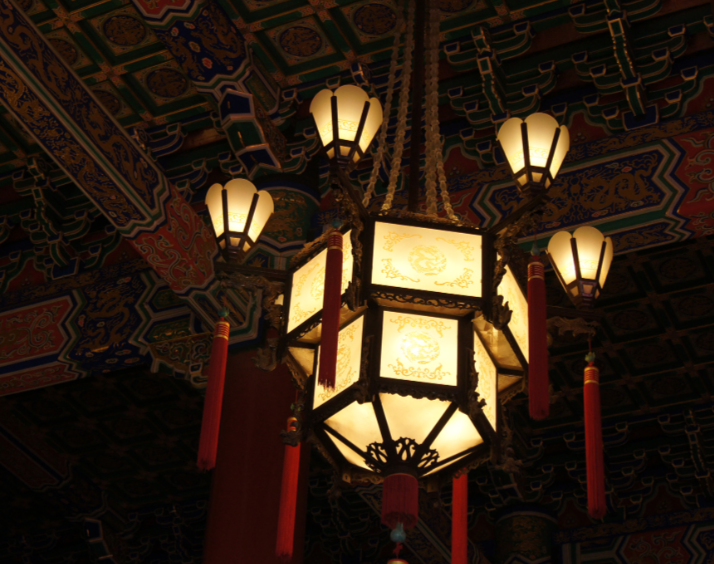
Admiring lanterns is the core custom of the Lantern Festival. As described in the poem by Xin Qiji, “East wind blooms a thousand trees at night; even more, petals fall like stars scattered by the wind,” the scene of countless lanterns lighting up the night is breathtaking. Every year during the festival, lantern exhibitions are held across China, featuring a wide variety of lanterns—from traditional palace lanterns, rotating lanterns, and lotus lanterns to modern creative light shows and thematic lantern sets, all in vivid colors and diverse shapes. Famous lantern exhibition venues include Ditan Temple Fair in Beijing, Yu Garden Lantern Festival in Shanghai, and Confucius Temple Lantern Festival in Nanjing. When night falls, thousands of lanterns are lit, weaving a magical world of light and shadow, where visitors wander and immerse themselves in the festive atmosphere. Lanterns are not only a visual feast but also carry auspicious meanings: round lanterns symbolize reunion, lotus lanterns represent purity, and dragon lanterns stand for strength and good fortune.
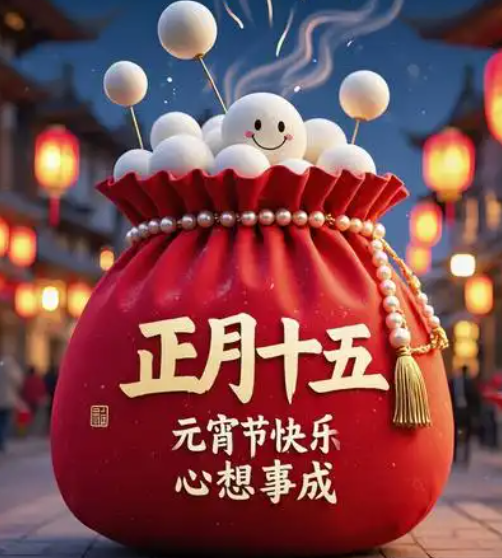
Eating glutinous rice balls (called “yuanxiao” in Northern China and “tangyuan” in Southern China) is an indispensable culinary custom of the festival. Originating in the Song Dynasty, they were initially named “fuyuanzi” (floating round balls) and later evolved into the present-day yuanxiao. Made of glutinous rice flour dough wrapped with fillings such as black sesame, peanuts, red bean paste, and jujube paste, yuanxiao taste soft, glutinous, and sweet. Their round shape symbolizes “reunion and perfection,” and families gathering to eat yuanxiao embodies the longing for a harmonious family. Today, yuanxiao has become a cultural symbol of the Lantern Festival. There are different ways to make them in different regions: rolling in northern China and wrapping in southern China, each with a unique flavor but the same emotional connotation.
Besides admiring lanterns and eating yuanxiao, the Lantern Festival boasts many other distinctive customs. Guessing lantern riddles, also known as “solving lantern riddles,” involves pasting notes with riddles on lanterns for visitors to guess. It not only adds fun to the festival but also showcases people’s wisdom, making it one of the most interactive activities during the Lantern Festival. Folk performances such as dragon and lion dances, stilt walking, and land boat rowing are also held, with gongs and drums roaring, creating a lively atmosphere that reflects the vitality of traditional Chinese Culture. In some regions, there is also the custom of “walking to ward off illnesses,” where people walk together on the night of the festival, hoping to drive away evil spirits and maintain good health.
After thousands of years of accumulation, the Lantern Festival has transcended its role as a mere festival and become a cultural carrier. It embodies the Chinese nation’s emphasis on reunion, pursuit of light, and inclusive cultural character. Today, with the increasing frequency of Sino-foreign cultural exchanges, the Lantern Festival has gradually gone global. Many cities around the world hold lantern exhibitions, folk performances, and other activities during the festival, attracting local residents and tourists. For foreign visitors, experiencing the Lantern Festival in China allows them not only to admire brilliant lanterns and taste delicious yuanxiao but also to deeply feel the cultural heritage and humanistic feelings of the Chinese nation, and understand the Chinese culture of reunion amid the festive warmth.




暂无评论内容