




Among the series of customs during China’s Spring Festival, visiting the wife’s parents on the second day of the first lunar month is a significant ritual embodying profound family ties and cultural connotations. On this day, married daughters return to their birth families with their husbands and children to reunite with their parents and siblings. It is not only a moment to share year-long concerns but also a solemn way to maintain family bonds. For foreign travelers, understanding this custom offers a deeper insight into the Chinese concept of “family” and the ethics of kinship.
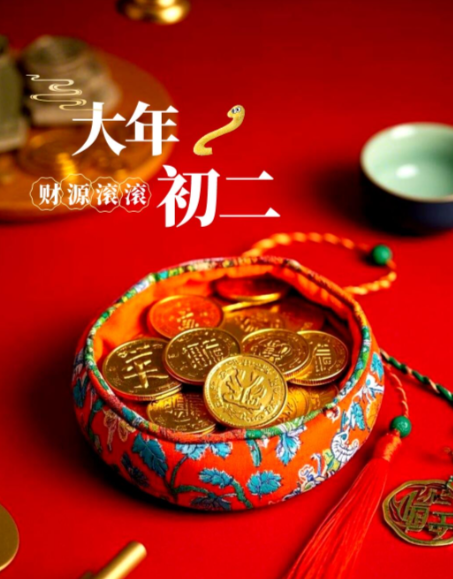
The origin of this custom can be traced back to the family structure and ethical norms of ancient society. In traditional agricultural civilizations, married daughters usually became part of their husband’s family, focusing on managing household affairs and serving their parents-in-law. As a result, they had limited opportunities to visit their birth families. As the most important festival for family reunion throughout the year, the Spring Festival provided a formal occasion for married daughters to return home. The timing of the second day of the first lunar month avoids the core family reunion on New Year’s Day and leaves room for the birth family’s subsequent visits to relatives, forming an orderly festival rhythm. Restrictions on women’s behavior in ancient rituals made “visiting the wife’s parents” more than a simple family visit; it became a socially recognized ceremony to safeguard family ties.
With the changes of the times, the form and connotation of “visiting the wife’s parents” have continued to enrich, but the core of family affection has never changed. Today, early on the second day of the first lunar month, many families begin to bustle: daughters and sons-in-law carefully prepare gifts, mostly tonics, fruits, and pastries, which not only reflect filial piety to their parents but also imply the good wish of “adding blessings and joy”. Parents, on the other hand, busy themselves in the kitchen early, cooking their daughter’s favorite dishes from childhood while waiting for their children’s return. During the reunion, the whole family sits around chatting—children share their work and life of the past year, parents urge them to take care of their health, and children play around. The room is filled with laughter, forming the warmest picture of the Spring Festival.
In addition to maintaining family ties, “visiting the wife’s parents” carries multiple cultural symbolic meanings. Firstly, it is a repayment for the parents’ nurturing kindness. By bringing gifts and accompanying their parents, daughters express gratitude and concern. Secondly, it symbolizes the harmony of family relations. The son-in-law’s visit is not only a respect for his parents-in-law but also a reflection of the in-depth connection between the two families. In many places, the custom of the son-in-law paying New Year’s greetings to his parents-in-law and the parents-in-law giving red envelopes in return is still retained, conveying mutual blessings. Thirdly, it is the continuation of family emotions. As a link between the birth family and the husband’s family, the married daughter integrates the emotions of the two families through this ritual, maintaining the cohesion of the clan.
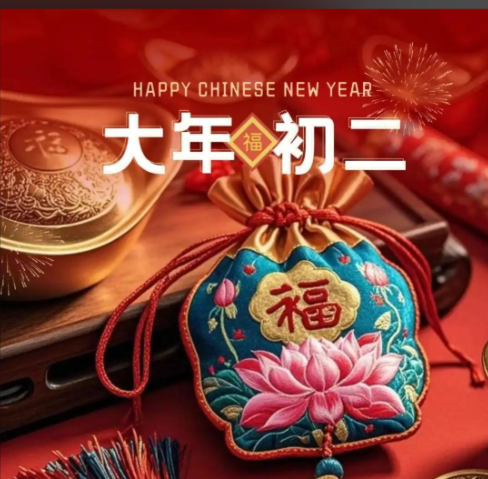
In modern society, despite the accelerated pace of life and frequent population mobility, many families live in separate places, but the custom of visiting the wife’s parents on the second day of the first lunar month is still widely observed. Even if they cannot reunite in person due to long distances, people will make up for the regret and send blessings through video calls and gift deliveries. For foreign travelers, if walking on the streets of China on the second day of the first lunar month, you may see groups of people carrying gifts and traveling with their families, feeling the family concern that transcends distance. This custom is not only an important part of China’s Spring Festival Culture but also reflects the Chinese people’s cherished love for “family” and adherence to family affection, serving as a key to understanding traditional Chinese Culture.





暂无评论内容