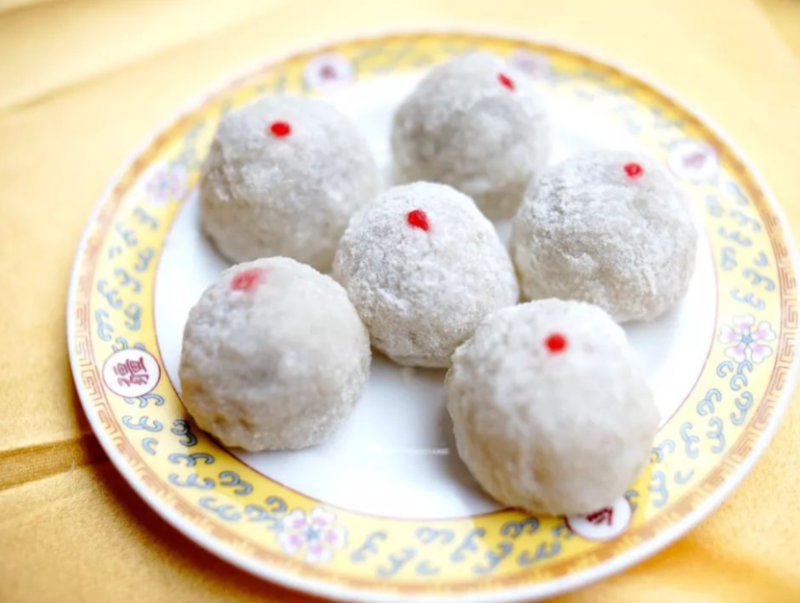





Among the glutinous rice snacks of old Beijing, Ai Wo Wo is a distinctive representative of “compound flavors”. Unlike Ludagun which relies on soybean flour for aroma, or Yundoujuan which focuses on the original taste of bean puree, it takes soft and chewy glutinous rice skin as the base, wrapped with various fillings such as sesame, walnut kernels and melon seeds. Each bite is full of the mellow aroma and sweetness of nuts, and it achieves a glutinous yet non-sticky texture through exquisite craftsmanship. As a Beijing-style snack suitable for all ages and seasons, it is an excellent choice for foreign tourists to experience the charm of Chinese glutinous rice desserts.
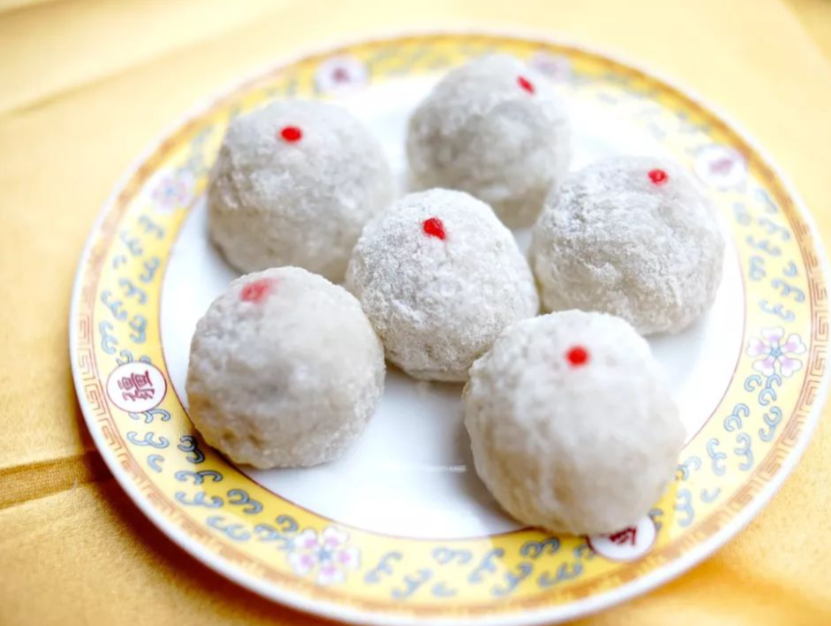
The origin of Ai Wo Wo can be traced back to the Yuan Dynasty, with a profound historical heritage, and its name also carries a touch of street warmth. According to legend, a similar snack named “Bu La Jia” existed in the Yuan Dynasty court, which later spread to the folk. After being improved by old Beijing craftsmen, the types of fillings were enriched and the glutinous rice processing technology was adjusted, gradually evolving into today’s Ai Wo Wo. Regarding its name, one saying is that the glutinous rice skin needs to be repeatedly kneaded until smooth and tough, a process like “nestling and kneading”, and because the finished product is small and round, it is named “Ai Wo Wo” (in some regions, wormwood juice is added according to the season, while traditional Beijing versions mostly use original glutinous rice skin). After hundreds of years of inheritance, Ai Wo Wo has evolved from an affordable street snack to a classic delicacy with both popular attributes and flavor texture, always rooted in the taste memories of old Beijingers.
The soul of Ai Wo Wo lies in the “flexibility of the glutinous rice skin” and the “golden ratio of fillings”, which together create its core traits of being glutinous, sweet, non-sticky and layered in flavor. Authentic Ai Wo Wo has strict requirements for raw materials: round glutinous rice with plump grains and moderate stickiness must be used instead of long glutinous rice. Round glutinous rice has a warm and chewy taste after steaming, and can form a tough outer skin after kneading, which is not easy to break or stick to teeth. The filling needs to be a combination of multiple ingredients, including roasted black sesame, skinned walnut kernels, roasted melon seeds, and can also add raisins, hawthorn diced and osmanthus sugar according to preferences, which not only enriches the taste but also neutralizes the sweetness to avoid greasiness.
The processing of glutinous rice skin is the key to Ai Wo Wo’s non-sticky texture and also a core step that tests craftsmanship. During production, first soak round glutinous rice for 6-8 hours in advance until the grains are fully swollen with water, take them out, drain, put into a steamer, add water and steam over high heat for about 30 minutes until the glutinous rice is completely cooked and can be crushed with fingers. Pour the steamed glutinous rice into a clean basin, and repeatedly press and knead it with the back of a rolling pin while it is hot. During the process, spray a small amount of warm water until the glutinous rice forms a delicate, sticky and tough rice ball, then cover with a damp cloth and let it cool until it is not hot. The kneading process can fully stimulate the stickiness of glutinous rice, making the rice ball form a compact structure, which is the core reason for its chewy, non-sticky texture. The texture of hand-kneaded rice balls is far better than machine-pressed ones.
The preparation of fillings is also exquisite, requiring pre-treatment of each ingredient to ensure flavor integration. Black sesame needs to be stir-fried slowly over low heat until fragrant, then ground into powder after cooling to enhance aroma and delicacy; walnut kernels are baked slightly in the oven and chopped to retain the crispness and mellow aroma of nuts; melon seeds are roasted and cleaned to keep the grains intact; mix these ingredients with an appropriate amount of soft white sugar and a little osmanthus sugar. The filling should be moderately dry and wet, which can be easily wrapped without soaking the glutinous rice skin due to excessive water and affecting the taste. traditional fillings do not add too much sugar, focusing on the natural sweetness of the ingredients to highlight the pure original flavor.
The wrapping and shaping process is not complicated, but it requires gentle techniques. Take an appropriate amount of cooled glutinous rice ball, roll it into a small round ball with a diameter of about 3 centimeters, press a depression in the middle of the ball with the thumb to form a “nest shape” (which is also one of the origins of Ai Wo Wo’s name), put an appropriate amount of filling (about half of the glutinous rice skin), then gently close the mouth with fingers to completely wrap the filling, and roll it into a smooth and round ball. A piece of Ai Wo Wo is completed. High-quality Ai Wo Wo has uniform size, round shape, white and compact glutinous rice skin. When cut open, clear filling particles can be seen, without damage or filling overflow.
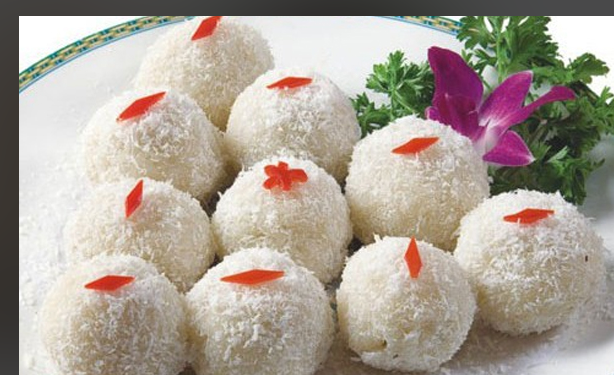
The authentic eating method can maximize the flavor of Ai Wo Wo. Ai Wo Wo can be eaten at room temperature without heating, and the taste is more refreshing after refrigeration, suitable for summer heat relief; it can be slightly warmed in winter to avoid the glutinous rice being too cold to stimulate the stomach and intestines. Chew gently after taking a bite, first feel the soft and chewy glutinous rice skin, then the richness of black sesame, the crispness of walnut kernels and the freshness of melon seeds. Various flavors interweave, with just the right sweetness, not cloying or sticky, and a faint osmanthus fragrance in the aftertaste. For matching, it can be paired with warm almond tea or barley tea. The tea aroma can neutralize the slight sweetness and enhance the taste layers; it can also be combined with Wandouhuang and Yundoujuan to create a one-stop Beijing-style dessert experience.
To taste the most authentic Ai Wo Wo, you can’t go wrong with time-honored brands that adhere to traditional craftsmanship. Huguosi Snacks (multiple branches) offers classic Ai Wo Wo, with flexible and non-sticky glutinous rice skin, balanced filling ratio and moderate sweetness, high cost performance, making it the first choice for foreign tourists trying it for the first time. Niujie Hongji Snacks (Niujie Store) uses solid ingredients for its Ai Wo Wo, with sufficient nut fillings, rich aroma and warm glutinous rice taste, loved by old Beijingers. Baiji Rice Cake (Niujie Store) offers Ai Wo Wo with optional fillings, and you can also try the sweet and sour version with hawthorn diced, suitable for tourists who prefer rich tastes. Old pastry shops in alleys may also hide surprises. Freshly made Ai Wo Wo has a more flexible glutinous rice skin and fresher fillings.
There are several practical tips for tasting Ai Wo Wo to help foreign tourists better unlock this delicacy. First, eating time: it is best to eat immediately after making, when the glutinous rice skin is most chewy and the filling is most fragrant. The glutinous rice skin tends to harden when cooled, affecting the taste. Second, flavor adaptation: if you don’t like overly sweet food, you can choose the version with hawthorn diced for a refreshing sweet and sour taste. Third, storage method: freshly made Ai Wo Wo can be stored at room temperature for 2-3 hours, and refrigerated for 1 day after sealing. It can be slightly warmed before eating again to restore the glutinous texture. Fourth, portion control: glutinous rice is not easy to digest, and the filling has a high nut content, so it should be eaten in moderation to avoid gastrointestinal discomfort.
Beijing Ai Wo Wo has no gorgeous appearance or profound intangible cultural heritage aura, but it occupies a place in old Beijing’s snacks with its glutinous and chewy texture and rich fillings. It hides in the windows of time-honored brands and in the morning street charm, carrying the daily warmth of old Beijing and the persistence in original flavors. For foreign tourists, tasting Ai Wo Wo is not only a sweet taste experience but also an immersive opportunity to experience Chinese glutinous rice dessert craftsmanship — in a bite of glutinousness, fragrance and sweetness, understand the simplicity and exquisiteness of old Beijing snacks.








暂无评论内容