




Among the diverse array of old Beijing snacks, Jiangzhi Paicha (Ginger Syrup Fried Dough Strips) stands out uniquely. It is not only a classic street delicacy but also a recognized “Chinese Famous Snack” due to its distinctive sweet-spicy flavor, becoming a iconic food carrying Beijing’s culinary Culture. This crispy dough snack, fried to perfection and coated with rich ginger syrup, offers a taste experience that starts with sweetness and ends with a subtle spice, combining the crispness of dough-based treats with the warmth of ginger. Breaking the monotony of traditional sweet snacks, it is an ideal choice for foreign tourists to explore authentic Beijing flavors and the heritage of Chinese cuisine.
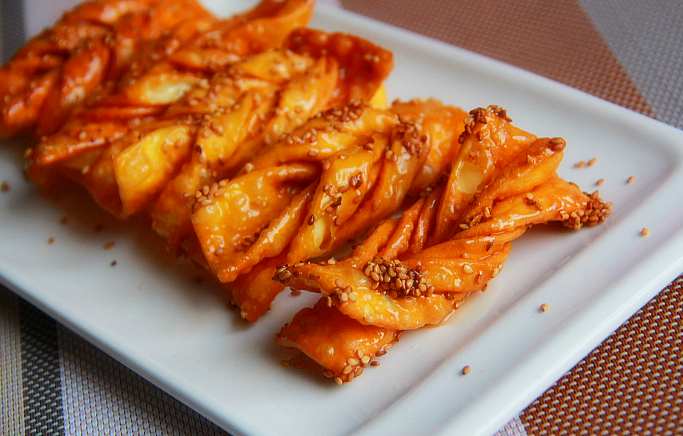
The origin of Jiangzhi Paicha dates back to the late Qing Dynasty and early Republic of China, with a profound folk culinary heritage. Its name directly reflects its shape and craftsmanship: “Paicha” refers to the crossed comb-like shape formed by twisting dough strips before frying. In the early years, it was a seasonal snack in old Beijing households, especially popular in autumn and winter—ginger helps dispel cold and warm the body, while the sweet syrup satisfies the taste buds, making it perfect for relieving winter chill. Later, this snack gained popularity in street pastry shops with its excellent taste. After hundreds of years of inheritance and improvement, its craftsmanship became increasingly sophisticated, eventually earning the title of “Chinese Famous Snack” and elevating from a street food to a cultural symbol of regional cuisine. It remains a beloved traditional delicacy among old Beijingers to this day.
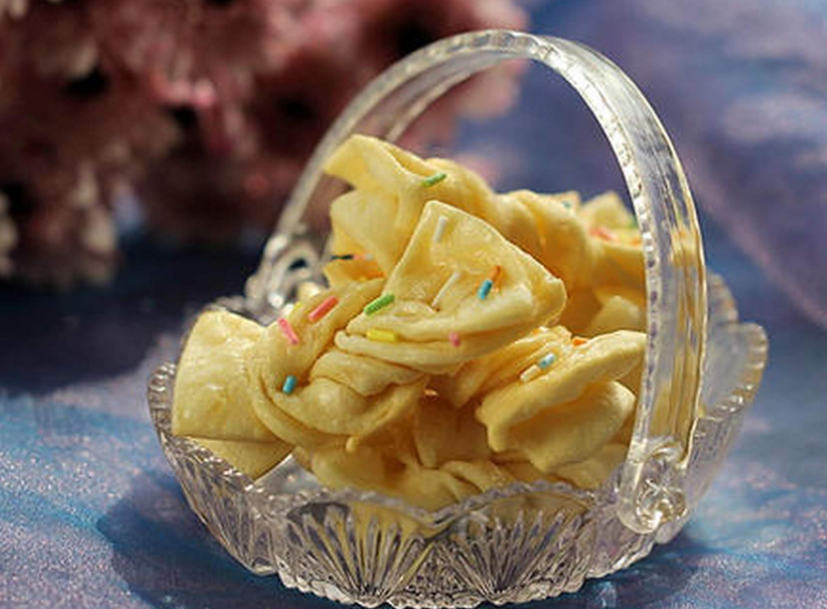
The soul of Jiangzhi Paicha lies in the perfect integration of “crispy dough” and “ginger syrup”, which together create its core trait of sweet with a hint of spice and layered taste. Authentic Jiangzhi Paicha has strict requirements for raw materials, and each ingredient directly affects the final flavor: medium-gluten flour is used, mixed with warm water, a small amount of edible oil and eggs to knead into a dough of moderate hardness. Eggs enhance the fluffiness and crispness of the dough, while edible oil makes it easier to shape and less likely to burn; fresh and juicy young ginger is selected, peeled and mashed into ginger juice, then boiled with rock sugar and maltose to make syrup. Rock sugar provides a sweet base, maltose increases viscosity to help the syrup cling to the dough, and the spiciness of ginger neutralizes greasiness, forming a unique flavor.
The production process seems simple, but every step—kneading dough, shaping, frying, and coating with syrup—requires exquisite craftsmanship. Especially the dough processing and syrup boiling directly determine the texture and flavor of the finished product. First, knead and proof the dough: mix medium-gluten flour with warm water, eggs and edible oil, knead repeatedly until the dough is smooth and elastic, cover with a damp cloth and proof for 30 minutes. A fully proofed dough has good ductility, allowing it to be rolled very thin without breaking; then shape the dough: roll the proofed dough into a uniform thin sheet, about 1-2 millimeters thick, cut into strips 2 centimeters wide and 5 centimeters long with a knife. Twist both ends of each strip inward to form a crossed “Paicha” shape, and press the edges firmly to prevent spreading during frying.
Frying and syrup coating are the key steps to achieving the flavor of Jiangzhi Paicha. For frying, pour a sufficient amount of peanut oil into the pot and heat it to 160-170℃, when the oil surface is calm without violent boiling. Put the raw Paicha into the pot in batches to avoid overcrowding. Gently turn them with chopsticks to ensure even heating on all sides, fry until golden and crispy with a light texture, then take out and drain the oil thoroughly—excess oil will make the Paicha soft after coating with syrup. Syrup boiling should be done simultaneously: add ginger juice, rock sugar, maltose and a small amount of water to the pot, boil slowly over low heat while stirring constantly until the syrup becomes thick and translucent. It is ready when it can solidify into a semi-soft state and pull out thin threads when dropped into cold water. Immediately put the fried Paicha into the syrup while it is hot, flip quickly to coat evenly with a layer of syrup, take out and cool in a well-ventilated place for a while to let the syrup set naturally. An authentic Jiangzhi Paicha is then ready.
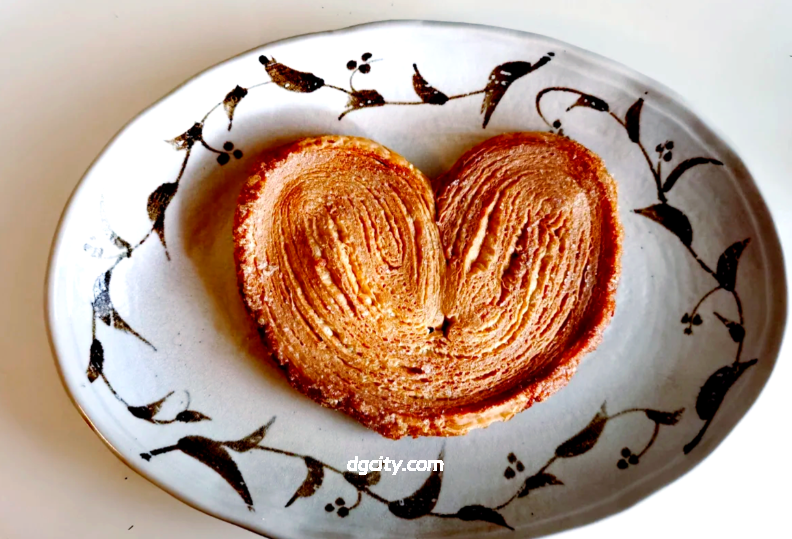
High-quality Jiangzhi Paicha has distinct characteristics: it is golden and cross-shaped in appearance, coated with crystal-clear syrup, looking attractive; it has a rich layered texture—the outer layer is crispy and dry, making a “crunch” sound when bitten gently, melting in the mouth without grittiness, while the inside is slightly moistened by the syrup; in terms of flavor, it first offers the sweetness of rock sugar and maltose, followed by a subtle spiciness of ginger spreading slowly on the tongue. It is sweet but not cloying, spicy but not pungent, with a lingering aftertaste of dough and ginger, becoming more flavorful as you chew. The traditional way to eat it is plain, and it tastes best when freshly made, with the perfect combination of crispness, sweetness and spiciness. Old Beijingers prefer to pair it with a bowl of warm scented tea or Douzhi (fermented soybean milk). The fragrance of scented tea can reduce the slight spiciness, while the salty and fresh taste of Douzhi contrasts with the sweet and spicy, adding more layers to the taste buds.
To taste the most authentic Jiangzhi Paicha, you can’t go wrong with time-honored brands that adhere to traditional craftsmanship. Most of these brands retain hand-made techniques to restore the original flavor of this Chinese famous snack: Huguosi Snacks (multiple branches) is a classic choice. Its dough is fried crispy without greasiness, the ginger syrup is proportioned accurately with a balanced sweet-spicy taste and high cost performance, making it the first choice for foreign tourists trying it for the first time; Jinfang Snacks (Ciqikou Store), as a century-old time-honored brand, inherits ancient craftsmanship. Its Paicha is evenly coated with syrup, with a stronger ginger flavor, suitable for tourists who prefer a bolder taste. In addition, traditional pastry shops around Niujie also sell it. Freshly made Jiangzhi Paicha is full of street charm, allowing tourists to experience the purest old Beijing flavor.
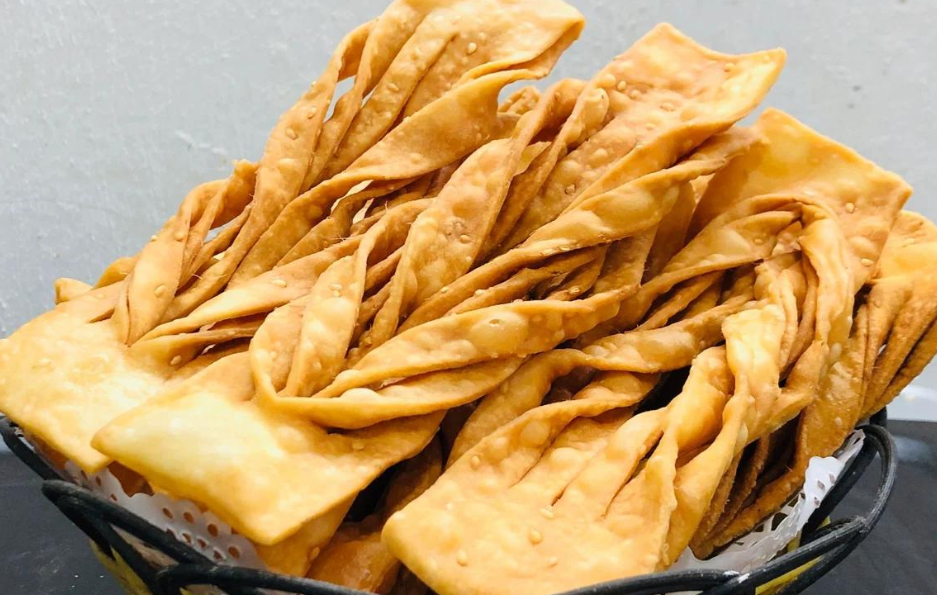
There are several practical tips for tasting Jiangzhi Paicha to help foreign tourists better unlock this delicacy. First, eating time: it is best to eat immediately after making, when the outer layer is crispest and the syrup flavor is strongest. The dough will absorb moisture and become soft when cooled, and the sweet-spicy taste will fade; second, flavor adaptation: the subtle spiciness of ginger is mild. If you don’t like spiciness, you can ask the shopkeeper to drizzle less syrup, or pair it with a sweet drink to neutralize; third, storage method: freshly made Jiangzhi Paicha is recommended to be eaten the same day. For short-term storage, seal it and place it at room temperature for no more than 6 hours. Before eating again, it can be heated in the oven for 1 minute to restore the crispy texture; fourth, eating precautions: the syrup will become slightly sticky after cooling, so you can use a napkin while eating to avoid getting your hands dirty.
Beijing Jiangzhi Paicha has no royal elegance of imperial snacks, but with its unique sweet-spicy flavor and exquisite traditional craftsmanship, it has become a classic delicacy recognized as a “Chinese Famous Snack”. It hides in the pastry cabinets of time-honored brands, in the street charm of autumn and winter, and in the taste memories of old Beijingers, interpreting the ingenuity of Chinese cuisine with the simplest ingredients. For foreign tourists, tasting Jiangzhi Paicha is not only a novel taste experience but also an immersive opportunity to feel Chinese food Culture—in a bite of crispy sweet and spicy, understand the inclusive and unique culinary heritage of this city.




暂无评论内容