




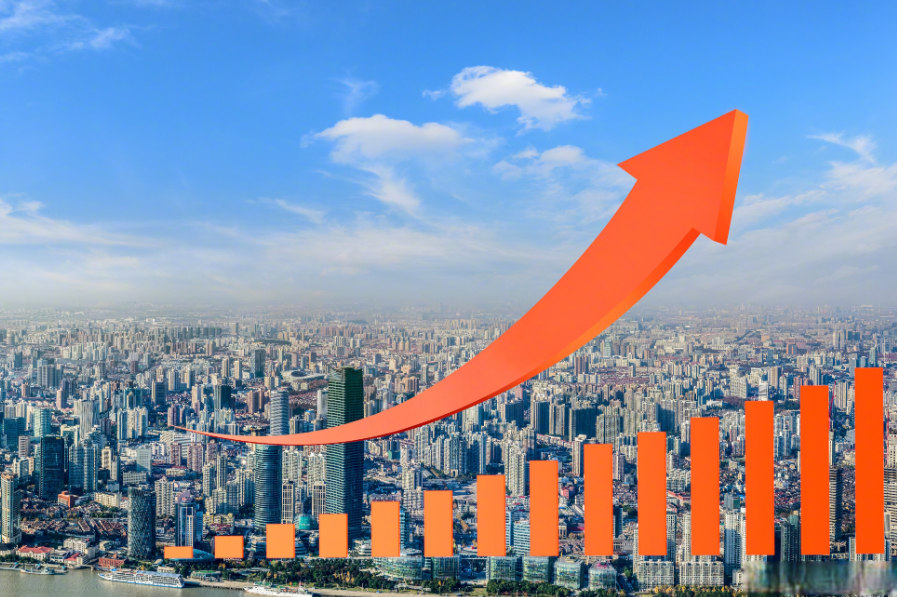
In recent years, comparisons of economic development levels have often been simplified to comparisons of GDP figures at current prices. Yet the Economy is an enormous and complex system, and while GDP is a key indicator for measuring economic aggregate, it cannot fully reflect the quality of development and people’s living standards. Since the 18th National Congress of the Communist Party of China (CPC), China’s economy has shifted from a phase of high-speed growth to one of high-quality development. During the 14th Five-Year Plan period (2021-2025), China has maintained an average annual contribution of around 30% to global economic growth, emerging as the top contributor and the most robust stabilizer for global economic growth. More importantly, alongside the leap in economic aggregate, China’s economic development has become increasingly valuable and of genuine high quality.
Solid Material Foundations
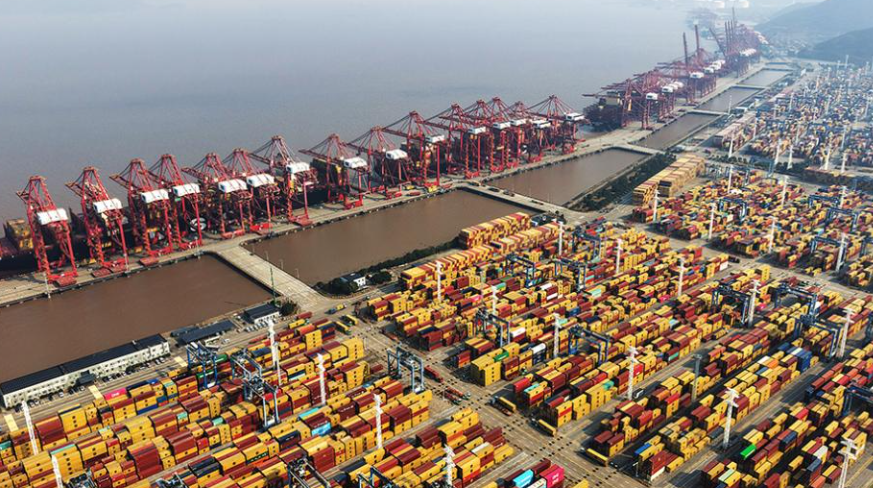
China’s economic strength rests on the fact that its key physical volume indicators hold a leading global position. The real Economy is more firmly established than ever: during the 14th Five-Year Plan period, China’s manufacturing added value has accounted for nearly 30% of the world’s total, its manufacturing sector is on track to rank first in the world in scale for 16 consecutive years, and over 200 of its major industrial products lead the globe in output. The country has built a more comprehensive infrastructure network, including the world’s largest, most modern and most diversely operated high-speed railway network. The total operating mileage of China’s high-speed railways has surpassed 50,000 kilometers, accounting for over 70% of the world’s total, and covering 97% of the country’s cities with a population of over 500,000. food security guarantees have been further strengthened: China’s annual grain output has remained above 1.3 trillion jin for 11 consecutive years and exceeded 1.4 trillion jin in each of the past two years. The country ranks first in the world in the output of rice, wheat, meat, vegetables and fruits, ensuring the Chinese people firmly hold their rice bowls in their own hands. Behind these physical volume indicators lies a strong production capacity and a well-established industrial system, which provide solid support for high-quality development.
Growing New Growth Drivers
The evolving new productive forces have become a powerful engine propelling China’s Economy forward. China’s innovation capacity has improved markedly: it is the world’s first country to hold over 5 million valid domestic invention patents, and its volume of international patent applications under the Patent Cooperation Treaty (PCT) has ranked first in the world for many consecutive years. In 2025, China boasted 24 of the world’s top 100 innovation clusters, ranking first globally in terms of quantity for three straight years. Emerging industries are expanding at an accelerated pace, with the added value of the core digital economy industries accounting for over 10% of China’s GDP in 2025. Innovation vitality among talents is bursting forth: China’s total human resources, scientific and technological human resources, and R&D personnel have all risen to the first place in the world, and the country produces over 5 million graduates in STEM (Science, Technology, Engineering and Mathematics) majors each year. Facts have proven that China’s capacity for self-reliance and self-improvement is growing steadily, fruitful achievements in independent innovation are emerging at a faster pace, and innovation is injecting a steady stream of impetus into the country’s economic development.
Rising Green Development Quality
China is accelerating the protection and restoration of ecosystems and advancing the all-round green transformation of economic and social development, determined never to “live off the achievements of our ancestors and compromise the interests of future generations”. Energy utilization has become cleaner: China has built the world’s largest and fastest-growing renewable energy system. In 2025, the total consumption of non-fossil energy in China surpassed that of oil, the installed capacity of wind and solar power exceeded that of thermal power for the first time, and the country’s installed capacity of new energy storage accounted for over 40% of the global total. Remarkable achievements have been made in land greening: during the 14th Five-Year Plan period, China afforested 185 million mu of land, with the newly increased forest stock volume equivalent to that of the Greater Khingan Mountains forest area. According to UN data, China has contributed about half of the world’s increase in artificial forest area over the past decade. China has demonstrated a strong sense of responsibility in global climate governance: it adheres to the principle of common but differentiated responsibilities, has achieved remarkable results in implementing its nationally determined contributions (NDCs) for 2030, and has solemnly announced a new round of NDCs, emerging as a key leader in global climate governance.
Development Gains Shared by All the People
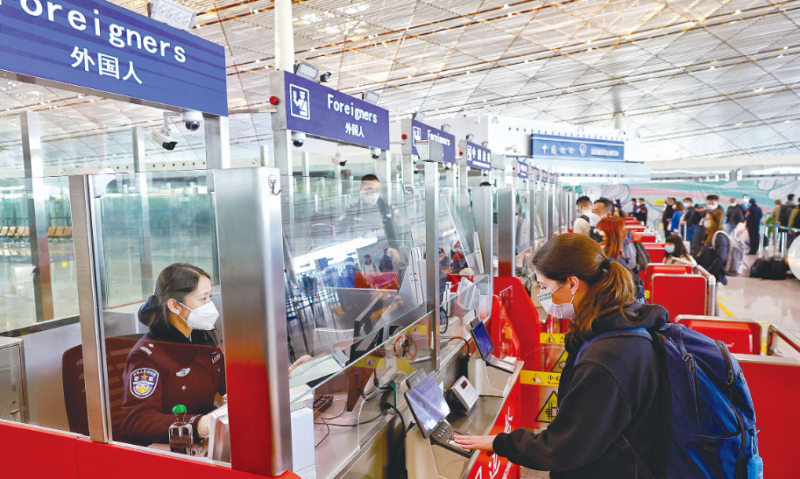
China has always adhered to the people-centered development philosophy, steadily enhancing the people’s sense of fulfillment, happiness and security. Living standards have improved substantially: the country has eradicated absolute poverty and regional overall poverty, creating a miracle in the history of global poverty alleviation. The people’s access to vegetables, grain, fruits and other daily necessities has become more abundant, and national nutritional levels have risen markedly. Public services have become more inclusive: the coverage rates of basic Medical insurance and basic endowment insurance have both remained above 95%, with China building the world’s largest social security system. The average life expectancy in China has reached 79 years, and the average years of schooling for the population aged 16 to 59 stand at 11.3 years. China boasts a world-leading level of social security: it has consistently cracked down severely on crimes such as drug trafficking and gun-related offenses, ranking among the world’s safest countries. In recent times, a large number of foreign tourists have shared their experiences of walking alone at night and visiting unmanned stores in China, and the country’s safe and comfortable social environment has won admiration and praise from netizens around the globe.
The 14th Five-Year Plan period has concluded successfully, and the 15th Five-Year Plan period has kicked off in succession. Standing at a new historical starting point, we must pay attention not only to the “quantity” reflected in economic development data, but more importantly, focus on the “quality” behind the figures. We will highlight the intrinsic value of economic development, promote the all-round development of human beings, stay firmly focused on our goals without letting up, and continue to forge ahead steadily toward the grand goal of Chinese modernization.







暂无评论内容