




In Shanghai, a city where modernity and tradition coexist, besides the brilliance of the Bund and the fame of Yu Garden, there is a niche secret hidden in Minhang District — Guten Garden. It does not win with its grand scale, but is famous for a millennium wisteria, perfectly integrating the delicacy of Jiangnan gardens, the natural wildness of ancient trees and flowers, and profound humanistic heritage. It is open to the public free of charge without complicated reservations, making it an ideal place for foreign tourists to escape the hustle and bustle of the city and immersive experience Chinese classical aesthetics and natural vitality. Different from the crowded popular gardens, Guten Garden is quiet and secluded, with every scenery hiding the tenderness of time and every wisp of flower fragrance carrying the local Culture of Shanghai, allowing foreign tourists from afar to understand the unique charm of the “small but beautiful” Jiangnan gardens between a vine, a pavilion and a path.
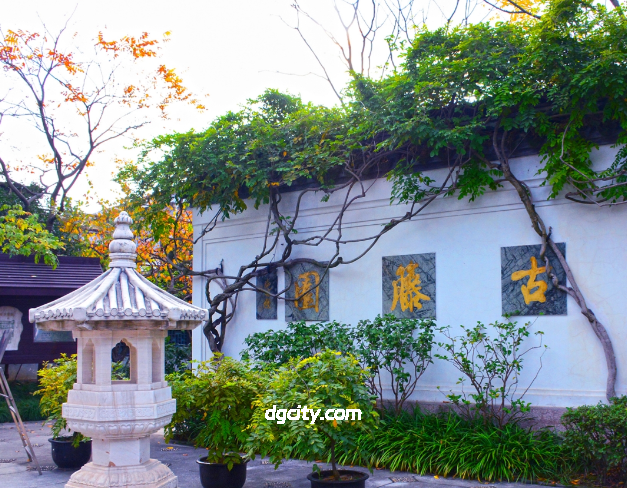
Shanghai Guten Garden is located at No. 148 Lincang Road, Minhang District, in the core area of Minhang cultural tourism, adjacent to a tributary of the Huangpu River. With a superior geographical location and relying on Shanghai’s improved public transportation network, foreign tourists can easily reach it. As a representative classical garden in Minhang District, Guten Garden does not cover a large area, but is exquisitely laid out with scenery at every step. It follows the Jiangnan garden’s gardening concept of “changing scenery with each step and integrating virtual and real” as a whole, taking the “ancient wisteria” as the core, connecting classic elements such as pavilions, corridors, pools and rock piles. It not only retains the gentleness and restraint of Jiangnan gardens, but also integrates the local cultural characteristics of Shanghai. Tracing its origin, the original purpose of building Guten Garden is to protect the millennium wisteria known as “the best in Shanghai” in the garden. This wisteria was first planted during the Jiajing period of the Ming Dynasty. After nearly 500 years of trials and hardships, it is still flourishing and blooming every year, becoming the soul of Guten Garden and witnessing the urban changes of Shanghai for hundreds of years.
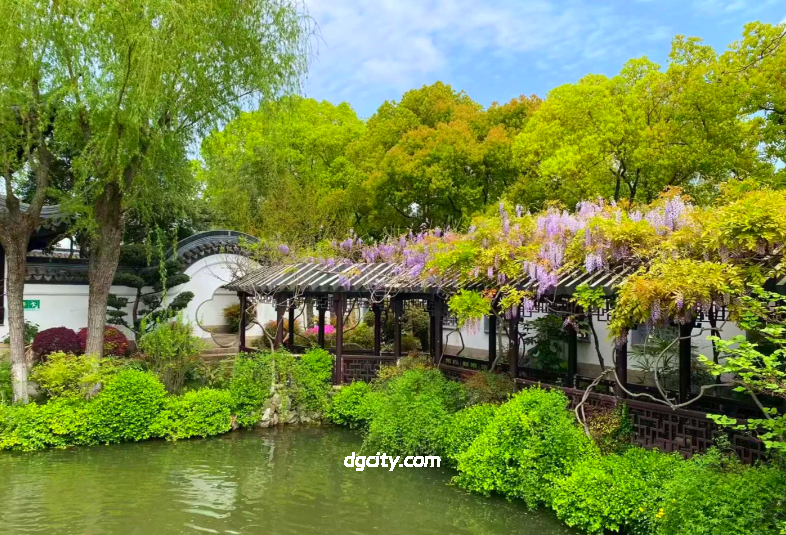
For foreign tourists, the most attractive feature of Guten Garden is its unique “ancient wisteria charm”, quiet atmosphere, and different Natural Scenery in four seasons. Spring is the most beautiful season of Guten Garden and the most worthwhile time for foreign tourists to visit. Every March to April, the millennium wisteria usher in its full bloom period. The grayish-brown old vines twist and twine like giant dragons, and the light purple and white flower spikes hang down from the branches, layer upon layer, dense and scattered. When the breeze blows, the flower shadows sway and the faint fragrance floats, covering the entire garden in a romantic and hazy poetry. Entering the garden at this time is like stepping into a fairy-tale world. Foreign tourists can walk under the wisteria trellis, look up at the flowers all over the sky, touch the lines of the century-old wisteria, and feel the weight of time; they can also sit on the stone benches beside the trellis, quietly appreciate the scenery, take photos and punch in, and freeze this unique tenderness and romance of Jiangnan spring.
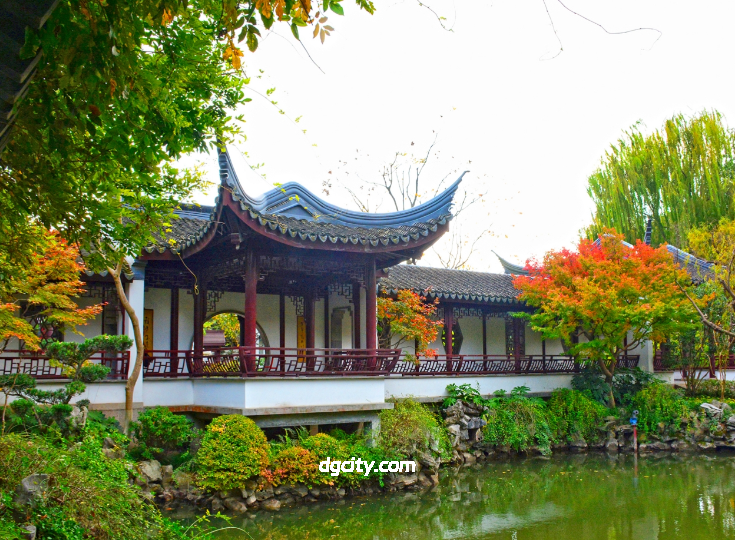
In addition to the core landscape of the millennium wisteria, other sceneries in Guten Garden also have a strong Chinese charm and are worth exploring by foreign tourists carefully. The garden is exquisitely laid out, with bluestone slab roads winding and connecting various landscapes. The surrounding green plants are lush. In addition to wisteria, there are various flowers and trees such as peonies, Chinese roses, crabapples and green bamboos, with scenery in all seasons — blooming flowers in spring, lush green trees in summer, golden leaves dotted on the paths in autumn, and sparse shadows slanting in winter. The pavilions and terraces in the garden are simple and elegant, all adopting the traditional Jiangnan architectural style, with overhanging eaves, dark tiles and red pillars, complementing the surrounding flowers, trees, pools and rock piles. Among them, the most representative is the “Guten Pavilion” beside the wisteria trellis. The pavilion is elaborately carved with exquisite patterns, including traditional auspicious patterns and wisteria flower shapes. Foreign tourists can rest and enjoy the scenery here, avoid the scorching sun and wind and rain, and while sitting quietly, they can enjoy the whole garden scenery, hear the flowers and birds singing, and immersive experience the poetic realm of “walking in a painting”.
The pools and rock piles in Guten Garden, though small in scale, fully show the essence of Jiangnan gardens. The artificial pool in the garden is clear to the bottom, and the winding water system runs through the whole garden. Both sides of the pool are dotted with Taihu stones, which are of different shapes and exquisite. The stones are covered with moss and vines, showing natural wildness. When the breeze blows, the pool water ripples, reflecting the shadows of pavilions, flowers, trees and the sky, with swaying light and shadow, gentle and moving, fully showing the tenderness of Jiangnan water towns. There are also koi fish raised in the pool, which are colorful and playing in it, adding a little vivid vitality to the quiet garden. Foreign tourists can stop by the pool, feed the koi fish, and feel this simple pleasure. The rock piles are made of natural stone, simulating the trend of mountains and rivers, with scattered heights and integration of virtual and real, complementing the pool water, pavilions and flowers, forming a well-proportioned and hierarchical garden picture.
As a garden with both Natural Scenery and humanistic heritage, Guten Garden also hides many humanistic marks, allowing foreign tourists to feel the local Culture of Shanghai while enjoying the beautiful scenery. There is a small exhibition area in the garden, displaying historical materials, pictures related to the millennium wisteria, and introductions to Shanghai’s local classical gardens, with Chinese and English descriptions, facilitating foreign tourists to understand the historical origin and cultural connotation of Guten Garden. In addition, there are many inscriptions and stone carvings left by literati in the garden, with beautiful fonts and profound artistic conceptions. Although most of them are in Chinese, they are accompanied by English translations. Foreign tourists can read the poems here, feel the charm of Chinese traditional Culture, and understand the ancients’ praise and perception of nature and time. As an important node in Minhang’s cultural tourism line, Guten Garden also often holds small cultural activities, such as the Wisteria Culture Festival and traditional handicraft exhibitions. If foreign tourists happen to visit during the activities, they can also experience Chinese traditional handicrafts up close and feel the cultural vitality of Shanghai’s local area.
To help foreign tourists better feel the charm of Guten Garden, the garden is equipped with complete supporting facilities, which are suitable for the visiting habits of foreign tourists. There are rest areas in the garden, distributed beside various landscapes, providing stone benches, long chairs and other rest facilities, convenient for foreign tourists to rest at any time; there are clear Chinese and English signs along the way, marking the locations of each landscape area, toilets, exits, etc., to avoid foreign tourists getting lost; the toilets are clean and tidy, equipped with basic toiletries, and have Chinese and English signs, which are very convenient. In addition, although there is no large cultural and creative store in the garden, there is a small sales point at the entrance, selling various small souvenirs with both Chinese charm and practicality, such as bookmarks, postcards and key chains in the shape of wisteria flowers. Foreign tourists can choose their favorite souvenirs here and take the charm of Guten Garden home. There are various catering facilities around Guten Garden, covering authentic Shanghai local cuisine and exotic flavors, with affordable prices, convenient for foreign tourists to taste food and replenish energy after visiting.
It is very convenient to get to Guten Garden. Foreign tourists can easily reach it by relying on Shanghai’s public transportation network, without worrying about inconvenience. The most convenient way is to take the Subway. Take Metro Line 5 to Beiqiao Station, exit from Exit 2, then transfer to Bus Minhang No. 11 or Minhang No. 30, get off at Lincang Road Huming Road Station, and walk about 5 minutes to reach the entrance of Guten Garden; you can also take Metro Line 1 to Xinzhuang Station, transfer to Bus Xinhai Special Line, get off at Huming Road Lincang Road Station, and walk about 10 minutes to reach it. If you choose to travel by bus, you can check the surrounding bus routes. In addition to the above routes, there are many other routes such as Minhang No. 29 and Jiangchuan No. 2 that can reach near Guten Garden, and you can walk to enter the garden after getting off. If you choose to drive by car, there are a few free Parking lots around Guten Garden, making parking convenient, suitable for family trips or traveling with friends, without worrying about parking inconvenience. It should be noted that Guten Garden is adjacent to other cultural tourism attractions, and foreign tourists can visit them in a series to enhance their travel experience.
Foreign tourists need to know in advance about the precautions for the visit to ensure a smooth and pleasant tour. Guten Garden is open free of charge all year round without reservation. The opening hours are 06:00—18:00 (admission stops at 18:00). It is recommended that foreign tourists go there from 9:00—11:00 in the morning or 14:00—16:00 in the afternoon. At this time, the light is soft, suitable for taking photos, and there are fewer tourists, so you can better feel the quiet atmosphere of the garden. During the visit, respect the garden landscape, do not climb or paint pavilions, rocks, flowers and trees and other landscape facilities at will, especially the millennium wisteria. Do not pull or break the vines and flower branches, and jointly protect this gift of nature and history; do not litter or spit everywhere, do not bring pets into the garden, and jointly maintain the cleanliness and tranquility of the garden. When taking photos, follow the on-site regulations. You can take photos of natural landscapes and buildings at will without worrying about restrictions. In addition, it is recommended that foreign tourists wear comfortable flat shoes because there is a lot of walking in the garden, and the bluestone slab road is relatively smooth, so wearing flat shoes is more convenient and safe; when visiting in summer, you can bring a sun hat, sunscreen and drinking water to avoid sunburn; when going to appreciate the wisteria in spring, you can bring a thin coat because the temperature difference between morning and evening is large, so as to avoid catching cold.
After visiting Guten Garden, foreign tourists can also visit the surrounding niche scenic spots and start a Minhang cultural tourism and leisure trip to fully feel the local charm of Shanghai. Guten Garden is adjacent to Hanxiang Water Expo Garden and Jinshi Yizhuang Exhibition Hall, and not far from Maqiao Culture Exhibition Hall. These scenic spots are all part of Minhang’s cultural tourism characteristic lines. Foreign tourists can walk or take a bus to visit them and feel different humanistic and natural sceneries. Hanxiang Water Expo Garden takes water culture as its core, with ancient bridges, ancient trees and ancient dwellings scattered in the garden, fully showing the charm of Jiangnan water towns; Jinshi Yizhuang Exhibition Hall shows the local clan culture and historical origin of Shanghai; Maqiao Culture Exhibition Hall introduces the relevant history of the Maqiao ancient cultural site, allowing foreign tourists to deeply understand the ancient civilization of Shanghai. In addition, there are many local characteristic snack bars around Guten Garden. Foreign tourists can taste authentic Shanghai snacks such as shengjianbao (pan-fried buns), xiaolongbao (steamed buns) and wontons here, feel the fireworks of Shanghai, and make this trip to Guten Garden full of poetry and fireworks, leaving an unforgettable travel memory.






暂无评论内容