




Located at 100 Chatham Road South, Tsim Sha Tsui, Kowloon, adjacent to the Hong Kong Science Museum, the Hong Kong Museum of History stands quietly. As one of the most representative historical venues in Hong Kong, it takes “collecting history and inheriting Culture” as its mission, telling the story of Hong Kong’s century-old changes from the prehistoric era to a modern metropolis through rich cultural relics and vivid scene restorations. Since its opening in 1975, the Museum has continuously enriched its collection, and now has nearly 700,000 cultural relics, covering archaeology, folk customs, natural history and other fields. It is an essential destination for foreign tourists to understand Hong Kong’s historical context and local culture. Different from the seriousness and rigidity of other museums, the Hong Kong Museum of History adopts an immersive and interactive exhibition method, making boring history vivid and interesting, allowing every foreign tourist to understand Hong Kong’s past and present by touching and feeling history.
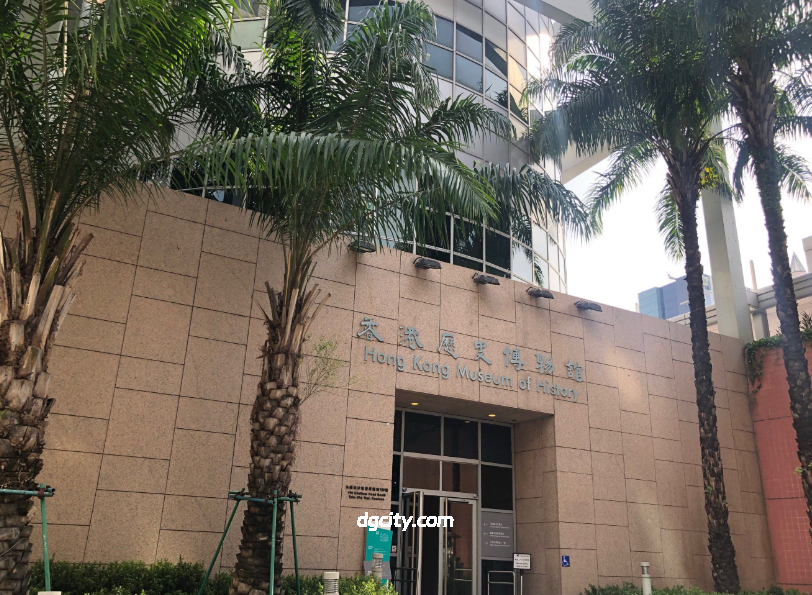
The core highlight of the Hong Kong Museum of History is its permanent exhibition “The Hong Kong Story”, which is also the soul of the museum. The exhibition occupies most of the space from the basement floor to the 2nd floor, taking time as the clue, starting from the prehistoric era 6,000 years ago, and sequentially showing Hong Kong’s ancient civilization, the prosperity of trade in the Tang and Song dynasties, Coastal defense and settlements in the Ming and Qing dynasties, modern colonial history, and the leap of modern Hong Kong from a fishing village to an international metropolis, completely presenting the track of Hong Kong’s century-old changes. The most distinctive feature of the exhibition is the scene restoration design, which restores the old Hong Kong streets, piers, pawnshops, Chinese medicine shops, teahouses and other scenes on a 1:1 scale. The weathered walls, old signs and retro means of transportation seem to take people back to Hong Kong a hundred years ago. Foreign tourists can observe and touch them up close, and immerse themselves in the urban atmosphere of old Hong Kong.
The precious cultural relics in the museum are witnesses of history, and each one carries the memory of Hong Kong’s development. The Sai Kung stone tools in the prehistoric exhibition area witness the traces of human activities in Hong Kong 6,000 years ago; the Lei Cheng Uk Han Tomb Bricks, as the treasure of the museum, were unearthed in 1955, with a history of more than 2,000 years. The exquisite patterns on the bricks show the cultural style of the ancient Lingnan area. The detailed English explanations in the exhibition area introduce the discovery process and cultural relic value of the Han Tomb, helping foreign tourists understand its historical significance. The Folk Custom Exhibition Area collects a large number of Hong Kong traditional folk cultural relics, including dragon dance headdresses, traditional wedding supplies, festival decorations, etc., which are colorful and exquisitely crafted, showing not only Hong Kong’s local folk customs, but also the inheritance and development of traditional Chinese Culture; the Modern Changes Exhibition Area shows the leap of Hong Kong from a fishing village to a modern metropolis. The old trams, old posters, rocket models and other exhibits are full of a sense of era, allowing foreign tourists to clearly see Hong Kong’s development and progress.
In addition to the permanent exhibition, the Hong Kong Museum of History also regularly holds various special exhibitions, focusing on different aspects of Hong Kong’s history, providing foreign tourists with a more comprehensive historical perspective. Most special exhibitions require additional charges. Specific information can be queried on the official website in advance. Some special exhibitions also launch interactive activities and lectures to enrich tourists’ visiting experience. In addition, the museum pays attention to interactive experience and education popularization. There is a natural history interactive corner on the basement floor, and a multimedia projection room on the 2nd floor, which plays Hong Kong historical short films in a loop, which is vivid and interesting, suitable for tourists of all ages; the museum provides free public guided tours in three languages: Cantonese, Mandarin and English. Tickets can be obtained at the service desk 1 hour before the guided tour time, on a first-come, first-served basis. Foreign tourists can deeply understand the detailed stories of Hong Kong history through the guided tour service.
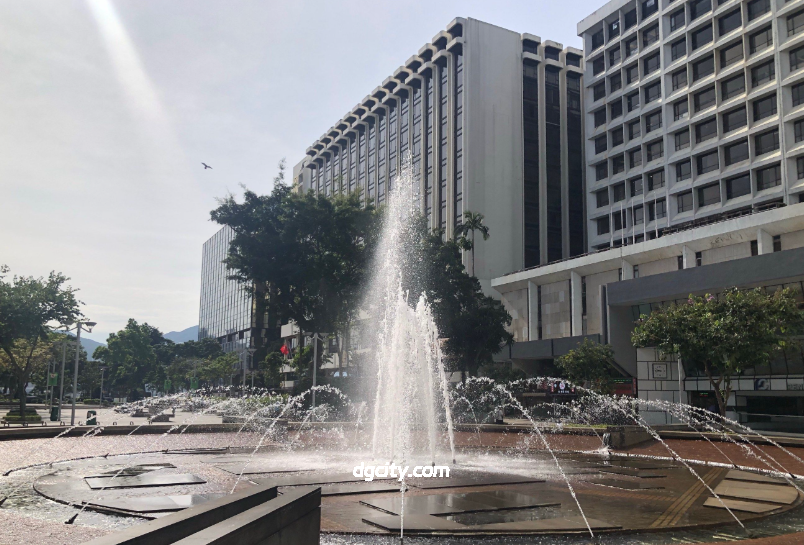
In terms of transportation, foreign tourists can reach the Hong Kong Museum of History through various convenient ways, with a very superior geographical location. The most recommended way is to take the MTR: take the East Rail Line to East Tsim Sha Tsui Station, exit from Exit P2 or P3, and walk for 5-7 minutes to reach it, which is the fastest route; you can also take the Tsuen Wan Line to Tsim Sha Tsui Station, exit from Exit B2, and walk for about 10 minutes to reach it; or take Exit D of Jordan Station and walk for about 20 minutes to reach it. In addition, there are bus and minibus stops outside the museum. You can take multiple bus routes such as 5, 5C, 8, 8A, 13X and get off near the museum, or take green minibus No. 8 to reach the venue directly. If you choose to take a taxi, just tell the driver “Hong Kong Museum of History”. The journey from within Kowloon takes about 10-15 minutes, and the fare is about 20-30 Hong Kong dollars. The driver is familiar with the venue location and can communicate in English.
Practical information and tips are very important to make the tour smoother. The Hong Kong Museum of History is open to the public free of charge. Children under 4 years old do not need to buy tickets. Individual special exhibitions may require additional charges. The ticket office closes 30 minutes before the opening day closes. The opening hours are 10:00-18:00 from Monday, Wednesday to Friday, 10:00-19:00 on Saturday, Sunday and public holidays, 10:00-17:00 on Christmas Eve and Lunar New Year’s Eve, and closed on Tuesday (except public holidays), the first and second days of the Lunar New Year. It is recommended that foreign tourists reserve 1.5-2 hours for the tour, and can extend the time if they want to have an in-depth understanding.
During the visit, please note that taking photos is allowed in the museum, but please do not use flash, lighting equipment or tripods to avoid affecting other tourists. Individual special exhibitions may not allow taking photos, so you need to abide by the venue regulations. The air conditioning in the museum is relatively strong, so it is recommended to bring a thin coat; there are commemorative stamps at the service desk, and tourists can bring a small book to stamp and punch in to add fun to the tour. The museum is equipped with drinking fountains, toilets, rest seats, baby care rooms and barrier-free facilities, with complete supporting facilities; there is a reference room on the 2nd floor, where you can read books, periodicals and audio-visual materials about Chinese and Hong Kong history, archaeology, folk customs, etc. You can make an appointment in advance if you need to check them. The surrounding supporting facilities are rich, adjacent to the Hong Kong Science Museum, which can be arranged for a tour on the same day to achieve a dual experience of history and science; it takes 10 minutes to walk to the Tsim Sha Tsui Waterfront Promenade to enjoy the view of Victoria Harbour. After the tour, you can go to nearby restaurants to taste authentic Hong Kong-style food.
The Hong Kong Museum of History is like a three-dimensional Hong Kong history book. Every cultural relic and every scene tells the past and present of Hong Kong. Here, you can travel through time and space to feel the vicissitudes of Hong Kong from a prehistoric fishing village to an international metropolis; you can touch history to understand Hong Kong’s folk customs and cultural inheritance; you can make boring history vivid and interesting through interactive experiences. For foreign tourists, this historical journey can not only let you deeply understand Hong Kong’s historical context, but also help you understand Hong Kong’s diverse and inclusive urban character, read the vitality and warmth of this city, and leave an unforgettable Hong Kong memory.



暂无评论内容