




When you step onto the streets of Hong Kong Island, the first iconic sound you may hear is the crisp “ding-ding” bell—this is the call of Hong Kong’s beloved tram, affectionately known as the Ding Ding Tram by locals and visitors alike. More than just a mode of transportation, the Ding Ding Tram is a living relic of Hong Kong’s history, a symbol of its Culture, and one of the most affordable and authentic ways to explore the vibrant heart of Hong Kong Island. For foreign tourists, riding this century-old double-decker tram is not just a journey from point A to point B, but an immersive experience that connects you with the city’s past and present.
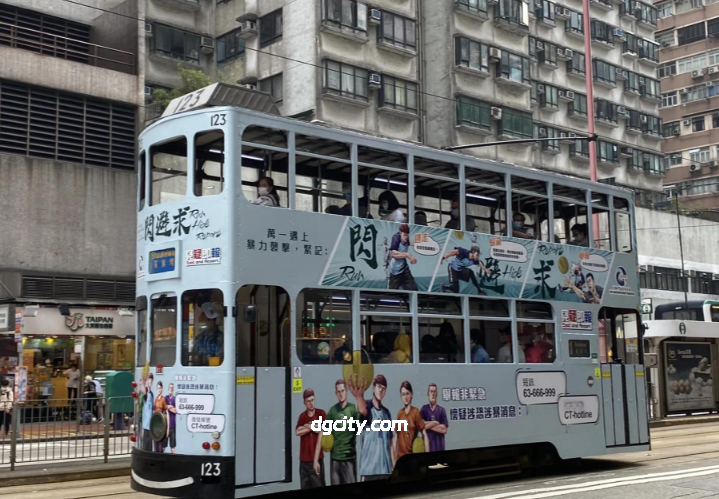
The Ding Ding Tram has a rich history dating back to 1904, when it first began operating under British rule—making it Hong Kong’s first large-scale public transportation system and one of the oldest tram systems in Asia. What makes it even more special is that it holds the Guinness World Record for the world’s largest operational double-decker tram fleet, with 165 tramcars traversing the streets of Hong Kong Island every day. Unlike the fast-paced MTR or modern buses, the Ding Ding Tram moves at a leisurely pace, allowing you to soak in the sights, sounds, and smells of Hong Kong’s neighborhoods, from the historic western district to the bustling shopping areas of Causeway Bay.
Before you hop on a Ding Ding Tram, it’s essential to understand its routes and how to navigate them. The tram system operates six main routes that run along Hong Kong Island’s northern Coastline, spanning from Shau Kei Wan in the east to Kennedy Town in the west, with a circular branch line serving Happy Valley. All trams follow the same north-south corridor along Queen’s Road, so you don’t have to worry about getting lost—simply decide whether you’re heading east (toward Shau Kei Wan) or west (toward Kennedy Town). There are 120 stations in total, each marked with a simple sign, and most major tourist spots, such as Sheung Wan, Central, Admiralty, Wan Chai, and Causeway Bay, are easily accessible by tram. You can check the official website or use Google Maps to plan your journey and find the nearest stop.
Riding the Ding Ding Tram is straightforward, but there are a few tips to make your experience smooth and enjoyable. First, remember that Hong Kong drives on the left, so trams also run on the left side of the tracks. Trams stop at every station, but you need to signal to the driver if you want to board—simply wave your hand as the tram approaches, just like locals do. Once on board, head to the upper deck for the best views—this is where you’ll get unobstructed vistas of Hong Kong’s skyline, colonial-era buildings, and bustling street life. The lower deck is more convenient for passengers with luggage or disabilities.
Fares are one of the biggest perks of the Ding Ding Tram—it’s one of the cheapest forms of transportation in Hong Kong. For regular trams, the adult fare is just HK$3.30, while children aged 3 to 11 pay HK$1.60, and seniors aged 65 and above pay HK$1.50. Children under 4 can ride for free if they don’t occupy a seat and are accompanied by an adult. Payment is made when you exit the tram—you can use an Octopus card (a popular contactless card in Hong Kong), electronic payment platforms, or cash (coins only, no change is given, so be sure to have small change ready). For tourists planning to ride the tram frequently, a monthly ticket is available for HK$260, but most visitors will find single fares more than sufficient.
For a more special experience, consider the Tramoramic Tour—a sightseeing tram service that offers a unique way to explore Hong Kong’s landmarks. This tour uses iconic 1920s-style trams and provides audio narration in 16 languages, including English, making it perfect for foreign tourists. There are two boarding points: Sheung Wan (Western Market) and Causeway Bay, and the tour takes you through major attractions with detailed commentary. Tickets for the Tramoramic Tour cost HK$180 for adults and HK$110 for children, and you can book online in advance or buy tickets on the spot if seats are available.
Another unique experience is the Ding Ding Cheongsam Package, which combines a Tramoramic Tour with a traditional cheongsam rental. This package includes a one-hour tram tour, a cheongsam rental (with extension to the next day), and a 2-day tram pass, allowing you to experience Hong Kong’s Culture in a truly memorable way. The cheongsam rental is available in various sizes, and you can even add optional photography services for an additional fee. It’s recommended to book this package at least 4 days in advance to secure your spot.
When to ride the Ding Ding Tram? For the best photos and a quieter experience, try early morning (before 9 AM) or late afternoon (after 5 PM). During these times, the tram is less crowded, and the soft sunlight creates a beautiful glow over Hong Kong’s streets. Avoid peak hours (8-9 AM and 5-7 PM) if you want to avoid crowds—this is when locals use the tram for their daily commute.
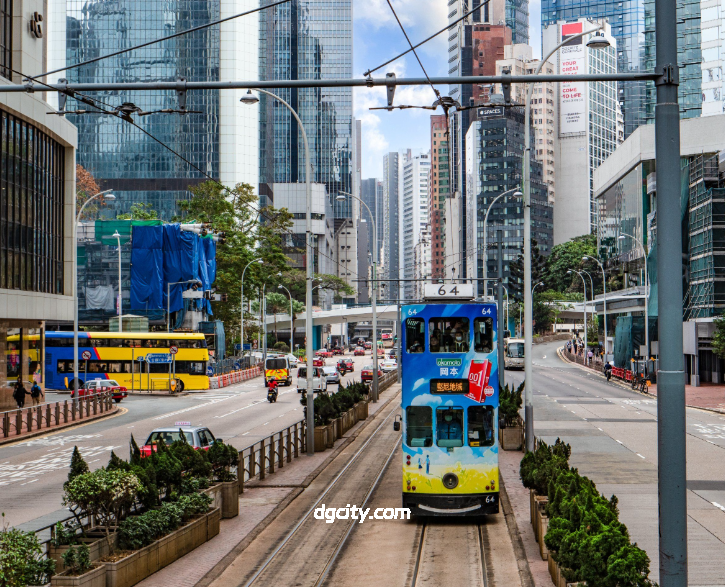
As you ride the Ding Ding Tram, take time to notice the little details that make it special. The colorful tramcars, often adorned with eye-catching advertisements, are a contrast to Hong Kong’s modern skyscrapers. The vintage wooden seats on some trams add a nostalgic touch, while the sound of the bell—originally used to warn pedestrians and other vehicles—remains a iconic part of Hong Kong’s soundscape. Along the way, you’ll pass historical sites like Western Market, colonial buildings in Central, and lively street markets in North Point, giving you a glimpse of Hong Kong’s diverse Culture.
A few final tips for foreign tourists: always carry a map or use a navigation app to track your route; be mindful of other passengers and avoid blocking the exits; and don’t hesitate to ask the driver or locals for help if you’re unsure about your stop—Hong Kong people are friendly and happy to assist. Also, note that the tram does not have air conditioning, so dress comfortably, especially in summer.
In a city that’s constantly changing, the Ding Ding Tram remains a constant—connecting generations, preserving history, and offering a unique perspective on Hong Kong. Whether you’re a first-time visitor or a seasoned traveler, a ride on the Ding Ding Tram is an essential part of any Hong Kong trip. It’s not just transportation; it’s a journey through time, a chance to slow down, and an opportunity to experience Hong Kong like a local. So next time you’re on Hong Kong Island, follow the sound of the “ding-ding” and hop on board—you won’t regret it.





暂无评论内容