




As an international financial hub, Hong Kong boasts a payment system that blends tradition and modernity, with cash, credit cards, and e-payments forming a stable tripartite structure. Covering everything from street food stalls to high-end shopping malls, this diverse ecosystem caters to all consumption needs. For foreign tourists, understanding the applicable scenarios, usage skills, and precautions of different payment methods in advance can avoid awkward moments and inconveniences during consumption, making the trip smoother. This guide comprehensively analyzes four core payment methods: Hong Kong Dollar (HKD) cash, credit cards, AlipayHK, and WeChat Pay HK, helping you choose flexibly based on your itinerary and enjoy Hong Kong to the fullest.
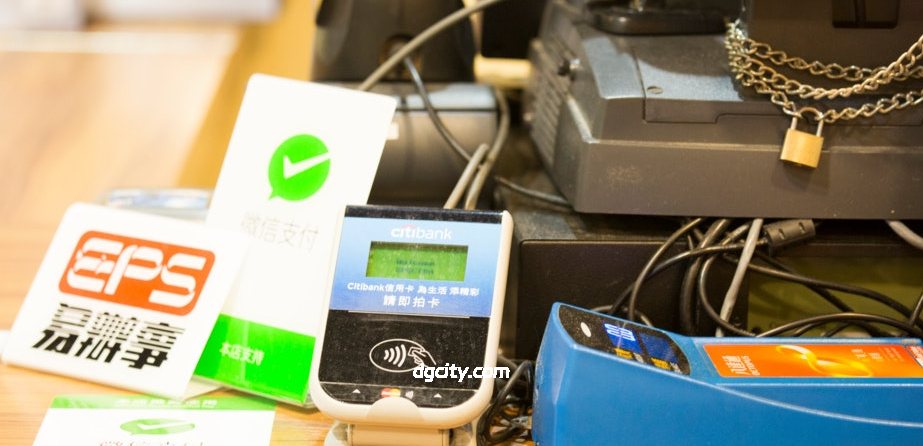
HKD Cash: The Cornerstone of traditional Payments, Essential for Small-Scale Scenarios
The Hong Kong Dollar (HKD, currency symbol HK$) is Hong Kong’s legal tender. Despite the growing popularity of mobile payments, cash remains an indispensable payment option, especially in local daily life scenarios.
- Currency Features & Exchange: The HKD is pegged to the US Dollar, with an exchange rate generally stable around 1 US Dollar to 7.8 HKD. banknotes are issued by three institutions: HSBC Bank, Standard Chartered Bank, and Bank of China (Hong Kong), with three different designs for each denomination, all legally valid. Coin denominations include 10 cents, 20 cents, 50 cents, 1 HK,2HK, 5 HK,and10HK. Exchange channels are diverse, including Hong Kong International Airport, banks, hotels, and exchange shops accredited under the “Quality Tourism Services” scheme. It is recommended to exchange at official channels to avoid exchange rate traps at unlicensed street shops. Some exchange shops support WeChat or Alipay payments for exchange, eliminating the need to carry large amounts of foreign cash.
- Applicable Scenarios: Cash is still accepted at over 90% of locations in Hong Kong. Core scenarios include street food stalls, local tea restaurants, small grocery stores, and traditional markets (such as Mong Kok Ladies’ Market and Yau Ma Tei Market), where most merchants only accept cash or Octopus Cards. In addition, some minibuses, individual tram routes, on-street Parking meters, and a small number of taxis may only support cash payments. It is advisable for tourists to carry 500-1000 HKD in cash to cover scenarios where mobile payments are unavailable.
- Usage Tips: Hong Kong merchants generally refuse severely damaged banknotes, so check the integrity of banknotes when exchanging. Coins are frequently used, so prepare a small wallet to store them separately for convenient small-value payments. When making purchases, you can proactively ask if large-denomination banknotes are accepted, as some small merchants may refuse 1000 HKD notes due to change issues. Before leaving Hong Kong, if you have remaining small-denomination HKD, you can spend it at airport convenience stores or restaurants, or exchange it back at exchange shops to avoid carrying large amounts of foreign currency on your return trip.
Credit Cards: Internationally Accepted, Ideal for Large-Scale Consumption
Credit cards are one of the most mature non-cash payment methods in Hong Kong, with full coverage of mainstream international card types. They are particularly suitable for large-scale consumption scenarios such as hotel stays and shopping sprees, offering both security and convenience.
- Supported Card Types & Preparation: Almost all hotels, shopping malls, and restaurants in Hong Kong accept international credit cards such as Visa, Mastercard, and American Express, while some merchants also support UnionPay cards. Foreign tourists do not need to apply for additional payment permissions for Hong Kong; they only need to ensure their credit cards are within the validity period and have overseas payment functions enabled (confirm with the issuing bank in advance). Some banks offer cashback, bonus points, and other promotions for consumption in Hong Kong, so you can check relevant activities before traveling.
- Applicable Scenarios: Credit cards are the best choice for large-scale consumption, including hotel bookings and settlements, dining at high-end restaurants, luxury shopping, and duty-free shopping at airports. In addition, public transportation such as MTR and buses, convenience stores, and large supermarkets also accept credit cards. In core business districts such as Tsim Sha Tsui, Central, and Causeway Bay, the acceptance rate of credit cards is nearly 100%, so there is no need to worry about payment obstacles.
- Precautions: When using credit cards, pay attention to the transaction currency selection. It is recommended to settle in HKD first to avoid the “dynamic currency conversion” service provided by merchants, which may include high exchange rate spreads. Keep your credit card information secure, do not disclose the card number, expiration date, or security code on the back to third parties, and avoid the risk of fraud. Use the cash advance function with caution, as credit card cash advances have no interest-free period and involve high interest rates and fees, with an annual percentage rate (APR) of around 35%. In case of issues such as merchant closure or goods not matching the description, you can apply for refund protection from the issuing bank with transaction documents, but installment payment transactions usually do not enjoy this protection.
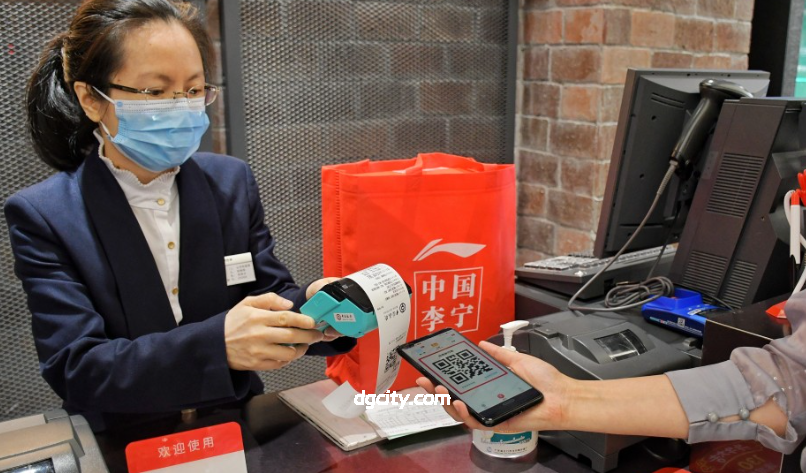
E-Payments: Convenient and Efficient, Covering Popular Scenarios
E-payments represented by AlipayHK and WeChat Pay HK have rapidly gained popularity in Hong Kong in recent years, especially among tourists and young people. With convenient operation and transparent exchange rates, they have become an important part of Hong Kong’s payment system.
AlipayHK: Cross-Border Compatibility, Rich Promotions
- Registration & Top-Up: Foreign tourists can register for AlipayHK in two ways: either using a Mainland China mobile phone number to register and set a login password and payment password to complete basic activation, or log in quickly with a Taobao account and bind a Mainland China mobile phone number for activation. Top-up methods are flexible: you can make cross-border remittances via Mainland Alipay (domestic fees are waived for first-time or single transactions ≥3500 RMB) or bind a Hong Kong-issued bank card for top-up. Funds arrive quickly, and real-time exchange rate inquiries are supported.
- Applicable Scenarios: AlipayHK is accepted at over 1 million merchants in Hong Kong, including public transportation such as MTR, buses, and ferries, convenience stores, large supermarkets, popular restaurants, and shopping malls. At attractions such as Hong Kong Disneyland and Ocean Park, you can also purchase tickets and make in-park payments via AlipayHK, with express lane access for scanning codes to enter the park in some scenarios. In addition, AlipayHK supports cross-border payments and can be used in Mainland China, allowing you to continue using the balance after returning.
- Unique Advantages: It often launches promotions such as instant discounts and red envelope giveaways for consumption in Hong Kong, with exchange rate subsidies available at some merchants. The “Group Pass” function supports multiple people traveling together to pay with one account, eliminating the need for each person to register separately. Bills are automatically displayed in the tourist’s home currency, with clear consumption details for easy subsequent reconciliation.
WeChat Pay HK: Integrated Social Payment, Easy Operation
- Registration & Top-Up: Registration requires real-name authentication. Foreign tourists can verify with a Hong Kong or Mainland China ID card and meet one of the following conditions: bind a Hong Kong mobile phone number, a Hong Kong-issued Visa/Mastercard/UnionPay credit card, or a Hong Kong bank account (supporting 5 major banks including Bank of China (Hong Kong) and ICBC (Asia)). WeChat users registered with Mainland China mobile phone numbers can register independently via the “WeChat Pay HK Lifestyle” official account and activate it after binding a Hong Kong financial instrument. Top-up must be done through a bound Hong Kong bank card or credit card, with a maximum daily top-up limit of 10,000 HKD.
- Applicable Scenarios: It covers highly overlapping scenarios with AlipayHK, supporting full-scene use such as public transportation, dining, shopping, and attraction ticket purchases. It has obvious advantages in local lifestyle services, with functions such as food delivery, bill payment, and WeChat red envelope transfers, making it suitable for tourists who want to experience Hong Kong life in depth. Since 2024, Hong Kong taxis have been required to be equipped with electronic payment devices, and WeChat Pay HK is one of the mainstream payment methods.
- Unique Advantages: It seamlessly connects with WeChat’s social functions, allowing direct money transfers and red envelope sending to local friends in Hong Kong without the need to download additional apps. It supports switching wallet regions, eliminating the need to re-register when traveling between Mainland China and Hong Kong, and automatically adapts to local payment scenarios. Some Hong Kong bank-issued credit cards offer exclusive benefits such as bonus points and cashback when bound.
Hong Kong’s payment system is flexible and diverse, with no absolute “best solution”. It is recommended for foreign tourists to adopt a combined strategy of “cash + e-payments as the mainstay, and credit cards as a supplement”: use cash for small merchants and emergency scenarios, AlipayHK or WeChat Pay HK for daily high-frequency consumption, and credit cards for large-scale payments. With adequate payment preparation, you can travel unimpeded through the streets and alleys of Hong Kong and focus on experiencing the unique charm of this city.







暂无评论内容