




Hong Kong boasts a world-class Medical system, with comprehensive public medical care and high-quality private medical services. Pharmacies are widely distributed throughout the city, providing foreign tourists with all-round medical support. However, Hong Kong’s medical rules are different from those in some foreign regions, and medical expenses for non-local residents are relatively high. Understanding Hong Kong’s medical resource distribution, medical procedures, and travel insurance purchase suggestions in advance is an important guarantee for foreign tourists to travel in Hong Kong with peace of mind. This guide comprehensively breaks down the differences between public and private hospitals in Hong Kong, pharmacy distribution, and travel insurance purchase skills, providing practical guidance for foreign tourists’ medical needs, helping you cope calmly when encountering health problems in Hong Kong.

I. Core of Hong Kong’s Medical System: Detailed Explanation of Public and Private Hospitals
Hong Kong’s Medical system is divided into two major sectors: public and private. There are significant differences between the two in service positioning, charging standards, and medical procedures. Foreign tourists can choose flexibly according to their own conditions, budget, and needs. Here is a detailed analysis:
1. Public Hospitals: Cost-Effective, Ensuring Basic Medical Needs
Public hospitals in Hong Kong are uniformly managed by the Hospital Authority. Their core advantage is reasonable charges and guaranteed medical standards, covering various basic and complex diseases. They are the main choice for Hong Kong residents and are also open to foreign tourists. It should be noted that foreign tourists, as “non-eligible persons”, cannot enjoy the medical subsidies for Hong Kong residents, and the charges will be much higher than those for local residents, but they are still cost-effective compared with private hospitals.
The core feature of public hospitals is inclusiveness. They are equipped with professional medical teams and advanced medical equipment, and can handle various diseases from common colds, traumas to acute and critical illnesses and surgical treatments. The medical procedure is relatively standardized: first, you need to go to the emergency department or general outpatient clinic of a public hospital to register, present valid identification such as a passport, fill in personal basic information and disease description, and then wait for the call to see a doctor; after the consultation, you can pick up medicine at the hospital pharmacy or purchase medicine at an external pharmacy with a prescription.
In terms of charges, the emergency consultation fee for foreign tourists is about HK$445 per visit, the general outpatient clinic is about HK$445 per visit, the specialist outpatient clinic is about HK$1,000-HK$1,500 per visit, and the hospitalization fee (including bed, treatment, and nursing) is about HK$1,000-HK$3,000 per day. The specific cost varies according to the condition and treatment plan. In addition, the waiting time in public hospitals is relatively long. The general outpatient clinic may require waiting for 1-2 hours, and the specialist outpatient clinic even needs to make an appointment in advance. It is suitable for foreign tourists with mild conditions, limited budget, and no urgent need for medical treatment.
Distribution of mainstream public hospitals: Hong Kong Island (Queen Mary Hospital, Pamela Youde Nethersole Eastern Hospital), Kowloon (Queen Elizabeth Hospital, Kwong Wah Hospital), New Territories (Prince of Wales Hospital, North District Hospital). All are located in convenient areas, accessible by MTR and buses. Some hospitals also provide multilingual services (English and Chinese) to facilitate communication for foreign tourists.
2. Private Hospitals: High-Quality Service, the First Choice for Efficiency and Convenience
Private hospitals in Hong Kong focus on high-end and personalized medical services. Their core advantages are convenient medical treatment, short waiting time, and good service experience. Most of the medical teams have overseas study backgrounds and can provide multilingual services, which are very suitable for foreign tourists, especially those with urgent conditions, high requirements for medical experience, or special medical needs.
The medical facilities of private hospitals are more luxurious, the medical environment is comfortable, and appointment-based medical treatment is adopted. You can make an appointment 1-2 days in advance without waiting in long queues. Doctors have sufficient consultation time and can provide detailed diagnosis and treatment suggestions for tourists. In addition, private hospitals have complete departments, covering internal medicine, surgery, pediatrics, dermatology, dentistry, etc., and can handle various common diseases, traumas, and some complex diseases. Some high-end private hospitals are also equipped with internationally advanced medical equipment, which can provide precise treatment.
In terms of charges, private hospitals are more expensive, 3-5 times that of public hospitals: general outpatient clinics are about HK$1,000-HK$2,000 per visit, specialist outpatient clinics are about HK$2,000-HK$5,000 per visit, hospitalization fees (including luxury wards, treatment, and nursing) are about HK$5,000-HK$15,000 per day, and surgical fees range from tens of thousands to hundreds of thousands of Hong Kong dollars depending on the difficulty. It should be noted that private hospitals do not accept prescriptions from public hospitals. If you need to transfer to a private hospital for treatment after consulting in a public hospital, you need to be re-diagnosed.
Distribution of mainstream private hospitals: Hong Kong Island (Hong Kong Sanatorium & Hospital, Hong Kong Adventist Hospital), Kowloon (St. Teresa’s Hospital, Union Hospital), New Territories (Prince of Wales Hospital Private Wing). Most are located in core business districts or high-end residential areas, with convenient transportation. Some hospitals also provide pick-up and drop-off services to further improve the convenience of medical treatment.
3. Key Notes for Medical Treatment
① Document Preparation: You must present valid identification (passport or Exit-Entry Permit for Traveling to and from Hong Kong and Macao) when seeking medical treatment, which is used to register personal information and settle fees. It is recommended to prepare the original and copy of the documents in advance.
② Language Communication: Some medical staff in public hospitals only speak Cantonese and Chinese. Foreign tourists can choose hospitals that provide English services (such as Queen Mary Hospital and Hong Kong Sanatorium & Hospital), or carry translation software to avoid communication barriers; private hospitals generally provide English services, and some also support multilingual services such as Japanese and Korean.
③ emergency Priority: If you encounter acute and critical illnesses (such as sudden illness, severe trauma, heart attack, etc.), you can directly go to the emergency department of any hospital without an appointment. Both public and private hospitals provide 24-hour emergency services, and emergencies will be given priority.
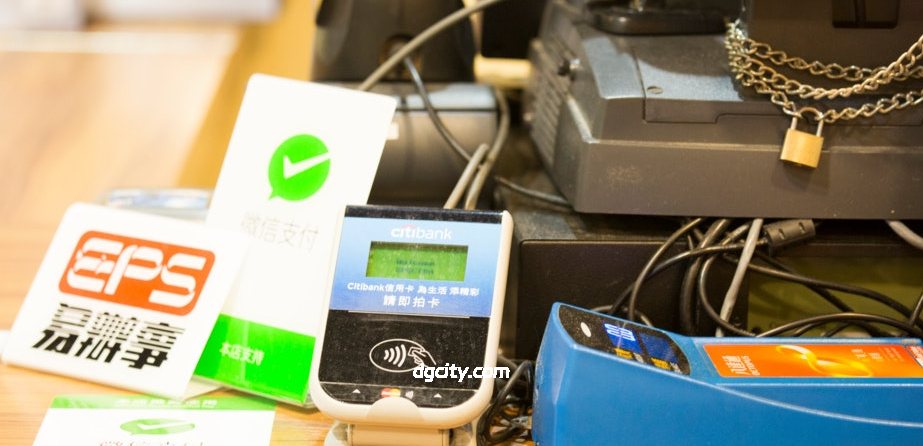
④ Fee Settlement: Both public and private hospitals support credit cards (Visa, Mastercard, UnionPay), electronic payments (Alipay, WeChat Pay), and cash payments. It is recommended to use credit cards for payment first to avoid carrying a large amount of cash; be sure to keep the payment receipt and medical records after treatment for subsequent insurance claims.

II. Hong Kong Pharmacy Distribution: Convenient Medicine Purchase, Essential for Emergencies
Pharmacies in Hong Kong are widely distributed throughout the city, divided into chain pharmacies and private pharmacies. They have a complete range of medicines, including prescription drugs, over-the-counter drugs, health products, and medical devices, which can meet the daily medicine purchase and emergency needs of foreign tourists. Hong Kong has strict drug supervision and guaranteed drug quality. Some imported drugs are cheaper than those abroad, making it the first choice for many tourists to buy drugs. However, it is necessary to pay attention to Hong Kong’s drug purchase rules to avoid violations.
1. Main Types and Distribution of Pharmacies
① Chain Pharmacies: Large-scale, complete in drugs, and standardized in services, they are the first choice for foreign tourists to buy drugs. They mainly include Watsons, ParknShop, Sasa, China Resources Medicine, etc., which are distributed in all core areas of Hong Kong, such as Tsim Sha Tsui, Causeway Bay, Central, Mong Kok and other business districts, as well as around airports, high-speed rail stations, and MTR stations. They are convenient for transportation, and most stores are open from 10:00 to 22:00, and some stores are open 24 hours a day.
The drugs in chain pharmacies are clearly classified. Over-the-counter drugs (such as cold medicine, fever reducer, painkiller, trauma ointment, etc.) can be bought directly, and prescription drugs need to be bought with a doctor’s prescription; most of the clerks have professional pharmaceutical knowledge and can provide medication advice, and some clerks can also speak English, which can provide convenient services for foreign tourists. In addition, chain pharmacies also sell health products, skin care products, and medical devices (such as thermometers, blood pressure monitors, masks, etc.) to meet the diverse needs of tourists.
② Private Pharmacies: Most are distributed in residential areas and old neighborhoods, with small scale and relatively single drug types, but the price may be more advantageous, suitable for buying common over-the-counter drugs. It should be noted that some private pharmacies may sell counterfeit and shoddy drugs. Foreign tourists need to choose carefully, prioritize private pharmacies with formal qualifications and good reputation, and avoid buying unqualified drugs.
2. Notes for Buying Medicine
① Prescription Drug Management: Hong Kong has strict supervision over prescription drugs. Antibiotics, psychotropic drugs, and some chronic disease drugs need to be bought with a doctor’s prescription. They cannot be bought without a prescription. Foreign tourists must not try to buy prescription drugs through irregular channels to avoid violating Hong Kong laws.
② Drug Carrying: After buying drugs, keep the purchase receipt. When carrying drugs out of the country, pay attention to the drug entry regulations of the destination country/region. Some drugs (such as painkillers containing anesthetic ingredients) may be restricted from carrying. It is recommended to understand the relevant regulations in advance to avoid problems when entering the country.
③ Medication Consultation: When buying drugs, be sure to inform the clerk of your own symptoms and allergy history, consult the dosage, usage, and precautions of the drugs, and avoid health problems caused by improper medication; if you are not sure whether the drugs are suitable for you, you can carry the drug instructions to consult a doctor.
④ Price Comparison: The prices of drugs in different pharmacies may vary, especially for health products and imported drugs. It is recommended that foreign tourists compare the prices of several pharmacies before buying; the prices of chain pharmacies are relatively transparent, so there is no need to worry about being overcharged.
III. Exclusive for Foreign Tourists: Travel Insurance Purchase Suggestions
Medical expenses in Hong Kong are relatively high. Foreign tourists may face high expenses when seeking medical treatment in Hong Kong. Therefore, buying a suitable travel insurance in advance is the key to dealing with sudden health problems and reducing economic losses. Travel insurance needs to cover core guarantees such as medical expenses and emergency rescue. Here are detailed purchase suggestions and precautions:
1. Core Guarantee Scope (Must-Have)
① Medical Expense Guarantee: This is the core of travel insurance. It needs to cover consultation fees, hospitalization fees, surgical fees, drug fees, inspection fees, etc. in Hong Kong’s public and private hospitals. It is recommended to choose insurance with a medical guarantee limit of not less than HK$500,000 to avoid economic pressure caused by high medical expenses. It should be noted that some insurance only covers public hospital expenses. If you plan to seek medical treatment in a private hospital, you need to confirm whether the insurance includes private hospital guarantee.
② Emergency Rescue Guarantee: It includes emergency medical transfer (such as transfer from scenic spots to hospitals, transfer from public hospitals to private hospitals), medical repatriation (such as repatriation to your own country for treatment if the condition is serious), and family visit expenses (such as family members coming to Hong Kong to take care of you). It is recommended to choose insurance with 24-hour emergency rescue services. In case of emergency, you can call the rescue hotline at any time to get professional help.
③ Other Basic Guarantees: Including trip cancellation/delay, luggage loss/damage, etc. Although they are not related to medical treatment, they can fully guarantee travel safety. It is recommended to choose insurance that includes these guarantees to enhance travel protection.
2. Recommended Insurance and Purchase Channels
① Recommended Insurance Brands: For foreign tourists, it is recommended to choose internationally renowned insurance brands, such as Allianz, Prudential, AIA, and Ping An International Edition. These brands have a complete network of cooperative hospitals in Hong Kong, convenient claims settlement, and support multilingual services, which can effectively solve the communication and claim settlement problems of foreign tourists. Among them, Allianz’s “Global Travel Insurance” and Prudential’s “Overseas Travel Protection Plan” both cover Hong Kong medical expenses and emergency rescue, with outstanding cost performance. In addition, SafetyWing and Travelex are also suitable travel insurance choices for foreign tourists, with a good reputation in Hong Kong medical protection.
② Purchase Channels:
(1)Online Channels: Purchase through official insurance brand websites and international travel insurance platforms (such as InsureMyTrip, World Nomads), which support multilingual operations and multiple currency payments. You can compare the guarantee scope and prices of different insurances online. The purchase process is convenient, and you can get an electronic policy immediately without worrying about losing the policy.
(2)Offline Channels: After arriving in Hong Kong, you can buy travel insurance at the insurance service counters of airports and high-speed rail stations, or at hotel front desks. The staff can provide English services to help recommend suitable insurance products, which is suitable for tourists who have not bought insurance in advance; in addition, you can also buy it at Hong Kong insurance company stores, where you can consult the details of the guarantee on site to ensure that the insurance meets your own needs.
(3)Travel Agency Channels: If you book a Hong Kong itinerary through a travel agency, you can entrust the travel agency to buy travel insurance on your behalf. The travel agency can recommend suitable insurance products according to the itinerary arrangement, which is worry-free and efficient, and can ensure that the insurance coverage matches the itinerary.
3. Purchase and Claim Notes
① Buy in Advance: It is recommended to buy travel insurance 1-3 days before departure for Hong Kong to ensure that the insurance takes effect immediately after arriving in Hong Kong, avoiding the protection gap; the validity period of the insurance needs to cover the entire Hong Kong itinerary. If the itinerary is extended, you need to renew the insurance in time.
② Read the Terms Carefully: Before buying insurance, be sure to read the insurance terms carefully, clarify the scope of protection, exclusions (such as uncovered diseases and behaviors), claim procedures, and required materials, to avoid claim failure due to unclear terms; focus on whether it covers Hong Kong private hospitals, whether there is a deductible, and the claim limit.
③ Prepare Claim Materials: After medical treatment, collect claim materials in a timely manner, including medical records, payment receipts, drug prescriptions, inspection reports, etc. If emergency rescue is involved, you also need to provide relevant certificates from the rescue agency; when filing a claim, you can submit materials online or contact the insurance customer service. Some insurance companies support direct claim settlement in Hong Kong, eliminating the need to return to your home country for processing, which saves time and effort. It is recommended to sort out the claim materials in a timely manner after treatment to avoid missing or losing them, which may affect the claim progress.
④ Avoid Violating Exclusion Clauses: To prevent the insurance from becoming invalid due to violating exclusion clauses, you must truthfully disclose your health status when purchasing insurance. Do not hide chronic diseases, previous medical history, or other relevant information; if you plan to participate in high-risk activities (such as rock climbing, diving, bungee jumping, etc.) during your trip to Hong Kong, you must inform the insurance company in advance and purchase additional high-risk activity insurance if necessary. In addition, medical treatment caused by drinking alcohol, drug use, intentional injury, or illegal acts is not covered by the insurance and cannot be claimed.
Hong Kong has a complete medical system and convenient pharmacy services. As long as foreign tourists make adequate preparations in advance and purchase suitable travel insurance, they can seek medical treatment and buy medicine with peace of mind in Hong Kong. It is recommended that foreign tourists familiarize themselves with the differences between public and private hospitals in Hong Kong in advance, master the distribution of pharmacies and drug purchase rules, and choose travel insurance reasonably. This will not only make your trip pleasant but also fully protected, allowing you to cope with various sudden health problems calmly and enjoy the unique charm of Hong Kong to the fullest.



暂无评论内容