




Every March, Hong Kong shines with a special charm thanks to a world-renowned art event — Art Basel Hong Kong. As a benchmark exhibition in the Asian and global art fields, it is not only a gathering place for art treasures but also an important platform for cross-cultural exchange. For foreign travelers coming from afar, this feast gathering the world’s top artistic forces is an excellent opportunity to experience the collision of Eastern and Western art up close, as well as a window to deeply understand the cultural charm of Hong Kong. This comprehensive visitor’s guide will sort out the core information and practical tips of the exhibition, making your visit efficient and enjoyable.

Since its launch in Hong Kong in 2013, Art Basel Hong Kong has become the most distinctive exhibition with Asian-Pacific characteristics among the world’s four major Art Basel exhibitions (Basel in Switzerland, Miami in the United States, Paris in France, and Hong Kong in China). The 2026 exhibition is even more upgraded, officially opening to the public at the Hong Kong Convention and Exhibition Centre (HKCEC) from March 27 to 29, with preview days for VIPs on March 25 and 26, presenting a global art feast spanning 41 countries and regions to art lovers around the world. This edition brings together 240 leading galleries, more than half of which have exhibition spaces in the Asia-Pacific region, and 32 first-time exhibitors to bring fresh perspectives, comprehensively presenting a vivid panorama of the current global art ecosystem. Whether it is classic masterpieces or breakthrough works by emerging artists, you can find them here.
For foreign travelers, the core highlights of the exhibition are worth focusing on. The brand-new sector “Echoes” is a major surprise of this year’s exhibition. This sector focuses on works created within the past five years, presented in focused presentations by up to three artists, focusing on precise and in-depth artistic expression, allowing you to immerse yourself in the latest pulse of contemporary art. The “Encounters” sector, dedicated to large-scale installations, sculptures, and performances, has a new curatorial team led by Mami Kataoka, together with three Asia-based curators. Based on the “five elements” in traditional Asian Culture, it presents 12 large-scale sculptures, installations, and performance works, which also extend to Pacific Place for an off-site special exhibition, breaking the boundaries of the exhibition hall and integrating art into urban space.
In addition, digital art lovers must not miss the Asian debut of the global curatorial project “Zero 10”. After its debut at the 2025 Miami Beach exhibition, this project landed in Hong Kong, bringing together 14 participating units to present wonderful digital works including digital animation, AI and ink painting crossover, demonstrating the exhibition’s continuous commitment to artistic innovation. The “Kabinett” sector presents 35 thematic exhibitions, 23 of which focus on Asian-Pacific artists, covering artistic practices of different periods and styles, from Judy Chicago’s hand-painted luminous light boxes to Ma Qiusha’s meditative architectural installations, unlocking the in-depth narratives behind art.
To make your visit smoother, practical information is essential. The exhibition is held at the Hong Kong Convention and Exhibition Centre, with convenient transportation. You can take the MTR to the Convention and Exhibition Station and walk to the venue directly without complicated transfers. Tickets are only available for online purchase through the official website of Art Basel Hong Kong. The pre-sale discount ends on March 9, 2026, and the full price will be restored from March 10. It is recommended to buy tickets in advance to avoid queuing on site or ticket shortage.
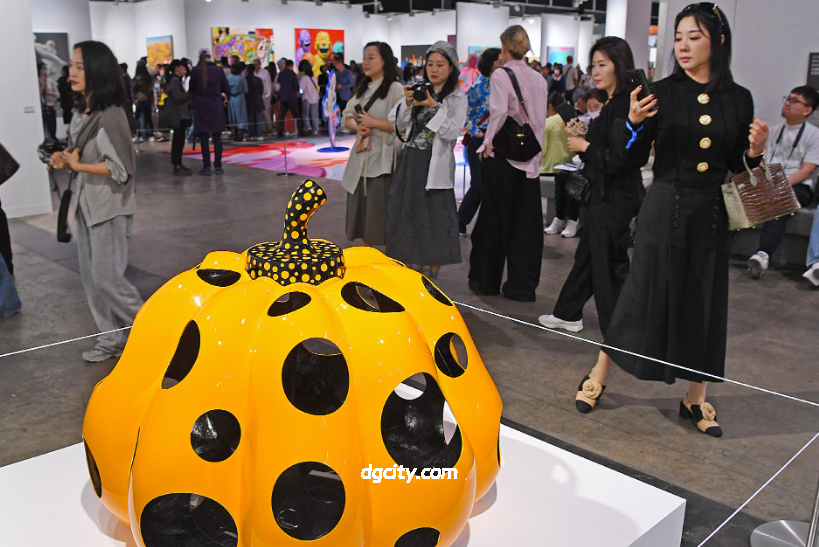
When visiting the exhibition, you need to abide by relevant rules. Backpacks, shopping bags, suitcases and other items (except strollers) are not allowed. Each traveler can only carry one small handbag (no larger than 23cm × 15cm × 18cm). Items exceeding this size need to be stored in the cloakroom on site (on a first-come, first-served basis). Regarding photography, personal non-professional photography is allowed at the exhibition, but you must ensure that no damage is done to the artworks and no disturbance is caused to others. Medium or large cameras, telephoto lenses, flashlights, tripods and other equipment are prohibited. Small pocket cameras (no larger than 16cm × 12cm × 8cm) and single lenses shorter than 80mm focal length can be brought into the venue.
At the same time, outside food and drinks are not allowed in the exhibition. There are designated catering areas on site where you can enjoy a variety of food and drinks, balancing the needs of visiting and resting. In addition to the exhibition itself, Hong Kong’s artistic atmosphere and urban customs are also worth stopping to explore. During the exhibition, the city-wide public program is open for free, including activities such as “Film” and “Conversations”, with film programs curated by pioneering media artists, creating a cross-cultural art exchange platform.
There is also a monumental public artwork co-commissioned by Art Basel and M+. Pakistani-American artist Shahzia Sikander’s “3 to 12 nautical miles” will light up the M+ facade, tracing global trade routes with luminous animations, becoming a city art landmark of Hong Kong in March. After the exhibition, you can visit local art galleries and Museums in Central, Tsim Sha Tsui and other areas to feel Hong Kong’s artistic heritage; you can also taste authentic Hong Kong-style refreshments and stroll along Victoria Harbour, understanding the unique charm of this city in art and daily life.
Whether you are a senior art collector or a beginner in contemporary art, Art Basel Hong Kong can bring you an unforgettable visual and spiritual feast. This guide will accompany you to easily unlock this cross-border art journey and leave wonderful memories in Hong Kong.

暂无评论内容