




Nestled in the hinterland of the Wuling Mountain Area, where Chongqing, Hunan, Guizhou and Hubei provinces meet, Xiushan Tujia and Miao Autonomous County in Chongqing is home to a millennium-old living folk art treasure – Xiushan Lantern Dance. Listed in the first batch of China’s National Intangible cultural heritage Representative List in 2006, this art form has been passed down orally and physically through generations of Tujia, Miao and Han people in Xiushan. It is widely honored as a “living fossil of folk art in the Wuling Mountain Area”, and has earned Xiushan the title of “Hometown of Chinese Folk Art – Lantern Dance and Song”, making it a shining cultural landmark in southWestern China.
Xiushan Lantern Dance boasts a long and profound historical lineage. It originated from the palace lantern lanterns of the Tang and Song dynasties, evolved from the ritual dance “Tiao Tuan Tuan” in the Yuan Dynasty, and gradually integrated the cultural genes and living customs of the Tujia and Miao ethnic groups. It flourished in the Qing Dynasty, spread widely among rural villages in the Republic of China period, and has been systematically protected and inherited since the founding of the People’s Republic of China. After thousands of years of evolution, it has developed into a comprehensive performing art that integrates singing, dancing, local opera, folk instrumental percussion and paper lantern craftsmanship. Unlike lantern art in other regions of China, it is deeply rooted in the rural life of Xiushan, evolving from initial sacrificial rituals and festival celebrations to a vital way for local people to entertain themselves and express their emotions, with every tune, dance move and ritual carrying the life marks and cultural beliefs of local residents.
The performance system of Xiushan Lantern Dance is complete and diverse, with clear division of roles, mainly divided into two core categories: “Shua Deng” (round dance) and “Dan Bian Xi” (lantern opera), balancing both entertainment and storytelling. “Shua Deng” is the most basic and popular form, usually performed by a pair of dancers: a female role called “Yao Mei Zi”, who has elegant makeup and gentle dance moves, and a clown role called “Hua Zi”, who is humorous and lively. The two performers cooperate to sing folk ditties and dance around the lantern position in a circular pattern, with a brisk and cheerful rhythm. It can also be expanded to three, four or even more performers to form a group lantern dance, creating a more lively and festive scene. “Dan Bian Xi” is a small opera with complete storylines, featuring simple roles such as male, female and clown, performing folk stories and daily life anecdotes through dozens of traditional tunes. There are more than 30 classic plays, including “Drunken Clown”, “Street Vendor” and “Picking Tea”, which are close to life, easy to understand and deeply loved by grassroots people.
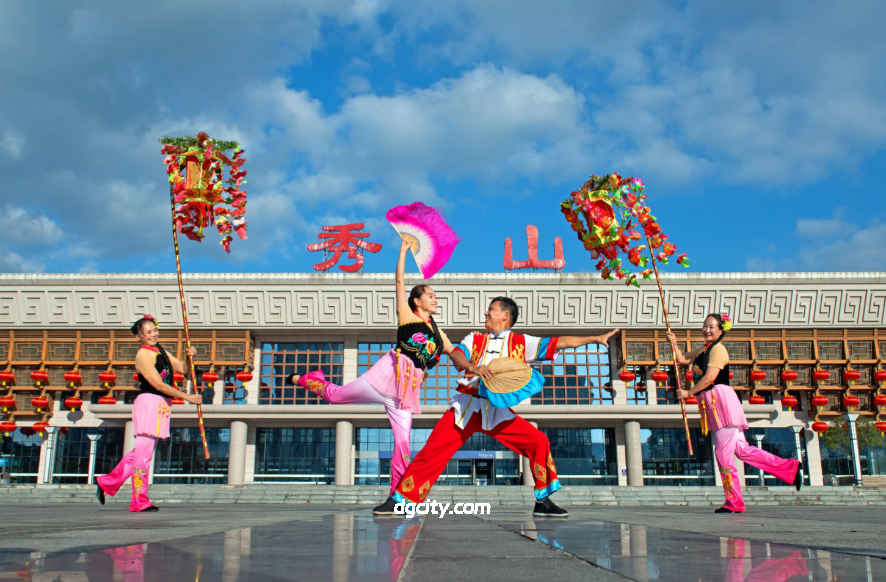
Music and instrumental accompaniment are the soul of Xiushan Lantern Dance, with extremely profound artistic deposits. The music is divided into two parts: melodies and percussion music. There are two types of melodies: official tunes and miscellaneous tunes, with more than 500 traditional repertoires. Among them, “Huang Yang Bian Dan” is a household famous ditty, designated as the county song of Xiushan, with a melodious and catchy tune that fully shows the spiritual beauty of the Wuling Mountain Area. The percussion section is complete, with instruments including cymbals, gongs, and wooden string instruments, matching more than 40 classical percussion brands. Classic pieces such as “Lazy Dragon Crossing the River” and “Tiger Leaping Down the Mountain” have bright rhythms, setting off a warm and festive performance atmosphere. The singing style combines the sonorousness of folk songs and the softness of ditties, with a strong rural flavor, and the instrumental accompaniment blends perfectly with singing and dancing, forming a unique artistic rhythm.
Xiushan Lantern Dance is not just a stage performance, but also carries a complete set of folk rituals and cultural connotations, serving as the core part of local New Year folk Culture. The traditional performance period is fixed from the second day of the first lunar month to the Lantern Festival on the 15th day of the first lunar month, which is the liveliest “Lantern Festival” in Xiushan. Performances after the 16th day are called “Hou Lian Deng”. There are strict ritual procedures before the performance, including lantern worship, lantern initiation and opening the door of wealth; during the performance, there are lantern watching, birthday blessing, red lantern celebration and New Year greetings; after the performance, there are links such as thanking the host, bidding farewell to the gods and burning lanterns. The whole ritual implies praying for good fortune, peace all year round and family happiness.
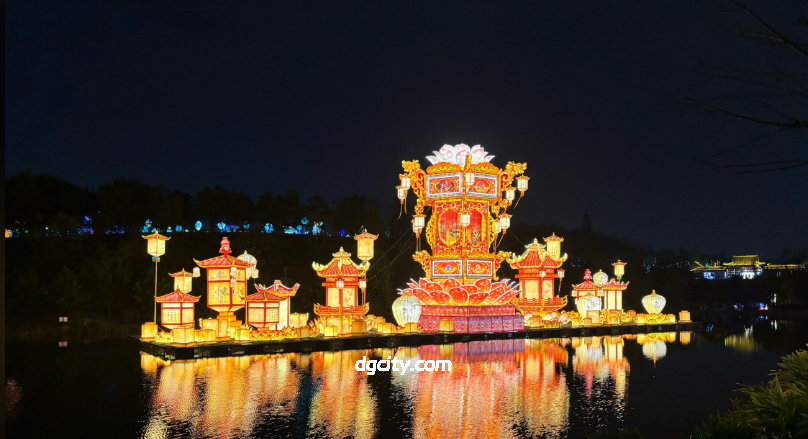
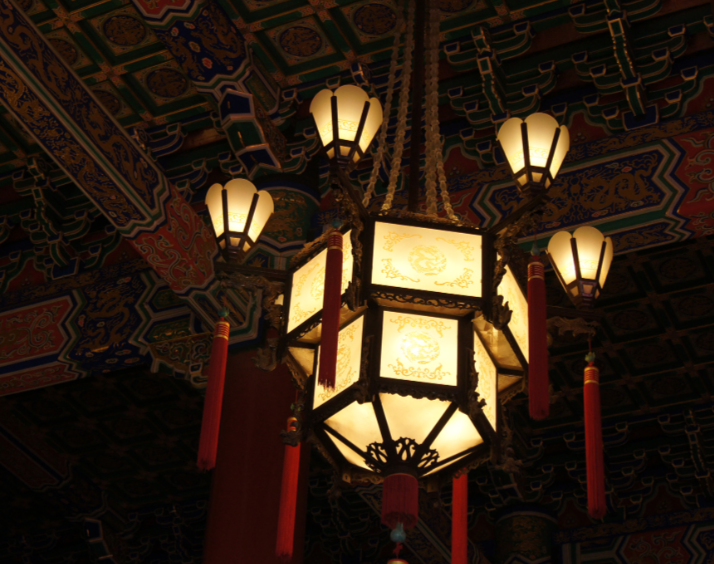
Lantern troupes are led by respected local veteran artists, with clear division of labor including lantern holders, performers, tune conductors and accompanists. Before the performance, exquisite lanterns and hanging lanterns are carefully made with bright colors and delicate craftsmanship. When performed at night, the flickering lanterns paired with lively singing and dancing create a vibrant folk scene, with every village holding lantern performances and every family welcoming the lantern troupes. Today, as a national intangible cultural heritage project, Xiushan Lantern Dance has entered a new stage of inheritance and development. Local authorities have promoted its inheritance by introducing it into campus, setting up professional lantern art troupes, creating cultural tourism performances and cultivating new generation inheritors. It retains the traditional core while integrating modern elements, adapting to the cultural communication needs of the new era.
More than a regional cultural symbol of Xiushan, it is a witness to the multi-ethnic cultural integration in the Wuling Mountain Area, carrying the cultural memory and spiritual pursuit of ethnic minorities. It has high value in folk custom, art, academic research and cultural tourism. Whether for cultural researchers, folk custom lovers or ordinary tourists, Xiushan Lantern Dance shows the extensive and profound traditional Chinese folk Culture and the unique charm of ethnic minority intangible cultural heritage, becoming a bright pearl in the treasure house of Chinese folk art.



暂无评论内容