




Located in the Shaocheng area of Qingyang District, Chengdu, Sichuan Province, Kuanzhai Alleys is the most complete ancient street complex from the Qing Dynasty in Chengdu, as well as the core carrier of the thousand-year-old Shaocheng Culture of old Chengdu. It is honored as “The Negative Film of Old Chengdu and the Living Room of New Chengdu”. Consisting of three parallel ancient streets – Kuan Alley, Zhai Alley, Jing Alley – and dozens of Western Sichuan-style courtyard houses, this block has witnessed hundreds of years of vicissitudes. It not only retains the unique architectural style integrating northern alley culture and Western Sichuan residential buildings, but also is filled with Chengdu’s unique leisurely life and mortal atmosphere. It is a must-visit city landmark for every tourist visiting Chengdu, a national-level night cultural tourism consumption cluster, and carries the historical context and mortal warmth of Chengdu.
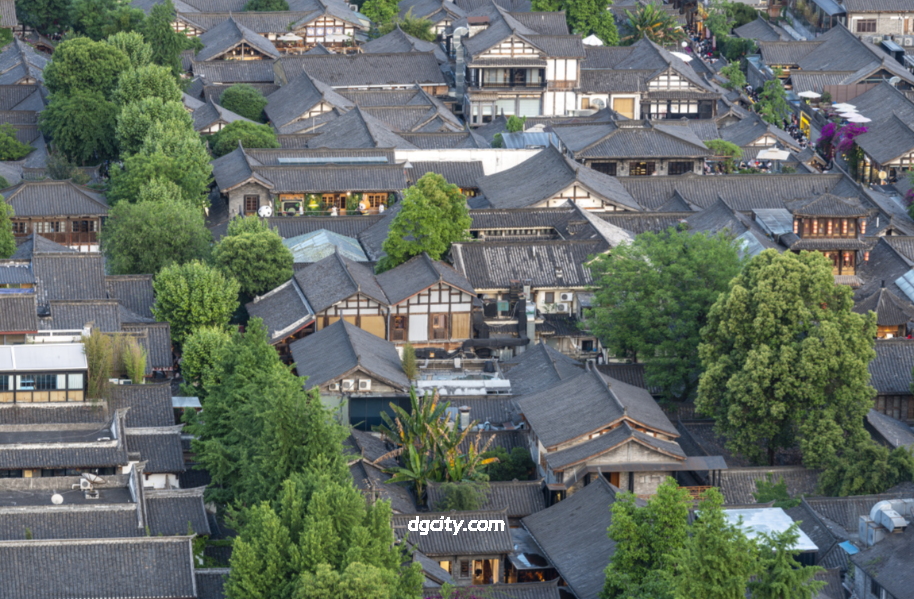
The history of Kuanzhai Alleys dates back to the Kangxi period of the Qing Dynasty. It was originally a barracks for the Qing army’s garrison in the Manchu City, a product of the collision and integration of northern Manchu-Mongolian Culture and southern Bashu culture. It is also one of the few well-preserved Qing Dynasty Manchu City ruins in China. After renovation, it was officially opened to the public in 2008, adhering to the principle of “restoring the old as the old”. About 20% of the original ancient buildings have been preserved, with gray brick walls, vermilion doors, tall gateways and deep patios. Every detail reproduces the street style of a hundred years ago, perfectly presenting the “three cities overlapping” ancient urban pattern of Chengdu, becoming a rare isolated copy of northern alley culture in southern cities.
The three alleys have their own characteristics, and tourists can follow the route of “relaxing in Kuan Alley, checking in Zhai Alley, exploring history in Jing Alley” to experience different charms step by step. Kuan Alley is the “model room of slow life” in old Chengdu, about 7 meters wide and nearly 400 meters long, lined with old-style courtyard houses and traditional teahouses, making it the core area to experience Chengdu’s comfortable life. There is the iconic Kailu Arch Gate here, with a plaque written in large seal script hiding a hundred years of stories, making it the first choice for taking photos. There are also various old Chengdu folk custom experience halls, where tourists can immerse themselves in traditional projects such as covered bowl tea, Sichuan Opera face-changing, and ear cleaning. Sitting on a bamboo chair with a cup of hot tea, you can instantly understand the “comfortable and leisurely” life attitude of Chengdu people. There are also many former residences of celebrities and old courtyards preserved in Kuan Alley. Walking along the winding bluestone road with ancient trees shading the sky, it seems to travel back to the Chengdu courtyard during the Republic of China period, quiet and elegant.
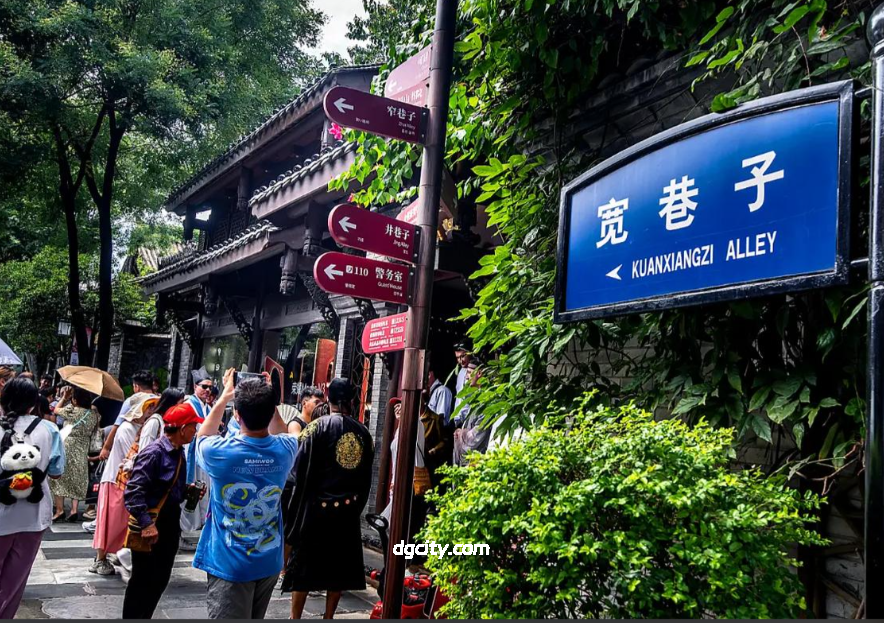
Zhai Alley is a fusion of literature and fashion. Only 4-6 meters wide, it is particularly deep and elegant, focusing on literary leisure and niche check-in spots, making it the favorite street for young people. It gathers cultural and creative shops, boutique coffee shops, art exhibition halls and characteristic homestays. There are not only old buildings from the late Qing Dynasty and the Republic of China, but also Chinese-Western style small western-style buildings, with a mixed style but no sense of incongruity. The remaining horse-tethering stones in the alley are physical witnesses of northern Eight Banners Culture in Western Sichuan, and the weathered stone surface tells a hundred years of history. Various niche cultural and creative shops hide Chengdu’s characteristic souvenirs such as Shu Embroidery, bamboo weaving and panda peripherals, which are not only perfect for taking photos, but also allow tourists to feel the charm of Bashu handicrafts. Compared with the liveliness of Kuan Alley, Zhai Alley is more quiet, suitable for strolling slowly and encountering niche surprises.
Jing Alley is the most historically profound street among the three alleys, and also a “three-dimensional history book” of Chengdu’s history. The core landscape here is the 380-meter-long brick culture wall, the only Museum wall with bricks as the carrier in China. Old bricks from different dynasties are built to show the thousand-year changes of Chengdu from Baodun Ancient City to the Ming and Qing Dynasties. Every brick carries a period of urban memory. Walking under the wall is like flipping through a vivid chronicle of Chengdu. Originally named Ruyi Alley, Jing Alley got its name from the ancient well in the alley during the Qing Dynasty. There is no excessive commercial noise here, but more cultural atmosphere and mortal fireworks. Street performers can be seen occasionally, matching the gray bricks of the ancient alley, creating a full atmosphere, suitable for tourists who like quietness and prefer history and culture to visit in depth.
When visiting Kuanzhai Alleys, food and folk customs are indispensable core experiences. The block gathers a huge number of Chengdu characteristic snacks, such as egg cakes, sugar oil fruits, San Dapao, Zhong Shui Jiao, ice jelly and rabbit heads. The aroma fills the air from the street to the end of the alley, satisfying the taste buds while feeling Chengdu’s food culture. In addition to snacks, the traditional teahouses in the block are the essence. Covered bowl tea is matched with Sichuan Opera stunts such as face-changing and fire-spitting, or authentic Sichuan storytelling, allowing tourists to immerse themselves in the leisure life of old Chengdu. In addition, intangible cultural heritage handicraft displays such as Shu Embroidery, bamboo weaving and sugar painting allow tourists to experience the charm of Bashu intangible cultural heritage at close range. Some shops also offer hands-on experiences to make exclusive souvenirs by themselves.
For practical travel tips, Kuanzhai Alleys is open all day for free without reservation. The recommended visiting duration is 3-4 hours, and it is better to avoid the daytime crowd peak and visit in the early morning or evening. Located in the core urban area of Chengdu, the block has convenient transportation, accessible by Subway and bus, and is adjacent to attractions such as Kuixinglou Street and People’s Park, which can be visited in series. In terms of consumption, the prices of shops in the core section of the alley are slightly higher, so it is recommended to choose local shops deep in the alley for higher cost performance. Wear comfortable flat shoes to facilitate walking on the bluestone road. Photo spots can be chosen at Kailu Arch, brick culture wall, courtyard gateway and other locations, easily taking atmospheric photos of the ancient alley.
Kuanzhai Alleys is never a simple commercial block, but a microcosm of old Chengdu’s life, a cultural space where history and modernity, tradition and fashion are perfectly integrated. Here, you can not only touch the historical texture of the Qing Dynasty ancient streets, but also feel the vivid mortal atmosphere of Chengdu today. Whether you are pursuing historical context, experiencing mortal life, taking photos, or looking for delicious food, you can find your own fun. It carries the past and present of Chengdu, a must-visit place to understand and fall in love with Chengdu, and an irreplaceable cultural business card in Sichuan’s tourism territory.



暂无评论内容