




The architectural and cultural significance of Xizhou Bai Ethnic Town reveals much about Yunnan’s historical development and the creative adaptations of its various ethnic populations.
Located within Yunnan’s diverse geographical and cultural landscape, this destination represents more than just a historical site—it’s a living community where traditions continue to shape daily life. The preservation efforts here reflect a growing awareness of cultural heritage’s importance, both for local identity and for understanding Yunnan’s place in regional history. Visitors to Xizhou Bai Ethnic Town encounter not just architecture and artifacts, but the ongoing story of how communities maintain their cultural distinctiveness in a changing world.
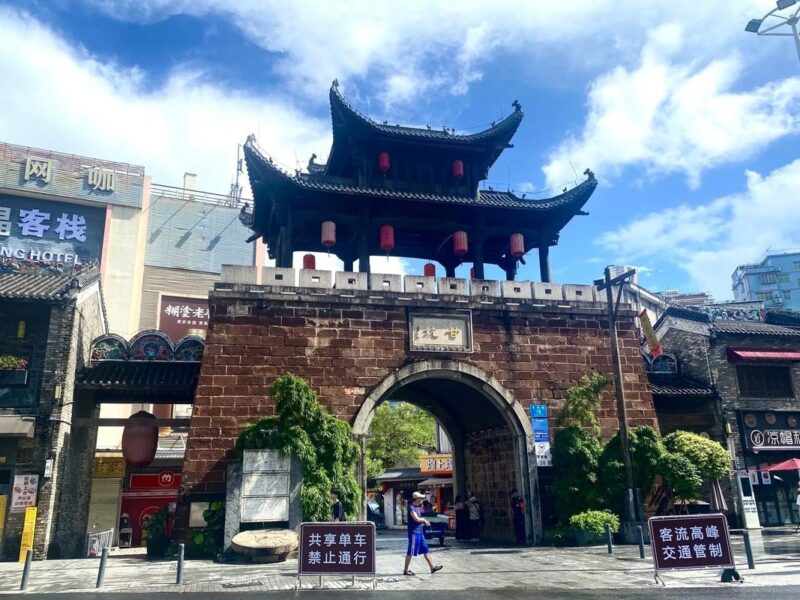
The historical significance of Xizhou Bai Ethnic Town extends beyond its physical boundaries. As part of Yunnan’s network of cultural sites, it contributes to a broader understanding of how ethnic groups have interacted, traded, and coexisted over centuries. The architectural styles found here often represent creative adaptations to local conditions, incorporating elements from different traditions while maintaining distinctive cultural identities. These buildings tell stories about materials, techniques, and aesthetic preferences that have evolved through generations of craftsmanship.
Cultural practices at Xizhou Bai Ethnic Town offer insights into how traditional knowledge is preserved and transmitted. From agricultural methods adapted to local environments to craft techniques passed down through families, these practices represent accumulated wisdom about sustainable living. Festivals and ceremonies observed here connect communities to seasonal cycles, historical events, and spiritual beliefs, creating rhythms that structure the annual calendar and reinforce social bonds. Participation in or observation of these events provides visitors with deeper appreciation for how Culture shapes perception of time and community.
The ethnic composition of Xizhou Bai Ethnic Town reflects Yunnan’s remarkable diversity. With more than 25 officially recognized ethnic groups in the province, this destination showcases how specific communities have developed unique cultural expressions while participating in regional networks. Language, clothing, cuisine, and artistic traditions here demonstrate both distinctiveness and interconnectedness, revealing patterns of cultural exchange and adaptation. Understanding these dynamics helps explain Yunnan’s reputation as a cultural crossroads within China and Southeast Asia.
Preservation challenges at Xizhou Bai Ethnic Town highlight broader issues facing cultural heritage sites worldwide. Balancing modernization with tradition, economic development with conservation, and tourism with authenticity requires careful planning and community involvement. The approaches taken here—whether through documentation, restoration, or sustainable tourism—offer models for other sites facing similar pressures. Success in these efforts depends on recognizing cultural heritage as dynamic rather than static, capable of evolving while maintaining core values and practices.
Visitor experiences at Xizhou Bai Ethnic Town are designed to foster understanding and appreciation without disrupting community life. Guided tours often include explanations of historical context, architectural features, and cultural significance, while opportunities for interaction with residents provide more personal perspectives. Respectful observation of daily activities, from market exchanges to domestic routines, offers glimpses into how tradition and modernity coexist. These experiences emphasize that cultural heritage involves living people, not just historical artifacts.
Educational value extends beyond tourism at Xizhou Bai Ethnic Town. Research conducted here contributes to academic understanding of Yunnan’s history, anthropology, and architecture, while community programs help transmit traditional knowledge to younger generations. Collaborations between local residents, scholars, and preservationists ensure that multiple perspectives inform conservation efforts. This multidisciplinary approach recognizes that cultural heritage encompasses tangible and intangible elements, both requiring attention and protection.
Economic aspects of cultural preservation at Xizhou Bai Ethnic Town demonstrate how heritage can contribute to sustainable development. Tourism revenue, when managed responsibly, supports conservation efforts and provides economic alternatives for local communities. Craft production, cultural performances, and guided services create employment while keeping traditional skills alive. These economic activities, when integrated with cultural values, help ensure that preservation efforts have practical benefits for those most directly involved in maintaining heritage.
Comparative perspectives place Xizhou Bai Ethnic Town within broader contexts of cultural preservation. Similarities and differences with other heritage sites in Yunnan and beyond reveal patterns in how communities approach tradition in modern contexts. International recognition, when applicable, brings attention to preservation efforts and facilitates exchange of expertise. These connections emphasize that cultural heritage, while locally specific, participates in global conversations about identity, preservation, and sustainable development.
Future prospects for Xizhou Bai Ethnic Town depend on continued commitment to balancing preservation with adaptation. Climate change, economic pressures, and demographic shifts present challenges requiring innovative responses. Community-led initiatives, supported by appropriate policies and resources, offer the most promising approaches to ensuring that cultural heritage remains vibrant rather than becoming merely historical. The ongoing story of Xizhou Bai Ethnic Town will likely involve both continuity and change, as communities navigate preserving essence while embracing evolution.
Personal reflections from visitors often highlight how experiences at Xizhou Bai Ethnic Town challenge assumptions about cultural preservation and modernization. Encounters with living traditions prompt reconsideration of what constitutes ‘authenticity’ in cultural experiences and how tourism can support rather than undermine heritage values. These reflections contribute to more thoughtful approaches to cultural tourism generally, emphasizing respect, learning, and mutual benefit.
Photographic opportunities at Xizhou Bai Ethnic Town extend beyond typical tourist images to document architectural details, cultural practices, and community life. Ethical photography respects privacy and cultural sensitivities while capturing the essence of this living heritage site. The resulting images, when shared responsibly, can raise awareness about cultural preservation and inspire others to visit with similar respect and curiosity.
Seasonal variations affect experiences at Xizhou Bai Ethnic Town, with different times of year offering distinct perspectives on cultural life. Festival periods provide particularly rich opportunities to observe traditional celebrations, though they also require greater sensitivity to community priorities. Off-season visits may allow for more intimate interactions and deeper understanding of daily rhythms beyond special events.
Accessibility considerations at Xizhou Bai Ethnic Town reflect efforts to share cultural heritage while respecting community boundaries. Infrastructure developments balance visitor needs with preservation priorities, ensuring that increased access doesn’t compromise cultural values. These considerations exemplify the complex negotiations involved in making heritage sites available for appreciation while protecting their essential character.
Research contributions from Xizhou Bai Ethnic Town to broader understanding of Yunnan’s cultural history continue to evolve. Archaeological findings, ethnographic studies, and architectural analyses conducted here inform regional historical narratives and preservation methodologies. This research, when shared with appropriate audiences, enhances appreciation for Yunnan’s cultural complexity and the specific contributions of this community.
Community perspectives remain central to understanding Xizhou Bai Ethnic Town’s significance. Residents’ views on preservation, tourism, and cultural transmission provide essential insights that complement academic and administrative approaches. Their ongoing participation in decision-making helps ensure that preservation efforts align with community values and needs, creating more sustainable outcomes for cultural heritage.
International visitors to Xizhou Bai Ethnic Town often remark on how the experience expands their understanding of China’s cultural diversity beyond more widely known destinations. The opportunity to encounter living traditions in authentic contexts provides counterpoints to stereotypical representations of Chinese Culture, revealing the richness of regional and ethnic variations within the country.
Educational programs associated with Xizhou Bai Ethnic Town serve multiple audiences, from local schoolchildren learning about their heritage to university students conducting research to tourists seeking deeper understanding. These programs, when well-designed, create bridges between different knowledge systems and foster appreciation for cultural preservation’s importance across generations and backgrounds.
The role of Xizhou Bai Ethnic Town in regional cultural networks highlights how individual heritage sites contribute to broader preservation efforts. Collaborations with other sites, cultural organizations, and educational institutions create synergies that benefit all participants. These networks help distribute resources, share expertise, and coordinate approaches to common challenges in cultural preservation.
Long-term sustainability at Xizhou Bai Ethnic Town depends on integrating cultural preservation with community wellbeing. Approaches that address economic, social, and environmental dimensions alongside cultural concerns offer the most promising paths forward. The experiences and lessons from this site contribute to developing more holistic models of heritage preservation applicable in similar contexts elsewhere.
In conclusion, Xizhou Bai Ethnic Town represents a vital component of Yunnan’s cultural heritage, offering insights into historical development, ethnic diversity, and preservation challenges. Its continued vitality depends on balanced approaches that respect community agency while sharing cultural treasures with interested visitors. As a living heritage site, it demonstrates that cultural preservation involves not just protecting the past, but nurturing traditions that remain relevant to contemporary life.









暂无评论内容