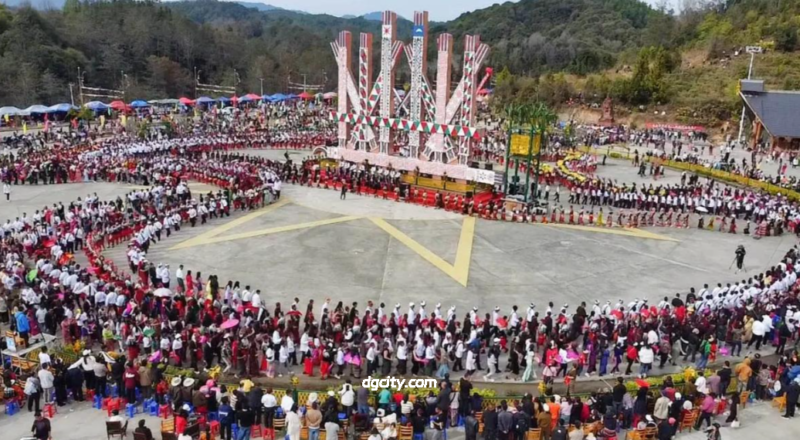





Dehong Dai and Jingpo Autonomous Prefecture, in western Yunnan bordering Myanmar, represents a cultural crossroads where Chinese, Southeast Asian, and South Asian influences converge. Home primarily to Dai and Jingpo ethnic groups, with significant populations of Achang, Lisu, and De’ang communities, this border region has developed festival traditions that reflect transnational ethnic connections, historical trade routes, and adaptive cultural syntheses. Positioned along the ancient Southern Silk Road and contemporary China-Myanmar economic corridors, Dehong’s festivals celebrate both distinct ethnic identities and the hybridities that emerge in borderland contexts. This guide explores Dehong’s festival landscape, offering insights into how border Cultures maintain traditions while engaging in cross-border exchanges and adapting to geopolitical realities.
The Dai Water-Splashing Festival in Dehong incorporates distinctive elements shaped by the region’s border location and historical connections to Myanmar’s Shan State. While sharing basic features with celebrations in Xishuangbanna—water splashing, dragon boat racing, Buddhist ceremonies—Dehong’s version includes cross-border participation, with Dai/Shan communities from Myanmar often joining festivities. The festival’s opening ceremony at the border town of Ruili features joint processions with participants from both countries, symbolizing ethnic continuity across political boundaries. The water-splashing activities in Dehong sometimes employ traditional Myanmar-style water vessels and musical instruments, reflecting historical cultural exchanges. The festival also includes “border market” events where traders from both sides sell handicrafts, textiles, and foods, recreating historical trade patterns along the Southern Silk Road. For visitors, Dehong’s Water-Splashing Festival offers unique perspectives on how ethnic identities navigate modern borders, maintaining cultural connections that predate and sometimes transcend nation-state divisions.
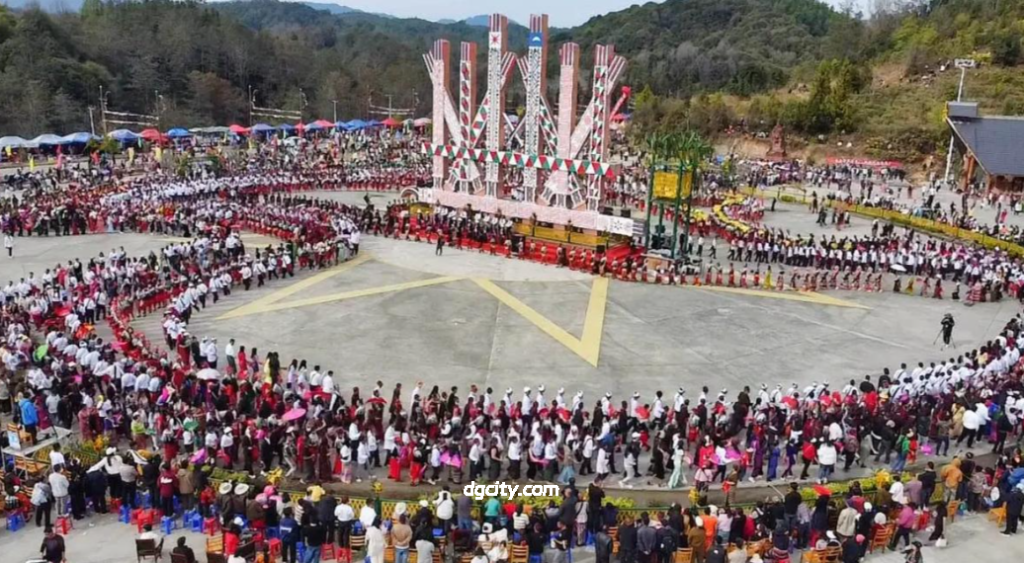
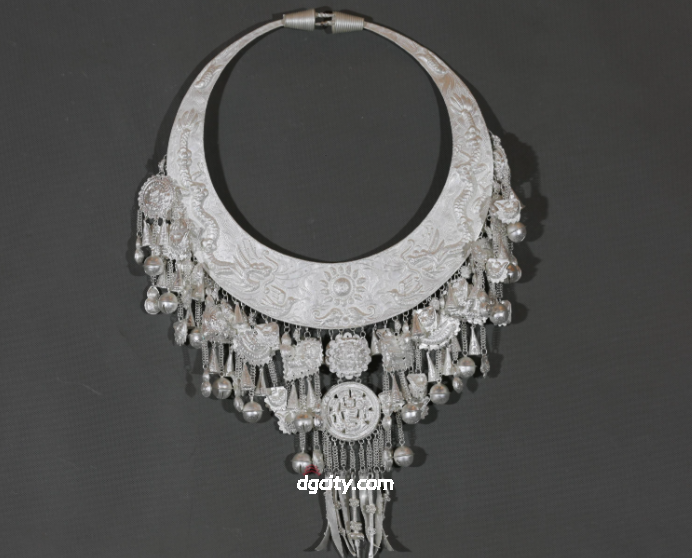
The Jingpo people’s Munao Festival stands as one of Yunnan’s most visually spectacular celebrations, featuring thousands of dancers moving in synchronized patterns to the rhythm of giant drums. Held according to the Jingpo agricultural calendar, usually after harvest season, Munao serves multiple purposes: honoring ancestors, reinforcing community solidarity, celebrating agricultural success, and transmitting cultural knowledge through performance. The festival’s centerpiece is the “Munao ground,” a specially prepared dancing area where participants follow intricate choreographies led by ritual specialists. The dances, accompanied by the deep resonance of “muyu” (wooden drums) and the shimmering sounds of gongs and cymbals, create powerful auditory and visual experiences that can continue for days. traditional Jingpo costumes, featuring elaborate silver ornaments, beadwork, and woven patterns, add to the spectacle, with different designs indicating clan affiliations, social status, and regional origins. For visitors, Munao offers immersion in Jingpo Culture at its most vibrant, with opportunities to witness not just performance but the complex social and spiritual dimensions that the festival embodies.
Dehong’s border markets transform into festival venues during traditional trading celebrations that blend commerce with Culture. The “Border Trade Fair Festival” in Ruili or Wanding features not only商品 exchange but also cultural performances, culinary demonstrations, and craft workshops from communities on both sides of the border. These events often include “friendship matches” in traditional sports like chinlone (cane ball, a Myanmar sport), cross-border cooking competitions, and joint musical performances. The festival’s economic dimensions—facilitating legal trade, promoting tourism, strengthening cross-border economic ties—coexist with cultural functions of maintaining ethnic connections and fostering mutual understanding. For visitors interested in border economies and transnational communities, these festivals offer insights into how cultural traditions adapt to and sometimes facilitate contemporary border management and economic integration.
The Achang people, one of Yunnan’s smaller ethnic groups concentrated in Dehong, celebrate their unique “Husa Knife Festival,” honoring the renowned swordsmithing tradition for which they are famous throughout Yunnan. The festival features demonstrations of traditional forge techniques, competitions in knife-making skill, displays of historical and contemporary blades, and rituals honoring the patron deity of blacksmiths. Contemporary versions of the festival often include discussions about preserving traditional crafts in modern economies, with exhibitions of Achang knives used in both practical applications (agriculture, hunting, household use) and as cultural artifacts and collector’s items. For visitors, the Husa Knife Festival offers insights into how specialized artisanal traditions become central to ethnic identity and economic adaptation, with skills passed through generations maintaining cultural continuity while responding to changing markets.
Dehong’s cross-cultural festivals reflect the region’s history of ethnic interaction and religious diversity. The “Multi-Faith New Year Festival” in Mangshi, the prefectural capital, features simultaneous celebrations by Buddhist (Dai, Chinese), Christian (Jingpo, Lisu), and animist communities, creating a unique interreligious dialogue through parallel festivities. The festival includes shared public events where different religious leaders offer blessings, joint community service projects, and cultural performances that highlight both distinct traditions and common values. For visitors interested in religious diversity and interfaith relations, this festival offers models of how different belief systems coexist and sometimes collaborate in borderland contexts where no single tradition dominates.
The De’ang people, another of Dehong’s smaller ethnic groups known for their tea cultivation traditions, celebrate the “Tea Ancestor Festival,” honoring the legendary figure who first taught tea cultivation to the De’ang. The festival features rituals at ancient tea trees (some believed to be over a thousand years old), demonstrations of traditional tea processing techniques, and ceremonies asking for abundant harvests and high-quality leaves. Contemporary versions often include tea tasting sessions, discussions about organic tea cultivation and fair trade practices, and exhibitions of De’ang tea culture including traditional tea utensils, storage methods, and preparation rituals. For visitors interested in tea culture and sustainable agriculture, this festival offers insights into how a specific crop becomes central to ethnic identity and economic survival, with cultural traditions that reinforce ecological knowledge and quality standards.
For travelers seeking authentic festival experiences, Dehong offers opportunities ranging from large public celebrations in border towns to intimate village events in remote communities. While Ruili and Mangshi provide convenient access to major festivals with tourist infrastructure, more traditional experiences often occur in Dai villages along the border or Jingpo communities in mountainous areas. Cross-border festival participation, while theoretically possible, requires careful attention to visa regulations and border crossing procedures, with some festivals specifically designed to accommodate international visitors through simplified border arrangements. Homestay programs in ethnic villages allow deep cultural immersion, with opportunities to participate in household preparations, learn traditional crafts like weaving or silversmithing, and experience the daily rhythms of borderland life.
Practical considerations for experiencing Dehong’s festivals include understanding border regulations, preparing for tropical climate conditions, and being mindful of cultural protocols in multi-ethnic settings. Border areas have specific security considerations, with requirements for documentation and restrictions on photography near border markers. The region’s lowland tropical climate means hot, humid conditions for much of the year, requiring appropriate clothing, hydration, and sun protection. Cultural protocols vary between ethnic groups—Buddhist Dai communities have different expectations than Christian Jingpo villages or animist De’ang settlements—so local guidance is essential for respectful participation. Accommodation ranges from international-standard hotels in border towns to basic guesthouses in ethnic villages, with options for most budgets and comfort levels.
Dehong’s festival traditions face contemporary challenges including border security concerns that sometimes restrict cross-border participation, economic pressures that draw young people to cities, and tourism development that risks commercializing authentic practices. However, community-led initiatives have emerged that use festival tourism to support traditional arts, fund cultural education programs, and create economic opportunities that allow young people to maintain connections to their heritage. Cross-border cultural exchanges, sometimes supported by government cultural agreements or NGO projects, help sustain transnational ethnic connections despite political boundaries. Visitors can support these sustainable approaches by choosing responsible tour operators, purchasing authentic crafts directly from artisans, and participating in cultural exchanges that recognize the value of borderland traditions.
Whether witnessing the synchronized power of Munao dances, experiencing the cross-border dimensions of Water-Splashing celebrations, learning about specialized crafts like Achang knife-making, or simply absorbing the unique atmosphere of borderland festivals where multiple cultures intersect, visitors to Dehong encounter a cultural world shaped by boundaries both physical and political. The region’s festivals offer windows into how ethnic identities maintain continuity across borders, adapt to geopolitical realities, and create vibrant cultural expressions from the resources of contact zones. For travelers seeking to understand China’s southwestern frontiers and their connections to Southeast Asia, Dehong’s festival calendar provides essential experiences that illuminate the complexities and creativities of borderland life.




暂无评论内容