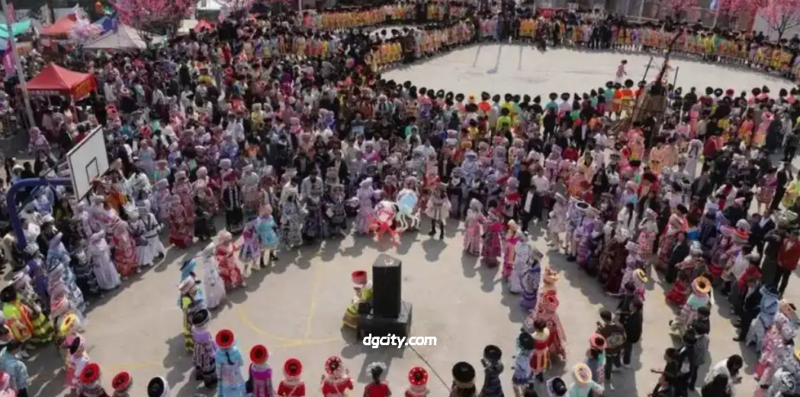





Zhaotong, in northeastern Yunnan bordering Sichuan and Guizhou provinces, represents a cultural transition zone where Yunnan’s ethnic diversity meets the Han Chinese Heartland. As one of Yunnan’s more economically developed but less touristed regions, Zhaotong has developed festival traditions that blend Han Chinese customs with influences from Yi, Miao, and Hui ethnic groups, creating unique cultural syntheses shaped by historical migration, trade routes, and agricultural adaptations to high-altitude plateau environments. Unlike the more famous ethnic festival destinations in southern and western Yunnan, Zhaotong’s celebrations often feature less commercialized, more community-focused expressions of cultural identity that reflect the region’s position between multiple cultural spheres. This guide explores Zhaotong’s festival landscape, offering insights into how borderland Cultures in Yunnan’s northeast maintain traditions while engaging with broader Chinese cultural currents.
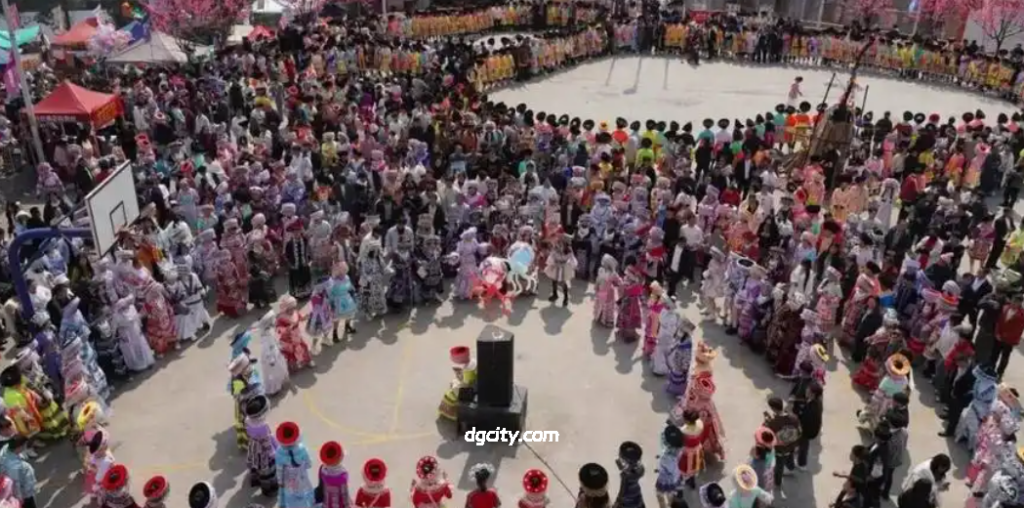
The Yi Torch Festival in Zhaotong features distinctive local characteristics shaped by the region’s specific Yi subgroups and historical interactions with Han communities. While sharing basic elements with Torch Festival celebrations elsewhere—bonfire lighting, traditional dancing, livestock competitions—Zhaotong’s version incorporates unique musical traditions, costume variations, and ritual sequences. The festival’s opening ceremony often includes performances of “Ashima,” the epic love story central to Yi Culture, presented through traditional singing styles specific to Zhaotong’s Yi communities. The torch processions follow routes that connect historically significant sites like ancient battlefields, ancestral graves, and traditional meeting grounds, embedding contemporary celebrations within historical landscapes. The festival’s bullfighting events feature animals bred specifically for the rocky terrain of northeastern Yunnan, with judging criteria that emphasize agility on uneven ground as well as raw strength. For visitors, Zhaotong’s Torch Festival offers a less commercialized alternative to more famous celebrations in Chuxiong or Liangshan, with opportunities to experience Yi traditions in communities that have maintained strong cultural continuity despite proximity to Han population centers.
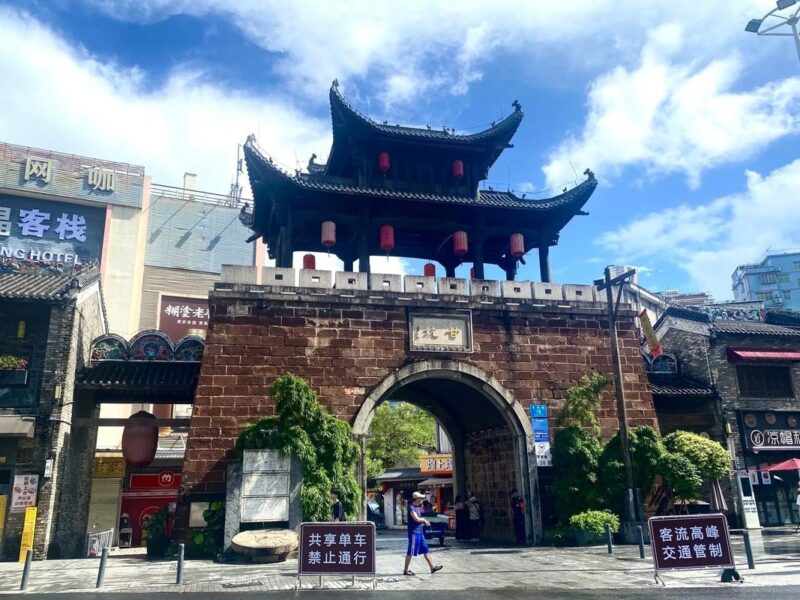
Zhaotong’s Han Chinese communities celebrate traditional festivals with local adaptations shaped by the region’s climate, agricultural patterns, and historical development. The Spring Festival features distinctive Zhaotong foods like “Yunnan ham” (actually originating in Xuanwei, now part of Zhaotong), smoked and aged according to methods developed over centuries in the region’s cool, dry climate. The festival’s temple fairs at locations like the Dousha Pass Ancient Town include performances of local opera forms that blend Sichuan, Guizhou, and Yunnan influences, reflecting Zhaotong’s position at the intersection of provincial Cultures. The Dragon Boat Festival on the Jinsha River incorporates boat designs and racing styles adapted to the river’s specific currents and conditions, with competitions that test skill in navigating rapids as well as speed in straight sections. These Han festival traditions, while sharing basic frameworks with celebrations across China, demonstrate how local environments and historical circumstances create distinctive regional variations even within mainstream Chinese culture.
The Miao people in Zhaotong’s mountainous areas celebrate their traditional festivals with particular emphasis on silver ornament craftsmanship, for which Zhaotong’s Miao communities are renowned throughout Yunnan. The “Silver Festival” features exhibitions of traditional silversmithing techniques, competitions for the most intricate jewelry designs, and fashion shows where Miao women display heirloom and contemporary silver pieces. The festival includes workshops where visitors can learn basic silversmithing skills under master craftspeople’s guidance, creating simple pieces to take home. Beyond the craft focus, the festival features traditional Miao music performed on the lusheng (mouth organ) and traditional dances where the shimmering sound of silver ornaments provides rhythmic accompaniment. For visitors interested in traditional crafts and sustainable cultural tourism, Zhaotong’s Silver Festival offers opportunities to support artisanal traditions while learning about Miao aesthetic values and technical mastery.
Zhaotong’s Hui Muslim communities celebrate Islamic festivals with local characteristics shaped by the region’s history as a trading center along routes connecting Yunnan with Central Asia. The Eid al-Fitr celebrations in Zhaotong’s Hui neighborhoods feature special foods that incorporate Yunnan ingredients into traditional Islamic cuisine, such as rice-based dishes adapted from local Han and ethnic minority cooking traditions. The festival includes visits to historic mosques like the Nancheng Mosque, with architecture that blends Chinese courtyard styles with Islamic decorative elements, reflecting centuries of cultural adaptation. For visitors interested in religious diversity and Islamic culture in China, Zhaotong’s Eid celebrations offer insights into how Muslim communities maintain religious traditions while incorporating local cultural elements in a region where Islam represents a minority faith.
Agricultural festivals in Zhaotong reflect adaptation to the region’s high-altitude plateau environment and mixed farming systems. The “Potato Festival” celebrates Zhaotong’s status as a major potato-producing region, with competitions for the largest tubers, most unusual varieties, and best-prepared potato dishes. The festival includes demonstrations of traditional and modern potato cultivation techniques, discussions about food security and agricultural sustainability, and tastings of potato-based foods ranging from simple roasted potatoes to elaborate dishes incorporating this humble staple. Similarly, the “Apple Festival” in Zhaotong’s apple-growing areas features orchard tours, apple tasting sessions comparing different varieties, and competitions for apple-based products like ciders, pies, and preserves. These agricultural festivals demonstrate how Zhaotong’s communities celebrate and promote local food systems, creating cultural events that support rural economies while educating visitors about regional agricultural specialties.
Zhaotong’s historical role as a transportation hub along routes connecting Yunnan with Sichuan and Guizhou finds expression in festivals celebrating trade and migration histories. The “Ancient Road Festival” features reenactments of horse caravan journeys along the historic routes that passed through Zhaotong, with demonstrations of how goods were transported, packaged, and traded. The festival includes cultural performances representing the various ethnic groups who participated in this trade, as well as exhibitions of historical artifacts discovered along ancient road routes. Contemporary versions of the festival often include discussions about transportation development, regional economic integration, and cultural exchanges facilitated by improved connectivity. For visitors interested in historical geography and trade networks, this festival offers insights into how Zhaotong’s position between regions has shaped its cultural development over centuries.
For travelers seeking authentic festival experiences, Zhaotong offers opportunities to encounter traditions less altered by mass tourism than in more famous Yunnan destinations. While the region receives fewer international visitors, those who venture to Zhaotong find genuine community celebrations with minimal commercial packaging. Many ethnic villages welcome respectful visitors during festivals, especially those who arrange visits through local contacts or community organizations. Homestay programs in Yi, Miao, or Han villages allow deep cultural immersion, with opportunities to participate in festival preparations, learn traditional crafts or cooking methods, and experience the strong sense of community that characterizes Zhaotong’s rural areas. The region’s developing tourism infrastructure means services may be basic but interactions often feel more personal and less transactional than in heavily touristed areas.
Practical considerations for experiencing Zhaotong’s festivals include preparing for the region’s cooler climate (higher altitude than much of Yunnan), understanding transportation logistics in a less-developed tourism region, and being mindful of cultural protocols in communities with limited exposure to foreign visitors. Zhaotong’s climate features distinct seasons with cold winters and mild summers, requiring appropriate clothing for outdoor festival activities. Transportation between festival sites may involve rural roads with limited public transport, so hiring local drivers or joining organized tours is advisable. Accommodation ranges from basic guesthouses in county towns to very simple homestays in villages, with few luxury options available. Cultural protocols emphasize respect for community elders, modest dress (especially in religious contexts), and patience with communication challenges in areas where English is rarely spoken.
Zhaotong’s festival traditions face challenges including youth migration to cities, economic pressures on agricultural communities, and limited tourism development that provides both opportunities and risks for cultural preservation. However, community-led initiatives have emerged that use festival tourism to support traditional arts, fund cultural education programs, and create economic alternatives that allow young people to maintain connections to their heritage. Agricultural festivals in particular have shown potential for linking cultural preservation with economic development, by promoting local food products and creating markets for traditional crafts. Visitors can support these sustainable approaches by choosing community-based tourism initiatives, purchasing authentic local products directly from producers, and participating in cultural exchanges that recognize the value of Zhaotong’s distinctive traditions.
Whether experiencing the fiery spectacle of Yi Torch Festival celebrations, learning about exquisite Miao silver craftsmanship, tasting unique local foods at agricultural festivals, or simply absorbing the atmosphere of community celebrations in Yunnan’s less-visited northeast, visitors to Zhaotong encounter cultural traditions that reflect both regional distinctiveness and connections to broader Chinese cultural currents. The region’s festivals offer windows into how borderland cultures maintain identity while engaging in exchange, how agricultural adaptations shape cultural expressions, and how communities celebrate resilience in challenging environments. For travelers seeking to understand Yunnan’s full cultural diversity beyond the well-known southern and western destinations, Zhaotong’s festival calendar provides essential perspectives on the province’s northeastern frontiers and their unique cultural syntheses.






暂无评论内容