




Dehong Dai and Jingpo Autonomous Prefecture, on Yunnan’s western border with Myanmar, possesses craft traditions that reflect its position as a cultural crossroads where Chinese, Southeast Asian, and indigenous ethnic influences converge. The arts and crafts of Dehong demonstrate unique syntheses resulting from historical trade, ethnic interactions, and adaptation to tropical borderland environments. With Dai, Jingpo, Achang, De’ang, and other ethnic groups maintaining distinct craft traditions while also influencing each other, Dehong offers particularly rich examples of how border regions foster artistic diversity and innovation. This guide explores Dehong’s artistic landscape, focusing on the distinctive craft traditions of its major ethnic groups, cross-cultural influences, and how border dynamics shape artistic production in this strategically important region.
Dai craft traditions in Dehong show both similarities to and differences from Dai crafts in Xishuangbanna, reflecting historical connections to Myanmar’s Shan State and adaptation to Dehong’s specific environment. Dai Buddhist temple arts feature architectural styles and decorative elements that incorporate influences from Burmese Buddhist art, visible in temple roof designs, mural painting styles, and sculptural details. Dai textile arts in Dehong include sophisticated weaving techniques producing brocades with patterns that sometimes show Shan or Burmese influences alongside traditional Dai motifs. The distinctive Dehong Dai women’s costume, with its tightly wrapped skirt and elaborate silver belt, represents a regional variation developed through borderland cultural exchanges. Dai silversmithing in Dehong produces jewelry that may incorporate design elements from neighboring ethnic groups or across-border influences, while maintaining core Dai aesthetic principles. These craft traditions are maintained by Dai artisans in communities along the border, with some practicing cross-border trade in craft materials or finished items, reflecting the region’s historical role as a trade corridor.
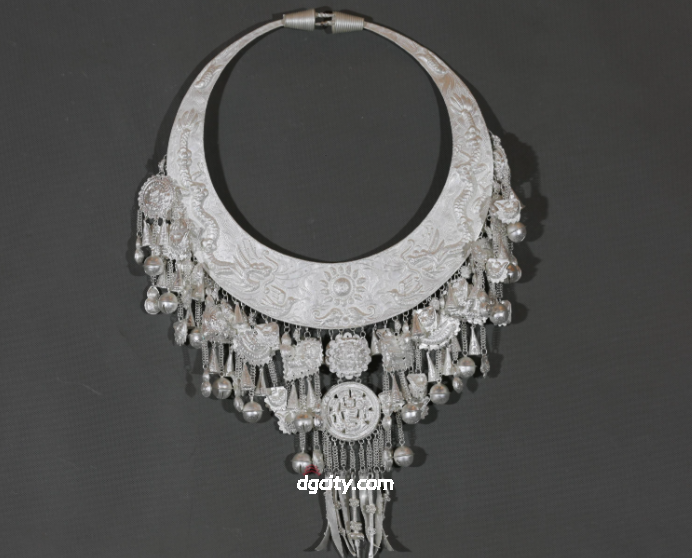
Jingpo craft traditions represent some of Dehong’s most visually striking and culturally significant artistic expressions, particularly in textile arts and silversmithing. Jingpo women’s traditional costume features elaborate silver ornaments, beadwork, and woven textiles that indicate age, marital status, and sometimes clan affiliation. The characteristic Jingpo woman’s costume includes a black velvet jacket decorated with rows of silver studs, a woven wool skirt with horizontal stripes, leggings, and an elaborate headdress featuring silver ornaments, beads, and feathers. The silverwork demonstrates exceptional technical sophistication, with techniques like filigree, granulation, and repoussé creating intricate patterns often depicting natural motifs or symbolic designs. Jingpo textile arts include backstrap loom weaving producing the distinctive striped skirts, with patterns and colors that vary by subgroup and region. These craft traditions are maintained primarily by women artisans, with knowledge transmission occurring within households and through women’s cooperative organizations that have emerged to market traditional crafts while ensuring cultural continuity.
Achang craft traditions center on the renowned Husa knife-making for which this ethnic group is famous throughout Yunnan and beyond. The Achang people of Dehong have developed sophisticated metallurgical techniques over centuries, producing knives, swords, and agricultural tools prized for their quality, durability, and aesthetic appeal. Traditional Achang knife-making involves multiple stages: selecting appropriate steel (historically from local sources, now often from industrial steel), forging to create the blade shape and temper, grinding and polishing to achieve sharpness and finish, and creating handles from materials like wood, horn, or bone often decorated with silver or brass fittings. The craft’s cultural dimensions include rituals honoring the patron deity of blacksmiths, specific designs for different purposes (hunting, agricultural, ceremonial), and the social status associated with master knife-makers. Contemporary Achang artisans balance preservation of traditional techniques with adaptation to modern markets, creating both functional tools and decorative collector items. Several workshops in the Husa area demonstrate traditional knife-making techniques, with opportunities for visitors to observe the process and purchase authentic Achang knives.
De’ang craft traditions focus on tea-related arts reflecting this ethnic group’s historical specialization in tea cultivation. The De’ang people, one of China’s smallest ethnic groups concentrated in Dehong, maintain traditions of bamboo tea container making, tea processing tool crafting, and creating ceremonial items for tea-related rituals. bamboo crafts produce containers for storing and transporting tea leaves, with weaving techniques that create airtight seals to preserve tea quality. Wood crafts include tea presses for compressing tea into cakes or bricks, drying racks, and grinding tools. Silverwork appears in ceremonial tea utensils used in important rituals. These tea-related crafts demonstrate how specialized agricultural knowledge becomes embodied in material Culture, with craft traditions supporting and expressing the De’ang’s central cultural activity. While less commercially prominent than some other ethnic crafts, De’ang tea crafts hold deep cultural significance and are maintained by artisans who often combine craft production with tea cultivation.
Cross-cultural craft influences in Dehong’s border environment create unique hybrid forms not found in more ethnically homogeneous regions. Examples include Dai-Jingpo textile designs that combine weaving techniques from both groups, Achang knife designs adapted with decorative elements from Dai or Jingpo Metalwork, and architectural details that blend different ethnic building traditions. These hybrid crafts often emerge in ethnically mixed communities or through artisan collaborations, reflecting Dehong’s history of interethnic exchange and coexistence. Some contemporary artisans intentionally explore these hybrid possibilities, creating works that comment on borderland identity and cultural synthesis. For visitors interested in cultural hybridity and border dynamics, these cross-cultural crafts offer fascinating examples of how artistic traditions adapt and blend in contact zones.
For visitors seeking hands-on craft experiences, Dehong offers opportunities through cultural centers, artisan workshops, and some community tourism initiatives. The Dehong Ethnic Culture Center in Mangshi organizes demonstrations of traditional crafts from different ethnic groups, with opportunities to try basic techniques under artisan guidance. Several knife-making workshops in the Husa area offer demonstrations of Achang blade forging and finishing. Weaving cooperatives in Jingpo villages sometimes welcome visitors to observe textile production and learn about pattern meanings. These interactive experiences, while necessarily introductory, provide deeper understanding of Dehong’s diverse craft traditions and their cultural contexts than passive observation alone.
Dehong’s craft markets range from border trade fairs featuring crafts from both sides of the China-Myanmar border to more localized markets serving specific ethnic communities. The Ruili border market includes craft sections where Dai, Jingpo, and sometimes Burmese artisans sell their work, offering opportunities to compare similar crafts from different cultural contexts. The Mangshi weekend market features crafts from across Dehong’s ethnic groups, with better prices and more authentic selections than tourist-oriented shops. For serious collectors, several galleries in Mangshi and Ruili specialize in high-quality ethnic crafts, with documentation of materials, techniques, and cultural meanings. The annual Dehong Water-Splashing Festival and Jingpo Munao Festival include craft exhibitions and demonstrations, providing concentrated opportunities to encounter diverse artistic traditions within festive contexts.
Dehong’s craft traditions face contemporary challenges including border security concerns that sometimes restrict cross-border material flows and artisan movements, competition from factory-made imitations, and economic pressures that draw young people away from traditional crafts. However, several factors support preservation: strong ethnic identities that value traditional crafts as cultural markers, border tourism that creates markets for authentic ethnic items, and cultural education programs that teach traditional techniques in schools. Cross-border craft exchanges, sometimes facilitated by cultural agreements or NGO projects, help sustain transnational ethnic connections despite political boundaries. Visitors can support preservation efforts by purchasing authentic crafts directly from artisans or cooperatives, choosing items with documentation of ethnic origin and techniques, and engaging respectfully with borderland crafts as expressions of complex cultural identities shaped by geographic and political realities.
Whether admiring the intricate silverwork of Jingpo costumes, learning about the sophisticated metallurgy of Achang knife-making, observing the cross-cultural influences in Dai temple arts, or trying hands-on craft techniques in borderland workshops, visitors to Dehong encounter artistic traditions that reflect the region’s unique position at the intersection of multiple cultural spheres. The crafts of Dehong offer windows into how border environments foster both cultural preservation and innovation, how ethnic identities maintain distinctiveness while engaging in exchange, and how artistic traditions adapt to geopolitical realities. For travelers seeking to understand China’s southwestern frontiers and their connections to Southeast Asia, Dehong’s artistic heritage provides essential perspectives on cultural flows, adaptations, and syntheses in one of Asia’s most dynamic border regions.




暂无评论内容