




Zhaotong, in northeastern Yunnan bordering Sichuan and Guizhou provinces, possesses craft traditions that reflect its position as a cultural transition zone where Yunnan’s ethnic diversity meets the Han Chinese Heartland. Unlike the more famous ethnic craft regions of southern and western Yunnan, Zhaotong’s artistic landscape features stronger Han Chinese influences alongside distinctive local adaptations by Yi, Miao, and Hui communities. The crafts of Zhaotong demonstrate how borderland environments foster both cultural preservation and synthesis, with techniques and designs that show influences from multiple provincial traditions while maintaining local characteristics. This guide explores Zhaotong’s artistic landscape, focusing on crafts that embody the region’s unique cultural position, practical adaptations to high-altitude plateau environment, and historical exchanges along trade routes connecting Yunnan with Central China.
Yi craft traditions in Zhaotong feature distinctive local characteristics shaped by the region’s specific Yi subgroups and their historical interactions with Han communities. Yi textile arts include weaving, Embroidery, and batik techniques that produce the characteristic black-based costumes with bright decorative elements. The embroidery motifs often incorporate geometric patterns, floral designs, and symbolic animals with meanings specific to Zhaotong’s Yi communities. Yi silverwork produces jewelry items like necklaces, bracelets, and hair ornaments, with designs that may show influences from both traditional Yi aesthetics and Han Chinese decorative arts due to historical exchanges. These craft traditions are maintained primarily by women artisans, with knowledge transmission occurring within households and through women’s cooperative organizations that have emerged to market traditional crafts while ensuring cultural continuity. Contemporary Yi artisans in Zhaotong balance preservation of traditional patterns with innovation for modern markets, creating items that maintain cultural identity while adapting to changing tastes and uses.
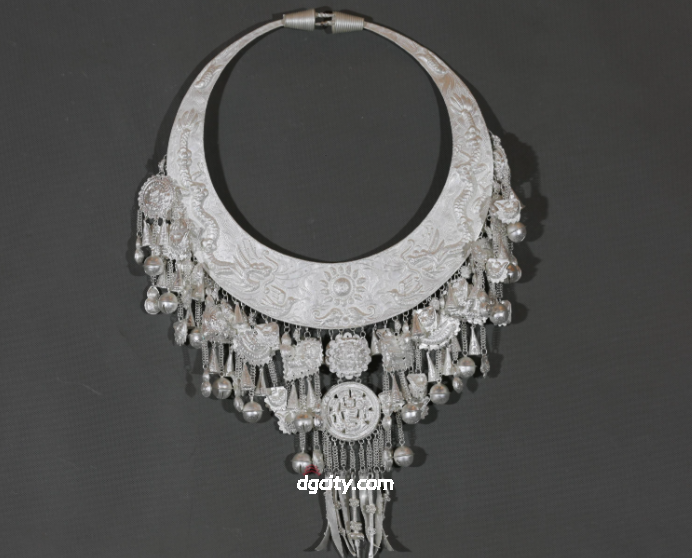
Miao craft traditions in Zhaotong are particularly renowned for silver ornament craftsmanship, with Zhaotong’s Miao communities producing some of Yunnan’s finest silverwork. The elaborate silver headdresses, necklaces, bracelets, and chest ornaments worn by Miao women during festivals represent extraordinary technical achievements in metal craft, featuring techniques like filigree, repoussé, granulation, and Enamel Work. The designs incorporate symbolic motifs from Miao mythology, natural forms from the local environment, and geometric patterns with protective meanings. Beyond silverwork, Miao textile arts include batik (wax-resist dyeing) with intricate patterns, Embroidery with symbolic color codes, and weaving techniques that produce distinctive striped and checked fabrics. These craft traditions are maintained through rigorous apprenticeship systems, with young Miao women traditionally learning skills from elder female relatives as essential aspects of cultural identity and marriageability. Contemporary Miao artisans face challenges from factory-made imitations and changing lifestyle preferences but continue to produce exceptional work for both cultural use and commercial markets.
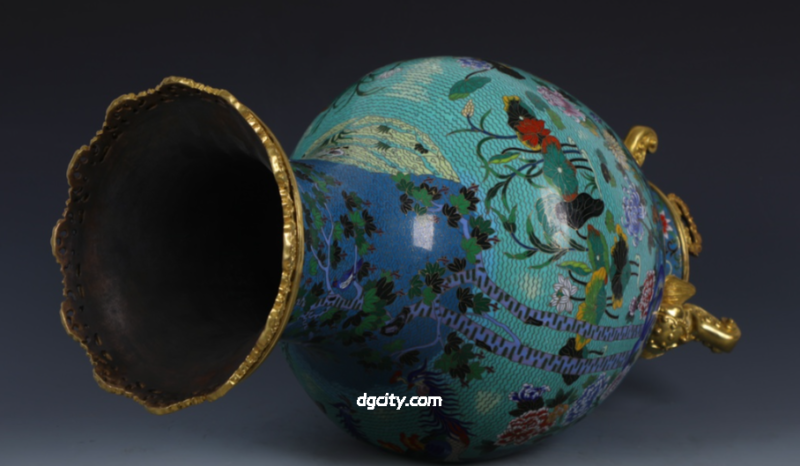
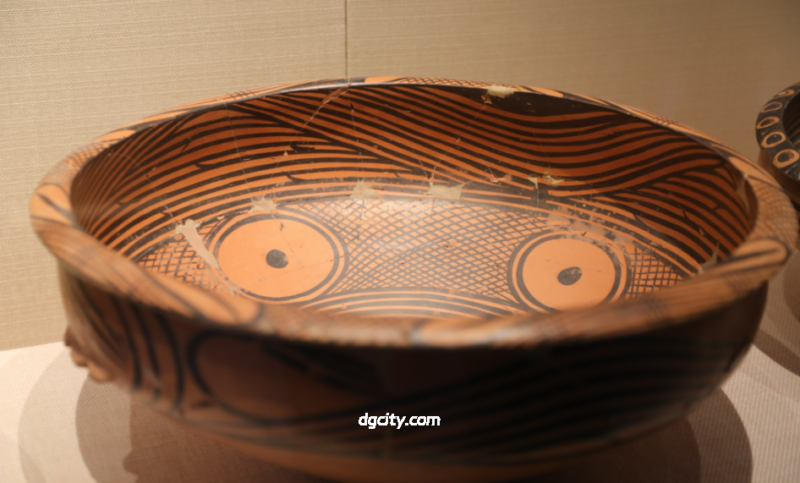
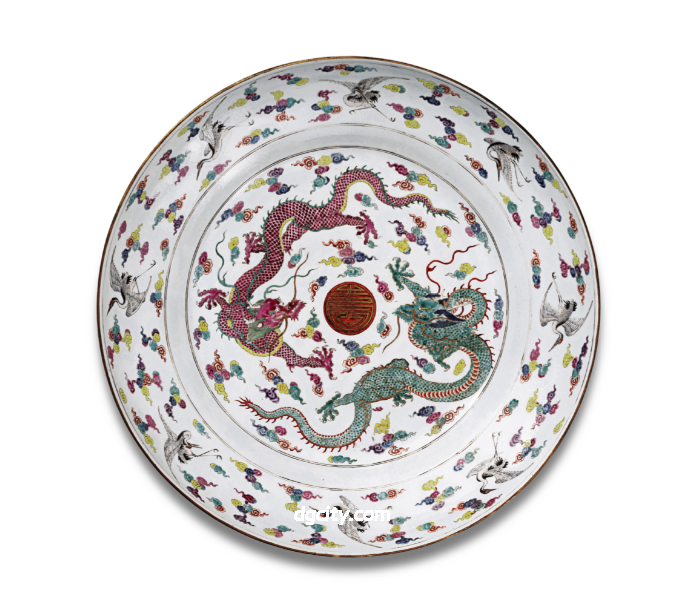
Han Chinese craft traditions in Zhaotong show local adaptations shaped by the region’s climate, resources, and historical development. pottery and porcelain production, while not as famous as in some other regions, includes distinctive local forms like the “Zhaotong jar” used for storing preserved foods in the region’s cool climate. wood carving appears in architectural elements of traditional houses, temple decorations, and household items, with styles that blend influences from Sichuan, Guizhou, and Yunnan traditions. Paper-making and book arts have historical significance connected to Zhaotong’s role as an educational center in northeastern Yunnan, with traditions of producing quality paper for calligraphy and printing. These Han crafts are maintained by artisan families who have often worked for generations in specific trades, with knowledge transmission occurring through family apprenticeships or guild systems. While modern industrialization has reduced demand for many traditional Han crafts, preservation efforts focus on maintaining skills for cultural heritage purposes and specialty markets.
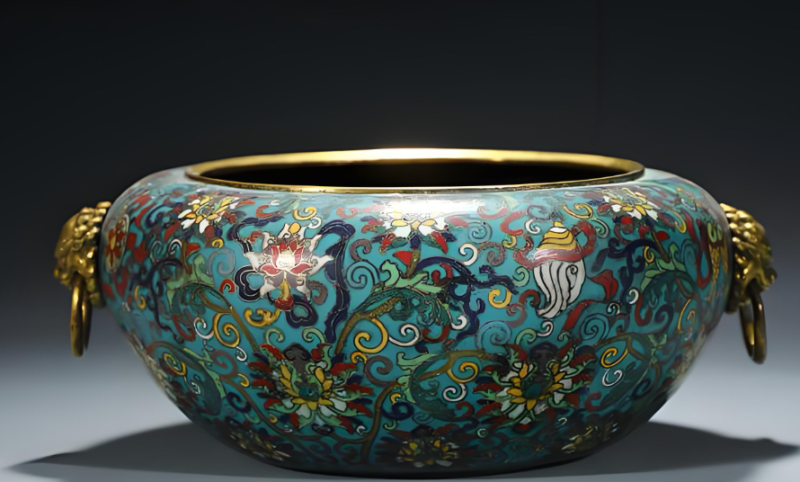
Hui Muslim craft traditions in Zhaotong reflect the community’s historical role as traders along routes connecting Yunnan with Central Asia and the Middle East. Hui Metalwork includes items like incense burners, tea pots, and decorative objects that show influences from Islamic art traditions alongside Chinese aesthetic principles. Hui calligraphy and Paper Arts produce Arabic script compositions and decorative items for mosques and homes, with techniques adapted from Chinese brushwork traditions. Textile arts include Embroidery for mosque decorations and traditional Hui clothing, with patterns that incorporate both Islamic geometric designs and Chinese floral motifs. These craft traditions are maintained within Hui communities, with artisans often combining craft production with other economic activities. While less commercially prominent than some other ethnic crafts, Hui artistic traditions hold important cultural significance for maintaining religious and ethnic identity in a predominantly non-Muslim region.
Agricultural craft traditions in Zhaotong reflect adaptation to the region’s high-altitude plateau environment and mixed farming systems. Bamboo and wood crafts produce tools and containers for potato cultivation (Zhaotong is a major potato-producing region), apple orchard maintenance, and other agricultural activities. These practical crafts demonstrate sophisticated understanding of materials and ergonomics, with designs refined over generations of farming experience. Traditional food processing crafts include tools for making Zhaotong ham (a famous local product), preserving vegetables, and producing various fermented foods adapted to the region’s climate. While modern agricultural equipment has replaced many traditional tools, these crafts are maintained by artisans who supply items for small-scale farming, cultural preservation, and specialty markets interested in traditional agricultural methods.
For visitors seeking hands-on craft experiences, Zhaotong offers opportunities through cultural centers, occasional workshops, and community tourism initiatives. The Zhaotong Ethnic Culture Center organizes demonstrations of traditional crafts from different ethnic groups, with opportunities to try basic techniques under artisan guidance. Several Miao villages in the mountainous areas welcome visitors interested in silverwork or textile crafts, though arrangements typically require local contacts or guided tours. Han craft workshops in Zhaotong City sometimes offer experiences in traditional pottery or wood carving. These interactive opportunities, while less developed than in more touristed regions, provide authentic encounters with craft traditions in communities with limited exposure to mass tourism.
Zhaotong’s craft markets are primarily local gatherings where artisans sell directly to community members, with limited tourist-oriented venues due to the region’s position off main tourist circuits. The weekend markets in Zhaotong City and county towns feature crafts from different ethnic groups alongside agricultural products and everyday goods, offering authentic selections at reasonable prices. These markets provide excellent opportunities to observe how crafts function within local economies and to purchase items directly from makers. For more organized craft shopping, a few shops in Zhaotong City sell ethnic crafts, though selection may be limited compared to regions with more developed tourism. The annual Zhaotong Folk Culture Festival includes craft exhibitions and demonstrations, providing concentrated opportunities to encounter diverse artistic traditions within community celebration contexts.
Zhaotong’s craft traditions face significant challenges including limited market access due to remoteness, competition from industrial products, youth migration to cities, and relatively low tourism development. However, several factors support preservation: strong ethnic identities that value traditional crafts as cultural markers, community-based initiatives that link craft production to cultural tourism, and growing interest in authentic ethnic crafts among collectors and cultural enthusiasts. The region’s position between multiple cultural spheres creates unique craft syntheses that have preservation value beyond local significance. Visitors can support preservation efforts by purchasing authentic crafts directly from artisans at local markets, choosing items that reflect genuine local Culture rather than generic souvenirs, and engaging respectfully with craft traditions as expressions of living borderland cultures.
Whether admiring the intricate silverwork of Miao festival costumes, learning about practical adaptations in agricultural tools, observing the cultural syntheses in Hui metalcraft, or trying hands-on craft techniques in remote communities, visitors to Zhaotong encounter artistic traditions that reflect the region’s unique position at the intersection of multiple cultural currents. The crafts of Zhaotong offer windows into how borderland environments foster both cultural preservation and innovation, how practical needs shape aesthetic expressions in agricultural societies, and how artistic traditions maintain vitality in regions less affected by mass tourism. For travelers seeking to understand Yunnan’s full cultural diversity beyond the well-known southern and western destinations, Zhaotong’s artistic heritage provides essential perspectives on the province’s northeastern frontiers and their distinctive cultural syntheses.






暂无评论内容