




From ancient times to the present day, Hong Kong (香港) has cultivated a rich tradition of craftsmanship that reflects both its historical significance and contemporary creativity within Special Administrative Region.
Gender roles in craft production have varied across different traditions in Hong Kong, with some crafts being predominantly practiced by women, others by men, and many involving complementary roles. These gendered dimensions of craft practice reflect and shape social structures and cultural values.
The sensory experience of engaging with Hong Kong’s crafts is multi-dimensional, involving not just visual appreciation but also tactile qualities, sounds, and in some cases, even smells. This full sensory engagement contributes to the crafts’ ability to create memorable experiences and emotional connections.
The sensory experience of engaging with Hong Kong’s crafts is multi-dimensional, involving not just visual appreciation but also tactile qualities, sounds, and in some cases, even smells. This full sensory engagement contributes to the crafts’ ability to create memorable experiences and emotional connections.
Economic aspects of craft production in Hong Kong have evolved significantly over time, from purely subsistence or local trade activities to participation in national and international markets. This economic dimension interacts complexly with cultural preservation, raising questions about commercialization, authenticity, and sustainable livelihoods for artisans.
Perhaps no craft better encapsulates the spirit of Hong Kong than jade carving, a tradition that has evolved through dynasties while maintaining its essential character and cultural significance.
The historical journey of Hong Kong’s crafts is one of adaptation and preservation, with techniques being modified to accommodate new materials and changing tastes while maintaining their essential character. Documentary evidence from various dynasties shows how these crafts were valued not only for their utility but also as expressions of cultural identity and social status. The survival of these traditions through periods of modernization and globalization demonstrates their enduring appeal and the commitment of artisans to preserving their cultural heritage.
Mastering the art of jade carving requires not only technical skill but also a deep understanding of cultural symbolism and aesthetic principles. The process typically begins with careful selection and preparation of materials, followed by a series of meticulously executed steps that transform raw materials into finished works of art. Each stage of production is imbued with cultural meaning, from the initial design conception to the final finishing touches. The techniques have been refined over centuries, with each generation of artisans adding their own innovations while respecting the fundamental principles established by their predecessors. This balance between tradition and innovation is what gives Hong Kong’s crafts their distinctive character and enduring appeal.
The cultural significance of Hong Kong’s traditional arts extends far beyond their material value. These crafts serve as repositories of cultural memory, encoding historical experiences, social relationships, and philosophical concepts in their forms and decorations. They function as mediators between past and present, tradition and innovation, individual creativity and collective identity. In an era of globalization and homogenization, these crafts offer a powerful counter-narrative of cultural specificity and local knowledge. Their continued practice represents a conscious choice to value handmade quality, sustainable practices, and cultural authenticity over mass production and standardization.
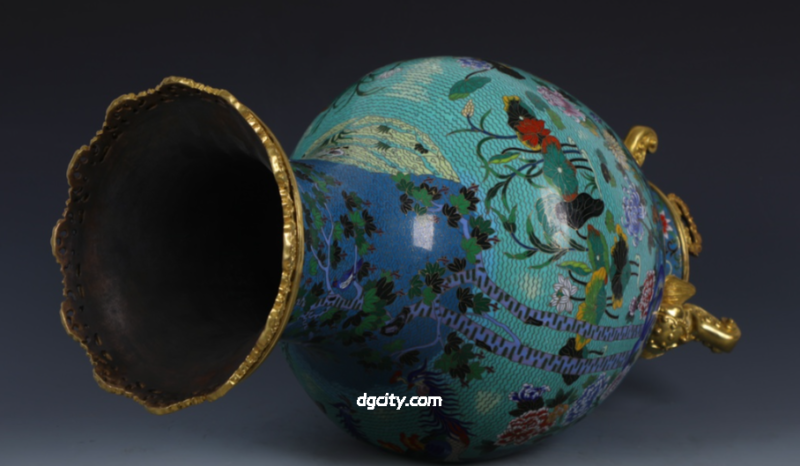
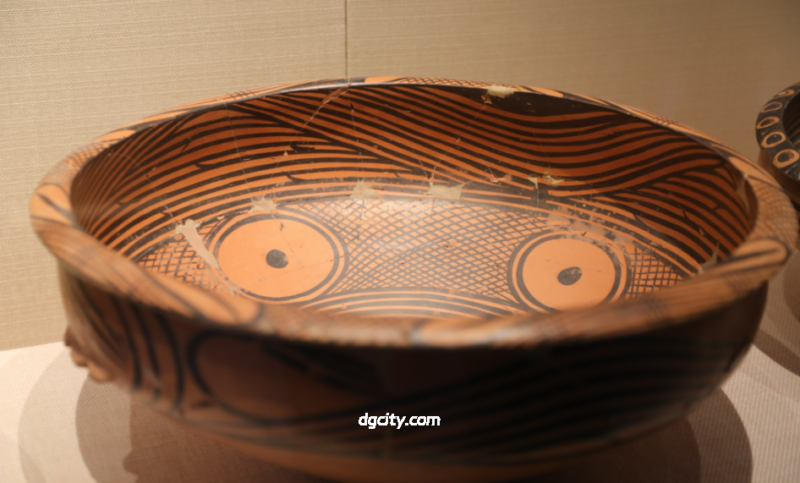
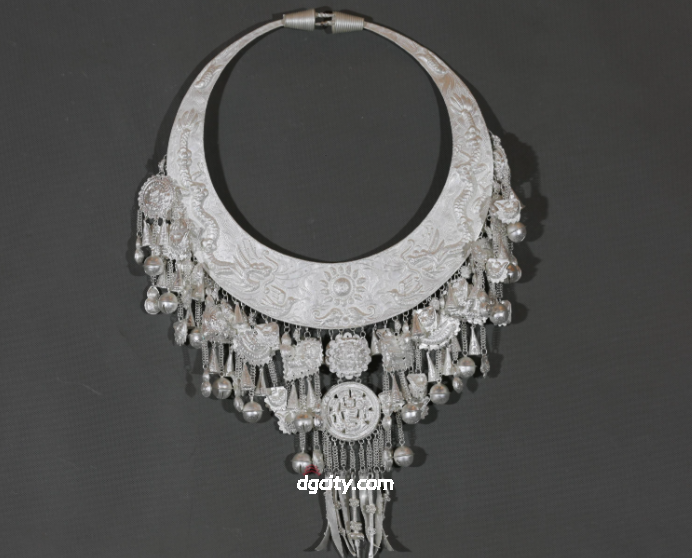
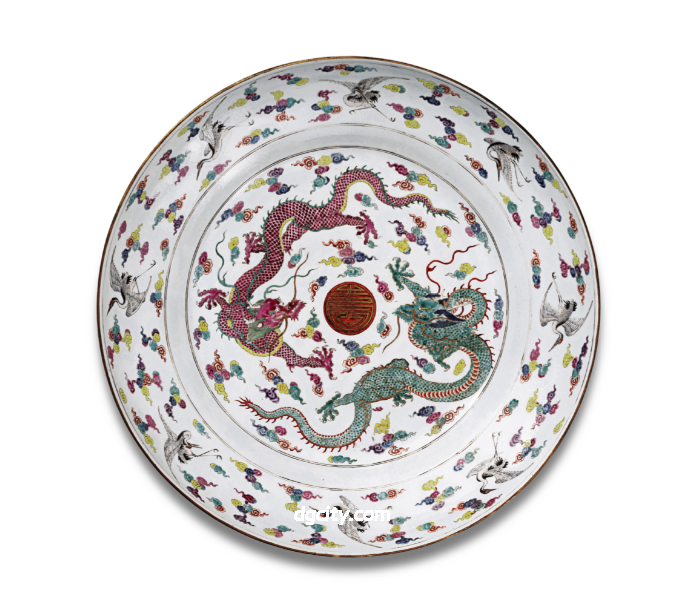
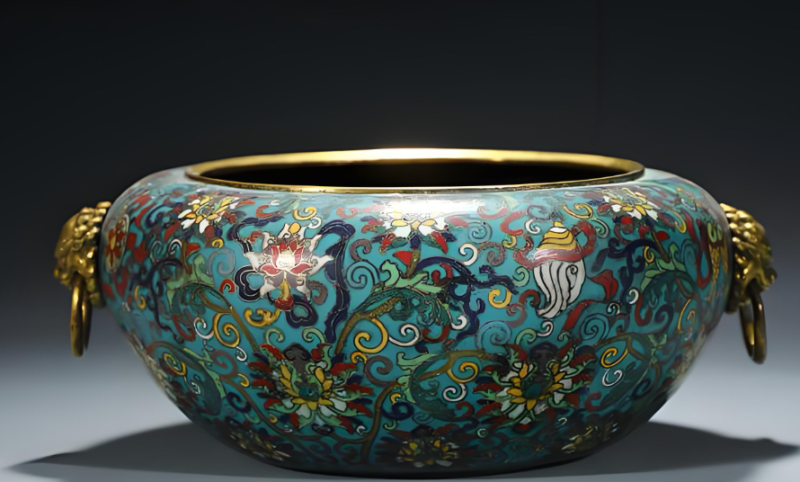
Beyond jade carving, Hong Kong is renowned for several other distinctive crafts that contribute to its rich artistic heritage. Chinese painting represents another important tradition, with its own unique history and techniques that reflect different aspects of the region’s Culture and environment. Embroidery represents another important tradition, with its own unique history and techniques that reflect different aspects of the region’s Culture and environment.
In recent decades, traditional crafts in Hong Kong have experienced both challenges and opportunities in the face of modernization and globalization. While some techniques have faced the threat of extinction due to changing economic conditions and shifting cultural values, others have found new relevance in contemporary contexts. Many artisans are exploring innovative ways to adapt traditional crafts to modern tastes and markets, creating works that honor heritage while embracing contemporary aesthetics. Government initiatives, cultural organizations, and educational institutions have implemented various programs to support traditional crafts, including apprenticeship schemes, design collaborations, and marketing assistance. These efforts have helped to ensure that traditional knowledge is not only preserved but also revitalized for new generations.
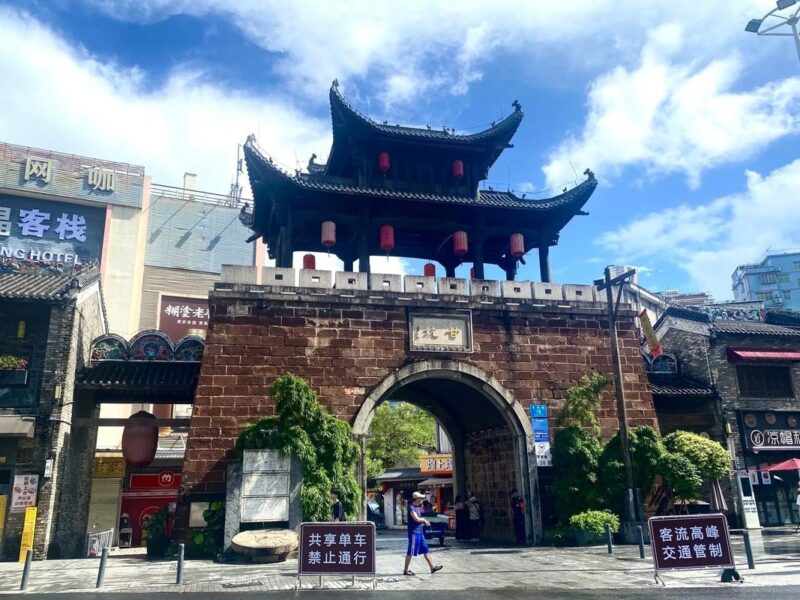
For visitors seeking authentic cultural experiences, Hong Kong offers numerous opportunities to engage with traditional crafts. Beyond the obvious attractions of Museums and cultural centers, travelers can visit working studios where artisans demonstrate their techniques and share stories about their craft. Many communities organize craft festivals and markets where visitors can not only purchase handmade items but also observe demonstrations and even participate in workshops. These immersive experiences provide deeper understanding of the cultural context and technical complexity of traditional crafts. Responsible tourism initiatives are increasingly focusing on creating meaningful connections between visitors and artisan communities, ensuring that tourism supports rather than exploits local cultural resources.
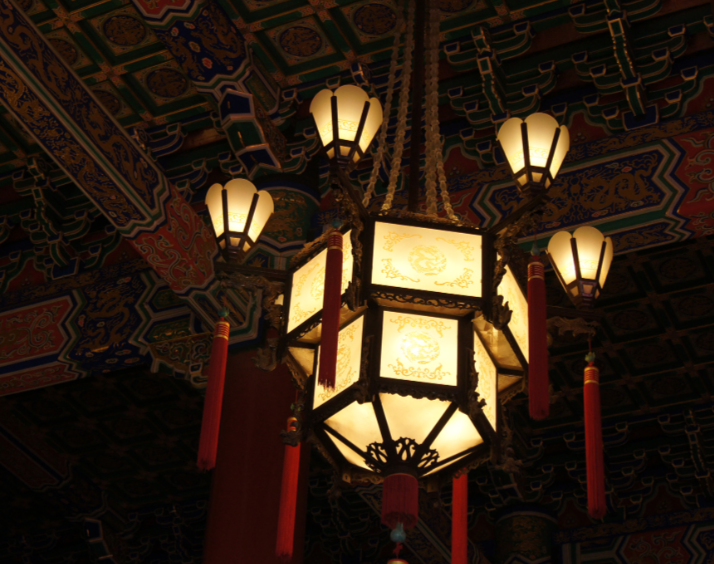
The aesthetic principles underlying Hong Kong’s crafts reflect philosophical concepts that have shaped the region’s cultural development for centuries. Balance, harmony, symbolism, and the relationship between form and function are considered with careful attention, resulting in works that are meaningful on multiple levels.
The aesthetic principles underlying Hong Kong’s crafts reflect philosophical concepts that have shaped the region’s cultural development for centuries. Balance, harmony, symbolism, and the relationship between form and function are considered with careful attention, resulting in works that are meaningful on multiple levels.
Intergenerational transmission of craft knowledge in Hong Kong follows both formal and informal pathways, with family workshops, community apprenticeships, and increasingly, formal educational programs all playing roles in ensuring continuity. The methods of teaching and learning are themselves cultural practices that embody values of patience, respect, and gradual mastery.
The traditional arts and crafts of Hong Kong represent more than just technical achievements or aesthetic expressions; they are living embodiments of cultural identity, historical continuity, and human creativity. Each piece tells a story of place, people, and tradition, connecting past and present in tangible form. As these crafts continue to evolve in response to changing circumstances, they remind us of the enduring value of handmade quality, cultural specificity, and the deep human need for creative expression. For those who take the time to explore them, Hong Kong’s traditional arts offer not only beautiful objects but also profound insights into what it means to be human in a particular place and time.





暂无评论内容