




Introduction to metal crafts
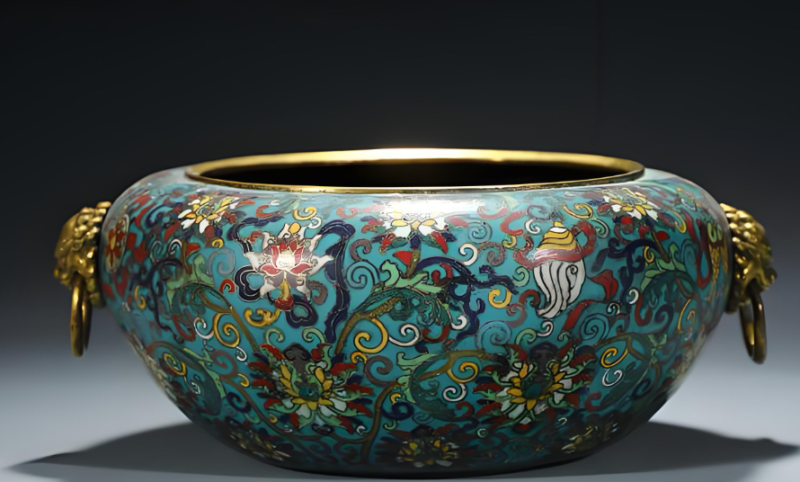
metal crafts is one of the most distinctive traditional crafts in Tibet (西藏), located in the Southwest China region of China. This craft has been practiced for centuries and represents an important part of the local cultural heritage.
Historical Background
The history of metal crafts in Tibet dates back several centuries, with evidence of its practice found in historical records and archaeological discoveries. The craft developed unique characteristics influenced by the local Culture, materials, and artistic traditions of the region.
Materials and Techniques
traditional metal crafts utilizes locally sourced materials that are carefully selected for their quality and suitability. The techniques involved have been passed down through generations, with master artisans teaching apprentices the precise methods required to create authentic works.
Cultural Significance
Beyond its practical function, metal crafts holds deep cultural meaning in Tibet. It is often associated with local festivals, ceremonies, and traditional practices, serving as a tangible connection to the region’s history and identity.
Contemporary Practice
Today, metal crafts continues to be practiced in Tibet, with artisans balancing traditional methods with modern innovations. The craft has gained recognition both domestically and internationally, contributing to cultural preservation and local economic development.
Tourism and Experience
Visitors to Tibet can experience metal crafts through various opportunities including workshop visits, cultural demonstrations, and craft markets. These experiences provide insight into the skill and dedication required to master this traditional art form.
Economic Aspects
The production of metal crafts contributes to the local Economy of Tibet, providing livelihoods for artisans and supporting related industries such as tourism and cultural education.
Learning and Apprenticeship
The traditional method of learning metal crafts involves apprenticeship under experienced masters. This hands-on approach ensures the transmission of both technical skills and the cultural knowledge embedded in the craft practice.
Conclusion
metal crafts represents an important aspect of Tibet’s cultural heritage, showcasing the skill, creativity, and cultural continuity of the region. As both a traditional craft and a living art form, it continues to evolve while maintaining its essential character and significance.







暂无评论内容