




Dapeng Paper Cutting is a precious ICH of Lingnan, combining fishery Culture and Coastal customs. Created with red paper and scissors, it carries auspicious meanings. Visitors can experience it in Dapeng Ancient City, enjoying the blend of traditional craft and Coastal charm.
As the sea breeze brushes the bluestone paths of Dapeng Ancient City, a bright splash of Chinese red may catch your eye around the corner — a masterpiece crafted by the skilled fingers of Dapeng Paper Cutting artists. As a vivid branch of Lingnan folk art, this craft, inscribed on the Representative List of the Intangible cultural heritage of Humanity, has taken root in Shenzhen’s Dapeng New Area for centuries. It embodies both the warmth of fishermen’s daily life and the heroism of border defense, serving as a cultural link connecting tradition and modernity, locality and the world.
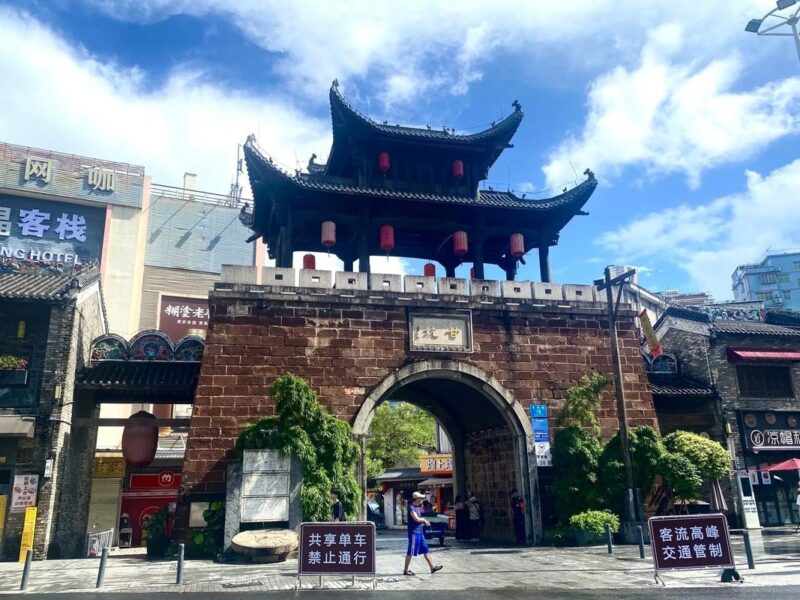
The origin of Dapeng Paper Cutting is closely intertwined with the historical context of this land. During the Ming and Qing dynasties, Dapeng Ancient City served as a key Coastal defense fortress. While soldiers guarded the border, their families expressed longing and prayers through paper cutting, transforming military life and auspicious animals into patterns on paper. Later, with the prosperity of fishing industry, fishermen integrated elements such as waves, fishing boats, and fish and shrimp into their creations, making paper cutting not only a festival decoration but also a “finger-tip history book” recording coastal life. Unlike the bold and vigorous paper cutting of Northern China, Dapeng Paper Cutting combines the exquisite delicacy of Lingnan art with the flexibility of marine Culture, forming a unique style.
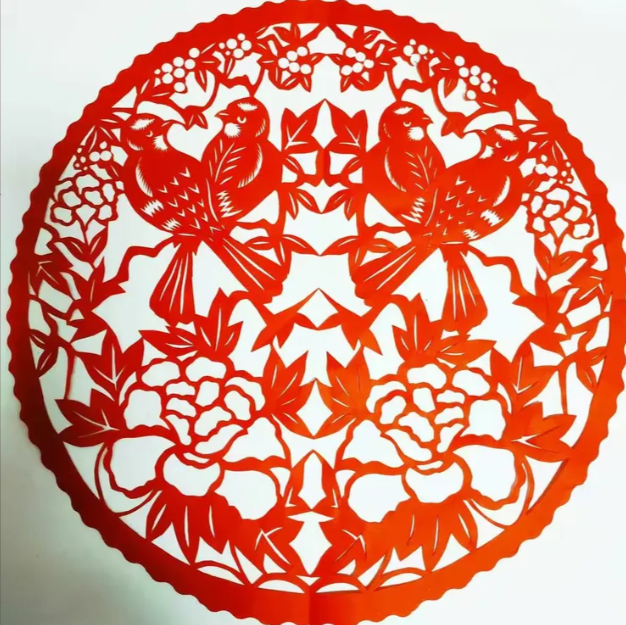
In terms of materials and techniques, Dapeng Paper Cutting upholds tradition while incorporating ingenuity. Red paper, a classic carrier, symbolizes joy and good luck in Chinese Culture, making it suitable for festivals, weddings and other folk occasions. Artists usually choose flexible red paper and use sharp scissors or knives as tools, following the creative principle of “positive cutting for lines, negative cutting for colors, and the integration of positive and negative to achieve void and solid interplay”. Positive cutting retains the main body of the pattern with coherent and smooth lines, often used to outline the contours of fish, shrimp, flowers and birds. Negative cutting hollows out the details of the pattern, creating a distinct sense of hierarchy, which is suitable for complex decorations such as waves and cloud patterns. The combination of positive and negative techniques creates a interweaving of void and solid, endowing the works with both the transparency of paper cutting and the depth of the picture. More impressively, many artists create without drafts, relying solely on their mental image of the pattern and control over their fingers, bringing the images on paper to life with just a few cuts.
The themes of Dapeng Paper Cutting are diverse, like a condensed picture album of Dapeng’s life. Among traditional patterns, there are not only common auspicious motifs such as carp symbolizing “abundance year after year” and peonies representing “prosperity and good fortune”, but also elements with strong regional characteristics: rolling waves hold fishermen’s hope for a good harvest, ancient city gates reflect the inheritance of border defense culture, and even daily scenes such as fishermen drying nets and children chasing and playing are accurately captured and frozen on paper by artists.
Today, this ancient craft is gaining new vitality through innovation. Artists integrate modern themes such as anti-drug concepts, coastal scenery and urban changes into their creations, upgrading paper cutting from a folk decoration to an artistic expression of contemporary memories. For example, in youth legal education bases, children use paper cutting to convey anti-drug concepts, making intangible cultural heritage a vivid educational carrier.
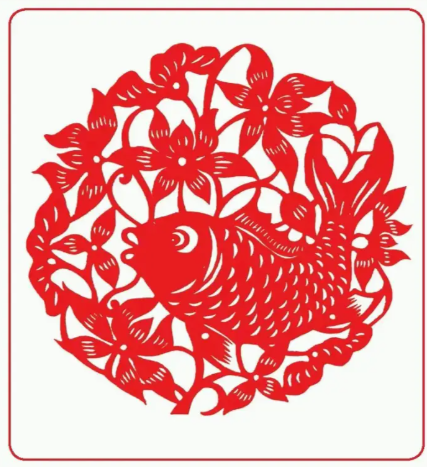
For foreign visitors, Dapeng Paper Cutting is not only an ornamental art treasure but also a participatory cultural experience. In the intangible cultural heritage inheritance bases, high-end homestays and cultural tourism activities in Dapeng Ancient City, paper cutting experience workshops are often available. Intangible cultural heritage inheritors guide visitors to cut and carve simple patterns by hand, from basic “Fu” characters to vivid small fish, allowing every participant to experience the joy of creating flowers with their fingertips. During the Spring Festival, paper cutting experience becomes a featured activity in Dapeng’s homestays. Amid the fluttering red paper, tourists from all over the world can immerse themselves in the warmth of Chinese New Year customs, and the homestays are transformed into cultural salons by this craft, realizing the in-depth integration of intangible cultural heritage and cultural tourism.
From the hands of border soldiers’ families to those of modern intangible cultural heritage inheritors, from a practical festival decoration to a cultural symbol going global, Dapeng Paper Cutting has never stopped inheriting. With the simplest materials and tools, it carries the wisdom and feelings of Dapeng people, and opens a window for foreign visitors to understand Lingnan culture in China. When you wander around Dapeng New Area, feel free to pick up a piece of red paper and a pair of scissors — in the process of cutting, you will have a gentle encounter with the thousand-year-old cultural context of this land.




暂无评论内容