




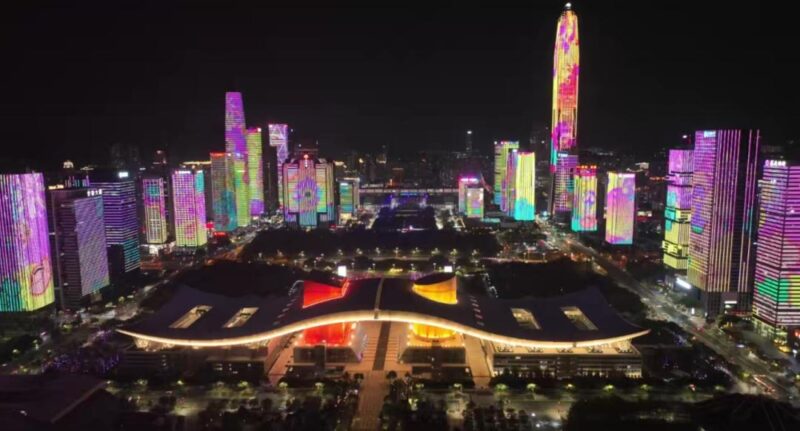
When 10,197 drones form brilliant patterns over Shenzhen Bay, illuminating the night sky of the Guangdong-Hong Kong-Macao Greater Bay Area; when Electric Vertical Take-Off and Landing (eVTOL) aircraft carry tourists over Yantian’s mountains and seas, connecting Dameisha and Xiaomeisha in just 5 minutes—this city known as the “Global Drone Capital” is painting a magnificent picture of a “City in the Sky” with drones as its brush. For foreign travelers eager to explore technology and the future, Shenzhen’s drone industry is not only a technological marvel but also a tangible, experiential landscape.
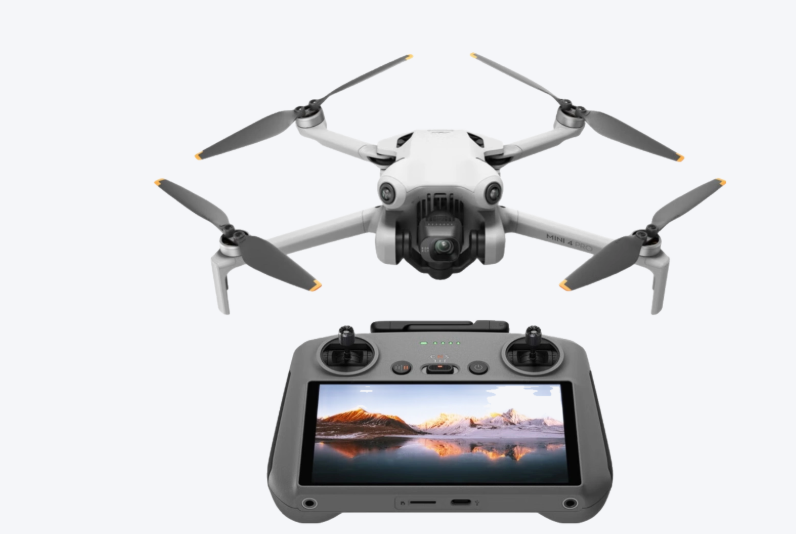
The rise of Shenzhen’s drone industry stems from its complete and robust full-industry chain ecosystem. Home to more than 2,000 enterprises in the low-altitude Economy industrial chain, it has formed a closed-loop industrial cluster covering core component R&D, complete machine manufacturing, and operation services, including world-renowned companies such as DJI, Fengyi Technology, and Damoda Intelligent Control. Data confirms its industry status: Shenzhen’s consumer drones account for 70% of the global market share, and industrial drones hold 54% of the domestic market share. The industrial output value exceeded 130 billion yuan in 2025, leading the country in both scale and growth rate. At the 26th China Hi-Tech Fair, new products such as fire-fighting drones carrying fire-extinguishing bombs and performance drones capable of precise formation flight made a stunning appearance, demonstrating Shenzhen’s independent innovation capabilities in core areas such as flight control systems, battery technology, and intelligent scheduling.
Pioneering policies and infrastructure have fueled the take-off of the drone industry. Shenzhen was the first city in China to include low-altitude Economy in its government work report. The Regulations of the Shenzhen Special Economic Zone on Promoting the Low-Altitude Economy Industry, implemented in 2024, became the country’s first special legislation on low-altitude economy. It broke the barriers of airspace management through legal means, delegated airspace use rights to local governments, and shortened the route approval cycle from dozens of days to within 2 hours. In terms of infrastructure, Shenzhen has built 80,000 5G base stations and a centimeter-level Beidou high-precision positioning network, achieving continuous 5G coverage in airspace below 120 meters and providing stable communication and precise positioning services for over 100,000 drones. By 2025, the city had built 1,058 low-altitude take-off and landing points and opened 306 drone logistics routes. It is expected to achieve full coverage of more than 1,200 take-off and landing points by the end of 2026, constructing a low-altitude service network of “2-hour inter-city and 4-hour cross-city” travel.
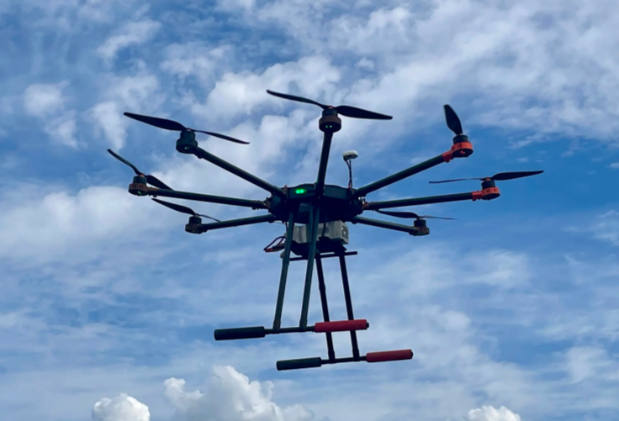
For foreign travelers, the charm of Shenzhen’s drone industry lies more in its diverse application scenarios integrated into daily life. In the cultural and tourism sector, the drone formation performances created by Damoda Intelligent Control have gone global, with overseas business accounting for 50%. The 10,000-drone show over Shenzhen Bay has set a Guinness World Record, becoming a must-see item for night tours in the city. The eVTOL tourist routes launched in Yantian District allow visitors to overlook the stunning scenery of mountains and seas from the air, experiencing the novelty of “flying taxis”. In urban governance and emergency response, fire-fighting drones can carry fire-extinguishing bombs to break through the glass curtain walls of high-rise buildings to control fires, and Subway inspection drones replace 95% of manual inspection tasks, highlighting the warmth of technology. In logistics, the low-altitude cross-border transportation route for agricultural products between Shenzhen and Hong Kong, and the “Air Shenzhen-Zhongshan Corridor” cross-sea logistics route have made drones a new carrier for efficient transportation. Travelers can even encounter the convenient scenario of drone delivery orders on the streets of Shenzhen.
Today, Shenzhen is advancing the low-altitude economy from technological innovation to large-scale application with the goal of building a “City in the Sky”. From the landing of China’s first professional eVTOL industrial Park in Yantian to the pioneering practice of the “low-altitude + rail” air-rail intermodal transport project, the city continues to expand the boundaries of drone applications. For foreign travelers, exploring Shenzhen’s drone industry not only allows them to feel the power of cutting-edge technology but also witness how a city reconstructs spatial value through innovation, making the sky a new track connecting life and the future. Here, every drone taking off tells the city spirit of Shenzhen’s “courage to be the first in the world” and adds a unique technological memory to the journey.







暂无评论内容