




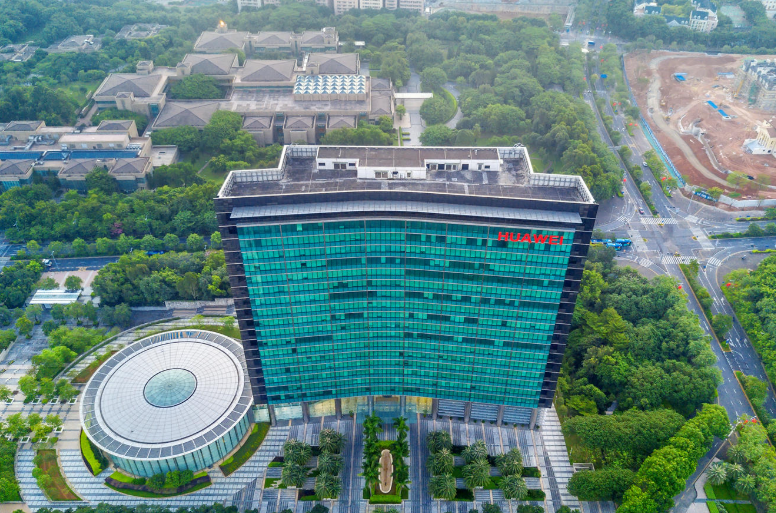
As you wander through Bantian Street in Longgang District, Shenzhen, a modern tech Park comes into view——this is the global headquarters of Huawei, a witness to the mutual achievement between “China’s Silicon Valley” and a world-class tech giant. From its initial base rooted in Longgang in 1997 to a leading tech enterprise operating in more than 170 countries and regions today, Huawei’s growth trajectory has long been deeply integrated with the pulse of Shenzhen’s reform and opening-up, becoming a core window to showcase China’s technological innovation strength to the world.
Huawei’s rise stems from its unwavering commitment to core technologies. As an enterprise that insists on investing over 10% of its annual sales revenue in research and development (R&D), its R&D expenditure reached 179.7 billion yuan in 2024, accounting for 20.8% of the annual revenue, with cumulative R&D investment exceeding 1.249 trillion yuan in the past decade. This dedication has yielded fruitful results: holding over 150,000 valid authorized patents worldwide, with R&D employees accounting for 54.1%, building a solid technological barrier in fields such as 5G, artificial intelligence (AI), and HarmonyOS ecosystem. In the 5G sector, Huawei has not only helped global 5G users surpass 2.1 billion but also taken the lead in deploying 5G-A networks, ushering in a new era of 10-gigabit connectivity in scenarios like live streaming, Subways, and business travel, reshaping people’s lives and work styles with technology.
Shenzhen’s inclusiveness and support have provided fertile ground for Huawei’s growth. When Huawei relocated to Bantian in 1997, although Longgang District’s infrastructure was still underdeveloped, it provided “nanny-style services” to support the enterprise: villagers laid a 6-kilometer water pipe overnight to solve water supply problems; a substation was urgently built to ensure stable power supply; subsequent optimizations to transportation included opening the “Huawei Station” on Metro Line 10, removing highway toll stations, and constructing multiple high-quality schools to meet the educational needs of employees’ children. This government-enterprise collaborative ecosystem allowed Huawei to focus on technological R&D, evolving from a local enterprise to a global company through the “Huawei Basic Law” that established the philosophy of “serving the country through industry” and the introduction of world-class management experience from IBM and other international giants. Today, Huawei also feeds back urban development, attracting 362 national high-tech enterprises to gather in Bantian Snow Ridge Science and Technology City as a chain leader, driving Shenzhen’s core digital Economy output value to exceed 500 billion yuan.
Amid the tide of the intelligent era, Huawei is empowering all industries with its all-intelligence strategy. The released Pangu Large Model 5.0 has achieved multi-modal upgrades, helping over 400 scenarios in more than 30 industries such as steel, manufacturing, and railways complete intelligent transformation; HarmonyOS has expanded from mobile phones to full scenarios including office, home, and automobiles, and the interconnected experience brought by HarmonyOS 5 has redefined the boundaries of a smart life. In the intelligent automotive sector, the Kunlun series solutions, with leading intelligent driving and cockpit technologies, have shipped over 23 million intelligent components annually, building an intelligent travel ecosystem with more than 600 industrial chain partners. Meanwhile, Huawei adheres to technological inclusiveness, providing network connectivity to over 120 million remote populations in more than 80 countries worldwide through the TECH4ALL initiative, bridging the digital divide.
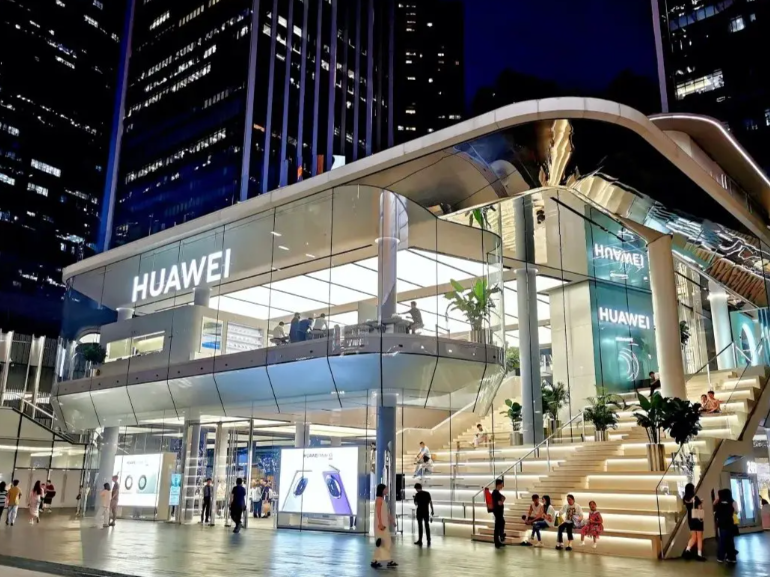
Visiting Huawei’s global flagship store, you can personally experience the integration of technology and humanity: from accessibility features benefiting over 8 million special users monthly to green practices extending the lifespan of 1 million terminal devices through trade-ins, the enterprise always fulfills its mission of “bringing the digital world to every person, home, and organization”. The story of Huawei and Shenzhen is not only the growth epic of an enterprise but also a vivid interpretation of a city centered on innovation and open in attitude. Here, you can feel the pulse of China’s technology and witness the infinite possibilities of symbiosis between innovation and inclusiveness in the era of globalization.



暂无评论内容