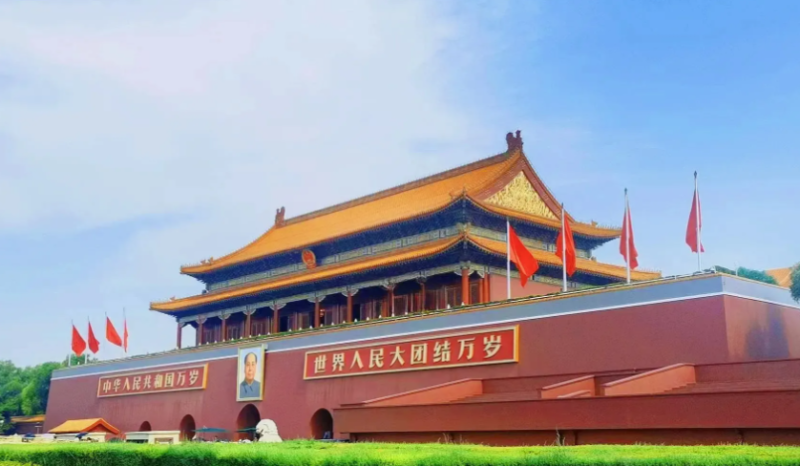





As morning mist shrouds the red walls and golden tiles of the Forbidden City, and dusk settles over the skyscrapers of the CBD, Beijing unfolds its unique picture scroll in the rhythm of interweaving ancient and modern times. With a history of over 3,000 years of urban construction and more than 800 years of being a capital, this city is not only a brilliant treasure of Chinese civilization but also an inclusive international metropolis. Every inch of land is engraved with historical marks, and every wisp of breeze carries the breath of the times, waiting for foreign tourists to explore the Oriental charm hidden within.
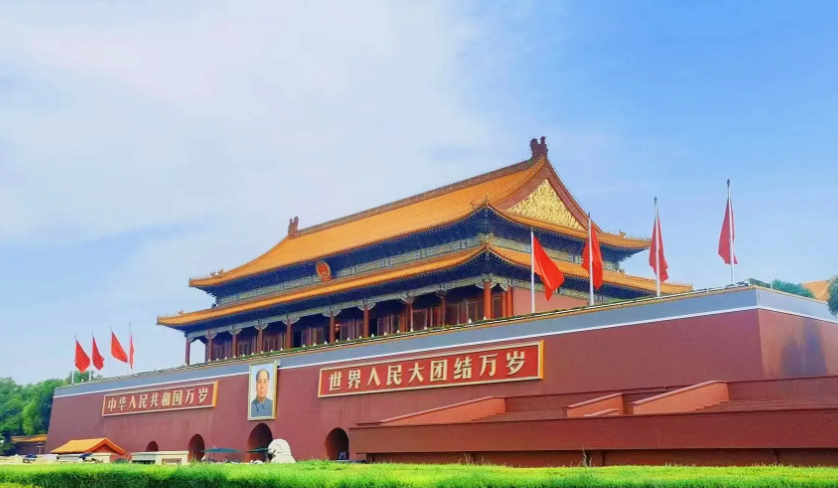
The soul of Beijing lies in its profound historical relics. As the imperial palace of the Ming and Qing dynasties, the Forbidden City is the largest and best-preserved ancient wooden structure complex in the world. Its towering red walls, overhanging eaves with dougong brackets, and contiguous palaces exude imperial majesty and Chinese aesthetics. Wandering inside, the grandeur of the Hall of Supreme Harmony and the elegance of the Imperial Garden seem to let people hear the echoes of history and touch the ingenuity of the ancients. Not far away, the Temple of Heaven interprets the ancient Chinese philosophy of “harmony between man and nature” with its exquisite architectural layout. The concentric stone slabs of the Circular Mound Altar and the gilded roof of the Hall of Prayer for Good Harvests showcase the ultimate craftsmanship of ancient Chinese architecture. Once a sacred place where emperors offered sacrifices to the Heavenly God and prayed for a bumper harvest, it has now become a must-visit destination for Chinese and foreign tourists to experience traditional Culture.
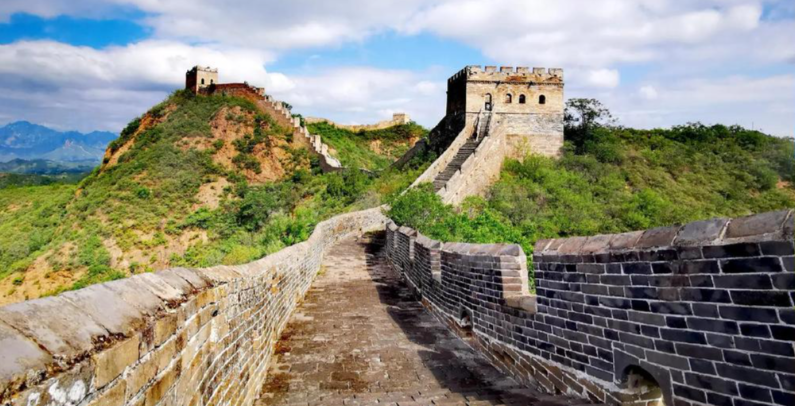
The Great Wall is another business card of Beijing to the world, winding over the mountains like a sleeping giant dragon guarding the Chinese land. Whether it is the rolling mountains of Mutianyu, the precipitous wonder of Simatai, or the magnificent Badaling, visitors can experience the heroic spirit of “He who does not reach the Great Wall is not a true man”. Stepping on the stone bricks that have endured thousands of years of wind and rain, witnessing the changes of countless dynasties, and looking at the continuous mountains in the distance, one can truly understand the tenacity and grandeur of Chinese civilization. In addition, historical sites such as the Summer Palace, Prince Gong’s Mansion, and the Imperial Academy each tell unique stories, connecting the historical context of Beijing and allowing every visitor to immerse themselves in the edification of a millennium-old civilization.
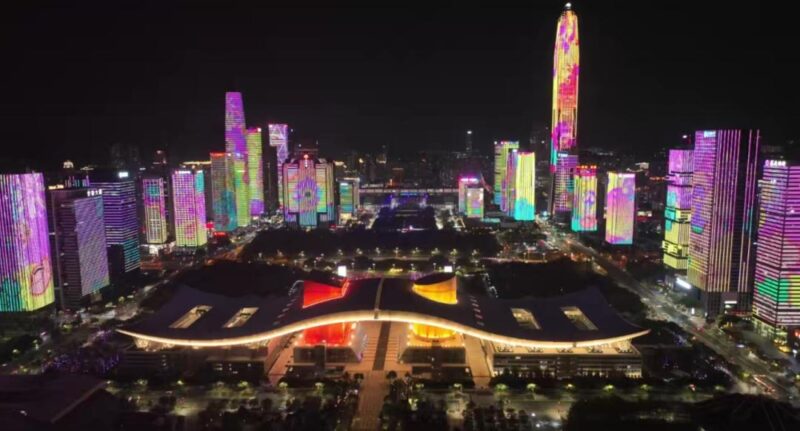
Removing the veil of history, Beijing’s modern vitality is equally fascinating. The CBD business district is lined with high-rise buildings, with landmark structures such as CITIC Tower and China World Tower standing tall. The bright lights at night fully display the prosperity of an international metropolis. Sanlitun and Nanluoguxiang interpret the collision between tradition and trend. The gray bricks and tiles of Nanluoguxiang hide literary shops and characteristic delicacies, while Sanlitun gathers global fashion brands and diverse Cultures. Whether it is street performers’ shows or various characteristic markets, people can feel the inclusiveness and vitality of Beijing. Around Shichahai, you can go boating on the lake during the day to experience the daily life of old Beijing; at night, it turns into a lively leisure resort, where bars, teahouses and traditional courtyards complement each other, outlining a diverse life picture of Beijing.
The charm of Beijing lies more in its profound cultural heritage and daily life atmosphere. The local cuisine is a carrier of Culture. Peking duck, with its crispy skin and tender meat, paired with thin pancakes, sweet bean sauce and shredded green onions, is full of delicious flavor in one bite, becoming a world-famous Chinese delicacy. Special snacks such as douzhi (fermented mung bean juice), jiaoquan (fried dough rings) and luzhu (stewed pork intestines) hide the taste memory of old Beijing, waiting for brave diners to explore. Peking Opera, as the “national essence” of China, with its melodious singing and graceful movements, allows tourists to enjoy this art feast integrating singing, reciting, acting and fighting in venues such as the Chang’an Grand Theatre. In addition, Beijing’s Museum cluster is a cultural treasure trove. The National Museum of China collects numerous precious cultural relics, from oracle bones to bronze ware, from Ming and Qing porcelain to modern works of art, completely showing the development process of Chinese civilization. Venues such as the Palace Museum and the China Science and Technology Museum make cultural communication more dynamic with rich exhibitions and interactive experiences.
As an international city, Beijing has convenient transportation and improved services, providing foreign tourists with a comfortable travel experience. From the modern convenience of Beijing Daxing International Airport to the extensive Subway lines, and the multilingual signs everywhere on the streets, all reflect the openness and friendliness of this city. Whether wandering through historical sites to pursue history, shuttling through business districts to feel the trend, tasting food to experience daily life, or immersing in culture to understand the heritage, Beijing can meet the expectations of every tourist, allowing you to understand the unique charm of a major Oriental country in the interweaving of ancient and modern times.




暂无评论内容