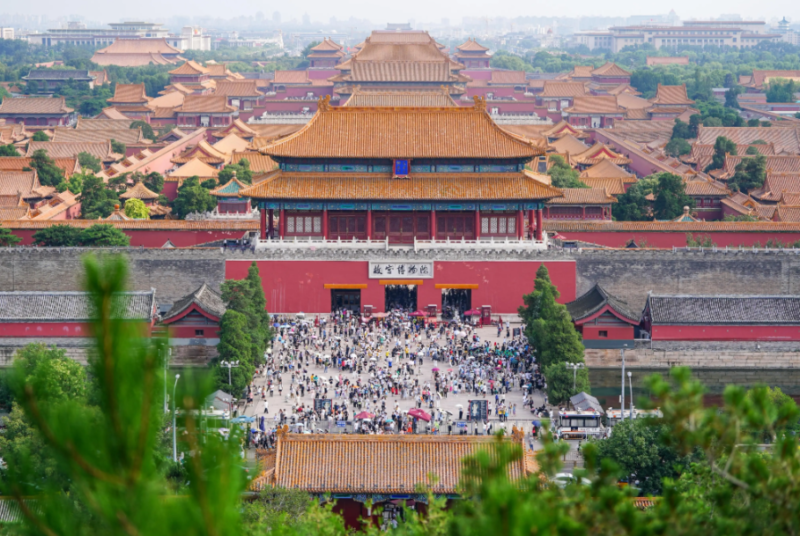





The Palace Museum, formerly the Forbidden City, is the imperial palace of Ming and Qing dynasties. This guide explores its grand architecture, precious artifacts, and travel tips for a memorable cultural journey.
Nestled at the heart of Beijing’s central axis, the Palace Museum, historically known as the Forbidden City, served as the imperial palace for 24 emperors of China’s Ming (1368-1644) and Qing (1644-1912) dynasties. As one of the largest and best-preserved wooden structures in the world, it stands as a masterpiece of ancient Chinese imperial architecture and a repository of centuries of dynastic history and cultural heritage. Listed as a UNESCO World Heritage Site in 1987, it is an indispensable destination for international travelers seeking to delve into China’s royal past.
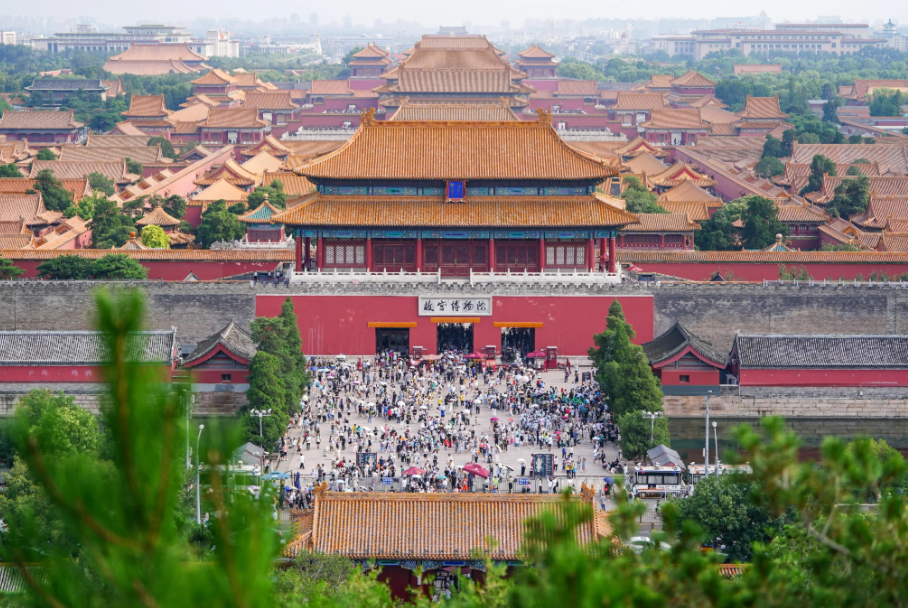
Covering an area of approximately 720,000 square meters with a building area of 150,000 square meters, the Palace Museum boasts over 70 palaces and more than 9,000 rooms. Its layout strictly adheres to the ancient Chinese ritual concept of “Outer Court for state affairs and Inner Court for daily life.” The Outer Court, the political center of the empire, is dominated by the Three Great Halls—Hall of Supreme Harmony, Hall of Central Harmony, and Hall of Preserving Harmony—symbolizing imperial power and grandeur. The Inner Court, meanwhile, served as the residence for emperors, empresses, and concubines, centered on the Three Rear Palaces—Hall of Heavenly Purity, Hall of Union, and Palace of Earthly Tranquility—accompanied by the Six Eastern and Six Western Palaces, exuding an intimate and daily-life atmosphere.
The Three Great Halls are the highlight of any visit to the Palace Museum. The Hall of Supreme Harmony, also known as the “Golden Throne Hall,” is the largest and most prestigious building in the complex. Paved with golden bricks, adorned with a magnificent imperial dragon throne, and capped with yellow glazed tiles (a color exclusive to emperors in ancient China), it was the venue for grand ceremonies such as imperial coronations, weddings, and enfeoffments. Every detail, from the mythical beasts on the roof ridges to the intricate carvings on the pillars, showcases the exquisite craftsmanship of ancient artisans. The Hall of Central Harmony was where emperors rested and received officials before major ceremonies, while the Hall of Preserving Harmony hosted imperial examinations and banquets for nobles. Behind this hall lies a massive marble slab carved with dragons and clouds, weighing over 200 tons, a testament to the engineering marvels of ancient China.
The Inner Court reveals the private life of the imperial family. The Hall of Heavenly Purity was once the bedroom and office of Ming emperors and later used for important ceremonies in the Qing Dynasty; behind its famous “Upright and Pure in Heart” plaque, secret edicts for imperial succession were once hidden. The Hall of Union houses the 25 imperial seals, symbolizing the supreme power of the emperor, and features ancient clepsydras and Western-style clocks that witnessed the passage of time. The Palace of Earthly Tranquility served as the empress’s residence in the Ming Dynasty and was converted into a place of worship and the imperial wedding chamber in the Qing Dynasty. The Six Eastern and Six Western Palaces, arranged like a maze, each have unique historical stories. For example, the Palace of Eternal Spring was once the residence of Empress Dowager Cixi, while the Palace of Prolonged Joy gained popularity due to modern TV dramas, with its unfinished Western-style building standing as a unique landmark in the Palace Museum.
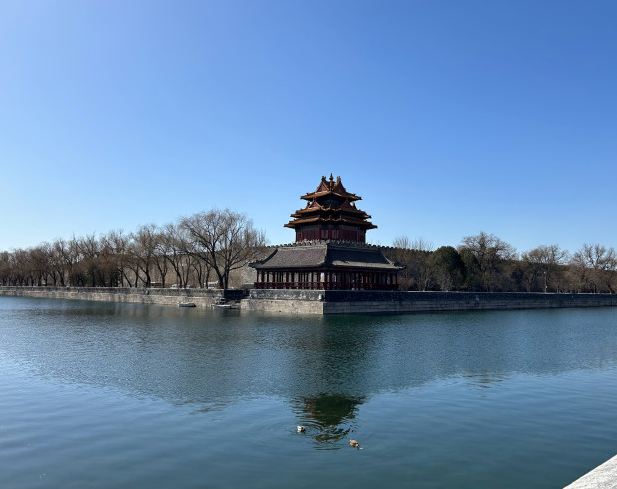
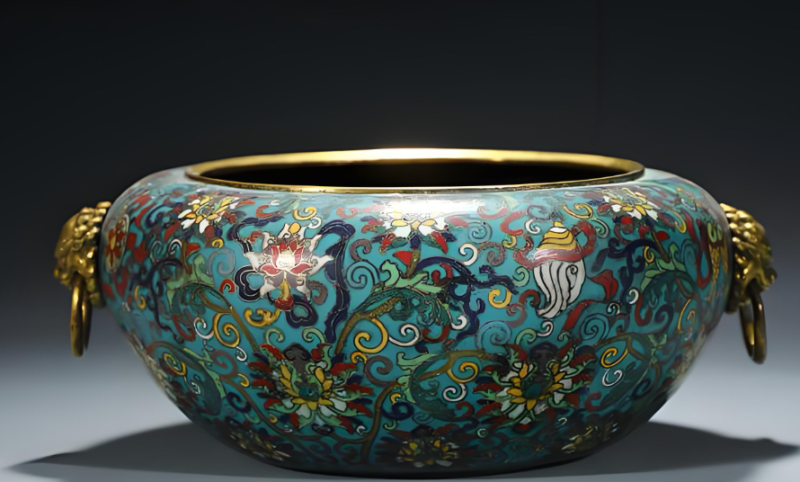
Beyond its architectural splendor, the Palace Museum houses a collection of over 1.86 million cultural relics, including paintings, ceramics, jade, gold and silver artifacts, and furniture, making it a premier museum of ancient Chinese art. The Treasure Gallery and Clock Gallery are must-visit special exhibitions. The Treasure Gallery displays exquisite artifacts such as the Nine-Dragon Wall, jade ruyi (scepter of good fortune), and the Golden Goblet of Eternal Stability, each a masterpiece of craftsmanship. The Clock Gallery boasts a vast collection of Chinese and Western clocks, many custom-made for the imperial court, with hourly chime performances showcasing the fusion of Eastern and Western Cultures. Additionally, the Palace Museum hosts temporary exhibitions throughout the year, featuring rare cultural relics on specific themes, ensuring a fresh experience for repeat visitors.
For travel tips, the Palace Museum requires real-name reservation tickets, which must be booked in advance via the official website or mini-program. It is recommended to book at least 3 days prior, as tickets sell out quickly during peak seasons (April-October). The museum is only accessible through the South Gate (Meridian Gate) and exits via the North Gate (Divine Might Gate) or East Gate (East Flowery Gate). The ideal itinerary starts at the Meridian Gate, follows the central axis to visit the Outer Court and Inner Court, then explores the Six Palaces, Treasure Gallery, and Clock Gallery, before exiting through the Divine Might Gate. The entire tour takes approximately 3-4 hours, while a in-depth visit may require a full day. To avoid crowds, arrive early in the morning during peak seasons. Smoking and climbing ancient buildings are strictly prohibited, so please travel respectfully to protect this precious cultural heritage.
From the majestic red walls and yellow tiles to the exquisite cultural relics, the Palace Museum is more than a museum—it is a three-dimensional textbook of Eastern history. Here, every brick and tile tells stories of imperial dynasties, and every artifact carries the genes of Chinese Culture, waiting for travelers from around the world to explore this millennia-old royal legend.


暂无评论内容