




This guide details Beijing’s 7 World Heritage Sites for foreign tourists, including core landmarks like the Forbidden City and Great Wall. It interprets historical values and features with exclusive visiting tips, helping you unlock the splendid codes of Oriental civilization and experience Beijing’s charm as a heritage city.
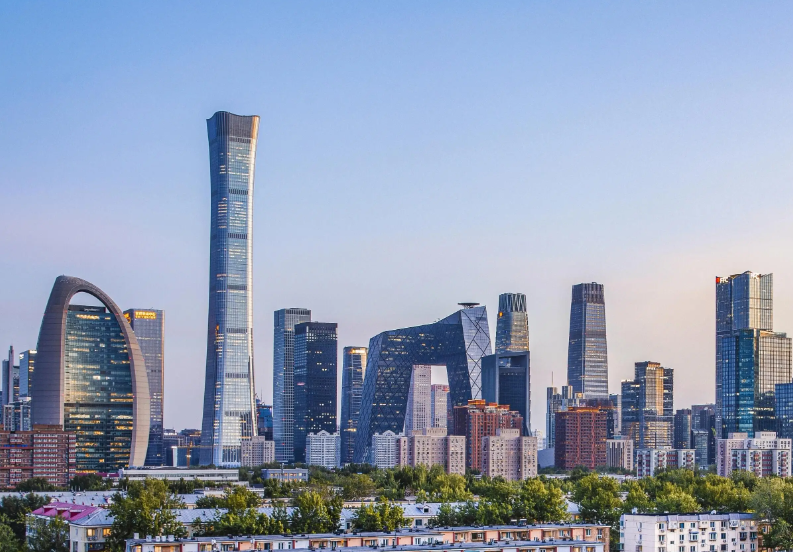
When it comes to Beijing’s World Heritage Sites, most foreign tourists first think of the Forbidden City and The Great Wall. However, this ancient capital with a 3,000-year history actually boasts 7 World Cultural and Natural Heritage Sites, ranking among the top cities globally in terms of quantity. From the pinnacle of wooden palace complexes to a millennium-old water conservancy project, from ancient human sites to imperial mausoleums and gardens, each heritage site carries the profound heritage of Oriental civilization. This guide will take you to explore them one by one, traveling through time and space to feel the charm of Beijing’s heritage.
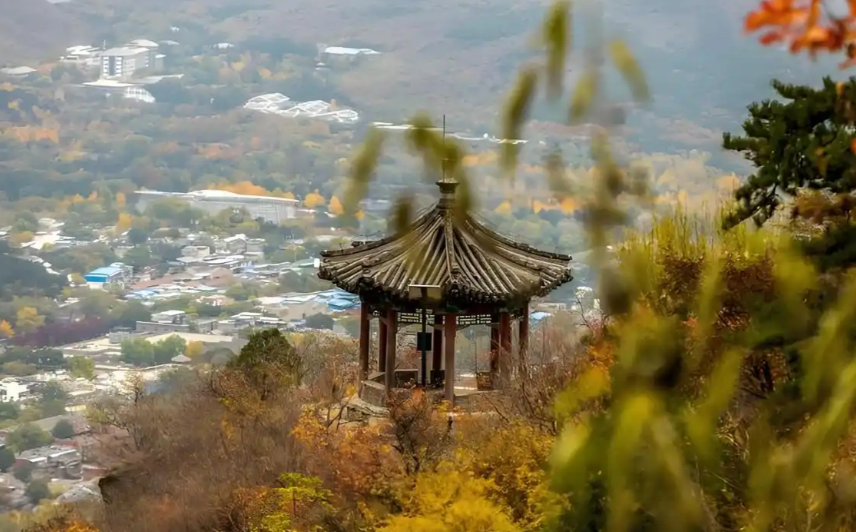
As the core business card of Beijing’s World Heritage Sites, the Forbidden City was the imperial palace of the Ming and Qing dynasties, and is the largest and best-preserved wooden structure ancient building complex in the world. It was once the place where 24 emperors governed and lived, and the red walls and yellow tiles hide strict ritual order and exquisite construction techniques. To visit the Forbidden City, it is recommended to avoid the morning peak. Enter from the Meridian Gate and walk along the central axis, visiting the three main halls—Hall of Supreme Harmony, Hall of Central Harmony, and Hall of Preserving Harmony in turn to feel the imperial power symbol of “the Son of Heaven in the center”. It is worth noting that the wooden structure of the Forbidden City uses no nails or rivets, only mortise and tenon joints, and remains intact after 600 years of wind and rain. In addition, the Treasure Gallery and Clock and Watch Gallery house a large number of imperial cultural relics, which can intuitively show the luxurious life of the ancient court. It is recommended to reserve 3-4 hours for an in-depth visit. Afterward, you can climb Jingshan Hill to overlook the panoramic view of the Forbidden City and take in the magnificent pattern of the entire palace complex.
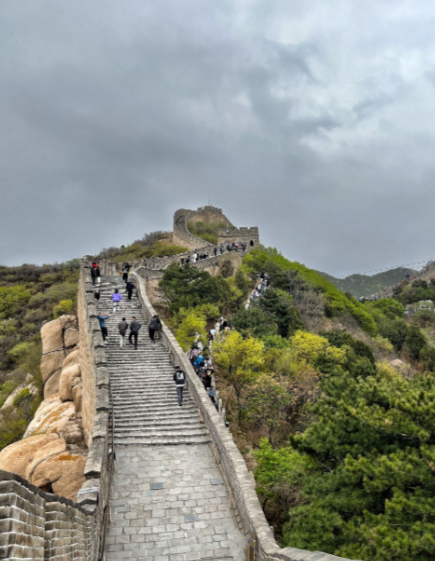
The Great Wall is the greatest military defense project in the history of human civilization. The Badaling and Mutianyu sections in Beijing are the preferred check-in spots for foreign tourists. Badaling Great Wall is famous for its grandeur and steepness, with complete facilities and convenient transportation, suitable for tourists visiting the Great Wall for the first time. Climbing to the 8th North Tower, you can overlook the rolling mountains and feel the heroism of “He who has never been to the Great Wall is not a true hero”. Mutianyu Great Wall is known for its beauty, with high vegetation coverage. In autumn, the red maple leaves set off against the city wall, and there are relatively fewer tourists. You can choose to take a cable car up and down the mountain to save energy. When visiting, be sure to wear comfortable sports shoes and bring sunscreen. If you want to experience a unique perspective, the night tour of Mutianyu is not to be missed. The Great Wall under the lights looks like a giant dragon coiling between the mountains, with a unique charm. It should be reminded that some sections of the Great Wall have steep slopes, so please pay attention to safety.
The Temple of Heaven is a sacred place where emperors of the Ming and Qing dynasties worshipped heaven and prayed for grain. It is also the culmination of ancient Chinese heaven-worshipping Culture. Its architectural layout and detailed design embody the philosophical thought of “harmony between man and nature”. The core buildings of the Temple of Heaven—the Hall of Prayer for Good Harvests, the Circular Mound Altar, and the Imperial Vault of Heaven—are distributed in a straight line. The circular spire of the Hall of Prayer for Good Harvests symbolizes the sky, and the 4 dragon well pillars inside correspond to the four seasons, while the 12 golden pillars correspond to the twelve months, fully demonstrating the ancients’ reverence for nature. The Echo Wall outside the Imperial Vault of Heaven is very distinctive. Two people standing at both ends of the wall can hear each other clearly when speaking softly, which is an ingenious application of ancient acoustic principles. It is recommended to visit the Temple of Heaven in the early morning when there are few tourists, so you can feel the solemnity of the heaven-worshipping culture in tranquility, and at the same time watch Beijing citizens doing morning exercises, experiencing the integration of tradition and daily life. The visit takes about 2 hours.
The Summer Palace is the pinnacle of Chinese classical gardens. Composed of Kunming Lake, Longevity Hill, and numerous pavilions and terraces, it combines the grace and beauty of Jiangnan gardens with the grandeur of northern imperial gardens. It was once a summer resort for Empress Dowager Cixi. The Long Corridor, Tower of Buddhist Incense, and Marble Boat in the garden each have their own characteristics. The Long Corridor is 728 meters long, with more than 14,000 paintings on the beams, covering landscapes, figures, flowers, and birds, none of which are repeated, known as the “Oriental Art Corridor”. Taking a boat tour on Kunming Lake is a must-do experience. You can depart from South Lake Island, pass the Seventeen-Arch Bridge, enjoy the beautiful scenery of lakes and mountains reflecting ancient buildings, and feel the gardening art of “made by man, yet seemingly natural”. It is recommended to enter the Summer Palace from the East Palace Gate, visit the core area along the central axis, and then take a boat tour on the lake. The whole trip takes about 3 hours. In autumn, the maple leaves in the Summer Palace turn red, and in winter, you can enjoy the quiet beauty of Kunming Lake after freezing.
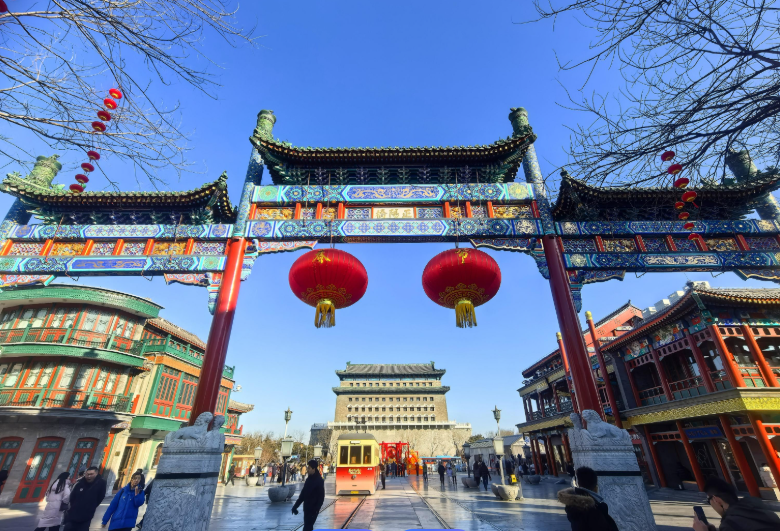
The Ming Tombs are a group of imperial mausoleums for 13 emperors of the Ming Dynasty, located in Changping District of Beijing. Built against the mountains, they are magnificent and a model of Chinese imperial mausoleum architecture. Among them, the Changling Mausoleum is the largest and best-preserved mausoleum in the Ming Tombs, belonging to Emperor Yongle of the Ming Dynasty. Its Hall of Eminent Favor is built of golden nanmu, and the diameter of the columns inside the hall reaches 1.17 meters, still emitting a fragrance after 600 years. The Dingling Mausoleum is the only underground palace open to the public. Tourists can go deep into the underground palace to visit the coffins of the emperor and empresses and burial artifacts, and intuitively understand the imperial burial system of the Ming Dynasty. It is recommended to visit the combination of Changling Mausoleum and Dingling Mausoleum with a professional guide to learn about the layout rules and historical stories of the mausoleums. It can be connected with The Great Wall tour for a one-day itinerary, and transportation can be by Subway transfer to a special bus.
The Zhoukoudian Peking Man Site is an important witness to East Asian ancient human civilization, located on Longgu Mountain in the southwest suburbs of Beijing. Here, fossils and fire-use relics of “Peking Man” dating back 700,000 to 200,000 years ago were discovered, advancing the history of human fire use significantly. The site Museum houses cultural relics such as ancient human fossils, stone tools, and bone tools, vividly showing the lifestyle of early humans. The cave site on Longgu Mountain retains its original style. Standing here, you can seem to talk with ancient ancestors across time and space. This site is suitable for tourists interested in the origin of human civilization. It is recommended to use a guide service to gain a deeper understanding of the great significance of archaeological discoveries. The visit takes about 2-3 hours and can be arranged in conjunction with other attractions in the Fangshan area.
The Beijing Section of the Grand Canal is the northern starting point of the Beijing-Hangzhou Grand Canal, carrying thousands of years of canal transportation Culture and urban memory. Today, it has been transformed into an urban corridor integrating culture, leisure, and landscape. Foreign tourists can start from Shichahai, take a boat tour along the canal section, and enjoy characteristic landmarks such as the Silver Ingot Bridge and Yandai Xiejie along the way, feeling the old Beijing style of “water passing through the streets and lanes”. The Canal Park in the Tongzhou section is a core check-in spot. The Ransheng Pagoda, Canal Transportation Wharf, and other sites here witness the prosperity of canal transportation along the canal in those years. In addition, there are rich food and intangible cultural heritage experiences along the canal. You can taste food related to canal transportation Culture and feel the contemporary vitality of canal culture. It is recommended to visit in the evening to enjoy the light night view on both sides of the canal and experience the unique atmosphere of the integration of ancient and modern times.



暂无评论内容