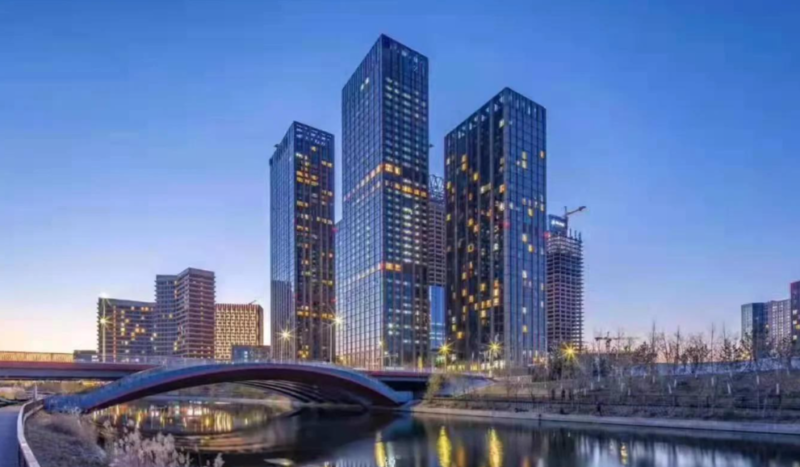





This guide explains Beijing’s “One Core, One Main Center, One Sub-center” plan for foreigners, focusing on Tongzhou Sub-center. It covers landmarks like the Grand Canal, provides transportation tips and routes to show the new city’s ecological and cultural charm.
When foreign tourists explore Beijing in depth, besides traditional ancient capital landmarks, the rise of Tongzhou Sub-center and the layout of Beijing-Tianjin-Hebei Integration are injecting a new dimension into the city’s tourism. As a core node in Beijing’s master plan of “One Core, One Main Center, One Sub-center, Two Axes, Multiple Points, One Area”, Tongzhou Sub-center is not only a “Millennium City” undertaking the relief of non-capital functions, but also a tourism hub connecting Beijing, Tianjin and Hebei, with the Grand Canal Culture as its root and ecological livability as its background. Wandering here, you can not only touch the historical precipitation of the millennium-old canal, but also feel the cutting-edge vitality of modern urban planning, understanding the core logic of Beijing’s future spatial layout.
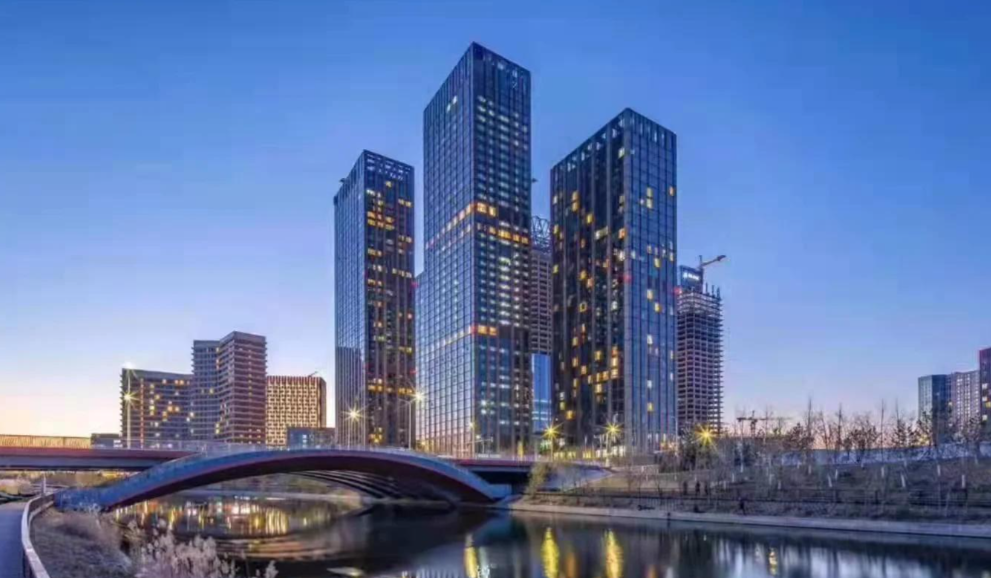
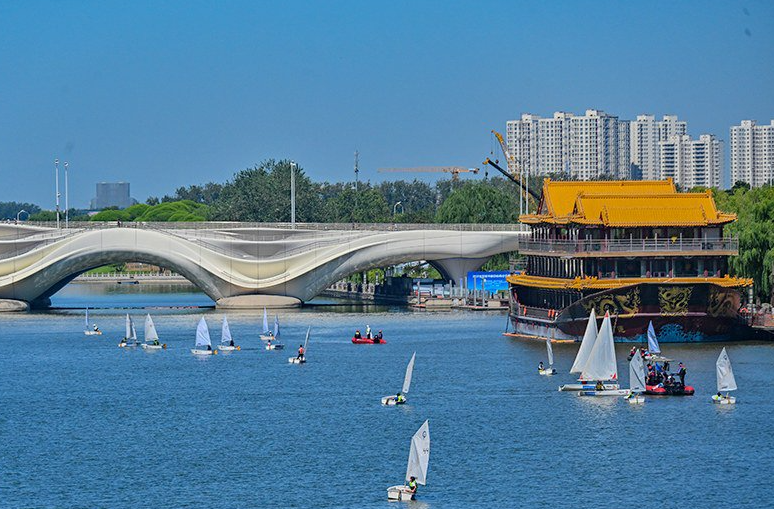
The soul of Tongzhou Sub-center lies in the Beijing-Hangzhou Grand Canal that has flowed for thousands of years. As the northern starting point of the Beijing-Hangzhou Grand Canal, Tongzhou has been a place of “smooth canal transportation” since ancient times, enjoying the reputation of “First Beijing, Second Tianjin, Third Tongzhou”. This canal cultural heritage has also become the core context of the sub-center’s construction. Today, the ecological and cultural landscape belt built around the Grand Canal has become the most representative tourist area in Tongzhou. Grand Canal Forest Park is one of the core landmarks. More than 20 kilometers of walkways and cycling paths are paved along the riverbank in the Park, with reed marshes, water-friendly platforms and ancient ruins scattered along the way. You can enjoy flowers on both banks in spring, take a boat trip along the river in summer, admire the layered red leaves in autumn, and feel the quiet riverbank scenery in winter. The Ransheng Pagoda in the park is a symbol of Tongzhou. First built in the Northern Zhou Dynasty, this ancient pagoda still stands by the river after thousands of years of wind and rain. The Canal Museum under the pagoda displays cultural relics such as canal transportation tools and ancient ship models, vividly restoring the prosperity of “busy canal transportation and gathered merchant ships” in the past.
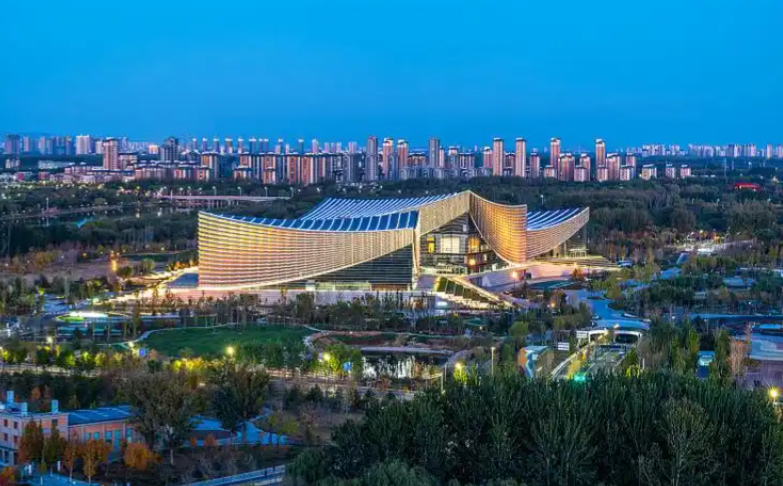
In addition to canal Culture, the modern planning and ecological construction of Tongzhou Sub-center are also worth exploring. Urban Green Heart Forest Park is a model of ecological construction in the sub-center. This 11.2-square-kilometer green space is transformed from former industrial sites, retaining the historical marks of industrial relics and creating an “urban lung” through millions of green plants. The three major cultural buildings in the park – theater, library and Museum – blend with the natural landscape with a minimalist design style, becoming a check-in spot for both art appreciation and cultural experience. Foreign tourists can walk and breathe fresh air in the park, visit cultural venues, and experience the transformation miracle from “industrial rust belt” to “life show belt”. In the evening, the lights of the venues reflect with the green plants, forming a modern ecological picture.
To understand Tongzhou Sub-center, we cannot separate it from the background of Beijing-Tianjin-Hebei Integration. As one of the “two wings”, Tongzhou and Xiongan New Area jointly undertake the mission of relieving non-capital functions and promoting balanced regional development, and this coordinated layout also brings convenient cross-regional tourism experience for tourists. Today, Tongzhou has formed a well-connected transportation network. Jingtong Expressway, Metro Line 6 and Line Batong can directly reach the central urban area of Beijing in only 30-40 minutes. The opening of the Beijing-Tangshan Intercity Railway has further closely linked Tongzhou with Tianjin and Hebei. Starting from Tongzhou, you can reach Wuqing in Tianjin and Langfang in Hebei within 1 hour, realizing a cross-provincial tourism experience in one day. This transportation coordination makes Tongzhou no longer an isolated new city, but an important starting point for exploring the scenery of Beijing, Tianjin and Hebei.
If you want to deeply feel the charm of Beijing-Tianjin-Hebei Integration, you can plan a short cross-regional tour route. Starting from Tongzhou, take the Beijing-Tangshan Intercity Railway to Tianjin, visit Tianjin Ancient Culture Street and Italian Style Town to experience the urban temperament of integrated Chinese and Western cultures. You can also go to Xiongan New Area in Hebei to visit the landmark building of this “future city” – Xiongan Railway Station. As the world’s largest high-speed railway station, it takes “green lotus dropping dew” as its design concept, showing modern architectural aesthetics. The surrounding Baiyangdian Scenic Area combines natural ecology and red culture. You can take a boat tour to enjoy the lake scenery and visit the Yanling Team Memorial Hall to learn about the local revolutionary history. This cross-regional tour allows you to experience the characteristics of different cities and intuitively feel the transportation convenience and resource linkage brought by Beijing-Tianjin-Hebei Integration.
During the tour of Tongzhou Sub-center, you can also clearly perceive the urban changes brought by the relief of non-capital functions. With the relocation of a number of central enterprises, universities and Medical institutions to Tongzhou, it has not only become a highland of administration and industry, but also spawned more high-quality tourism supporting facilities. The skyscrapers in the Canal Business District reflect with the surrounding ancient ruins, showing the collision between tradition and modernity. Various international brand hotels and characteristic restaurants have settled in, meeting the diverse needs of tourists. Intangible cultural heritage handicraft markets, canal cultural festivals and other activities are held regularly, making the millennium-old cultural context glow with new life in the contemporary era. During the tour, foreign tourists can observe how Beijing achieves a balance between “ancient capital protection” and “new city rise” through spatial layout optimization.
For foreign tourists, a one-day tour route in Tongzhou and its surrounding areas is recommended: start from the central urban area of Beijing in the morning, take Metro Line 6 to Tongzhou, first visit Grand Canal Forest Park, ride along the riverbank to feel the ecological beauty, and have authentic Beijing-style food in a characteristic restaurant by the canal at noon; visit Ransheng Pagoda and Canal Museum in the afternoon to deeply understand the canal transportation culture; go to Urban Green Heart Forest Park in the evening to enjoy the sunset and venue light show. After the tour, you can choose to return to the central urban area or take the intercity railway to Tianjin for the next day’s trip. It should be noted that some scenic spots in Tongzhou need to be booked in advance. It is advisable to wear comfortable sports shoes and take an English guide service to deeply understand the cultural and strategic significance behind the sub-center’s planning.





暂无评论内容