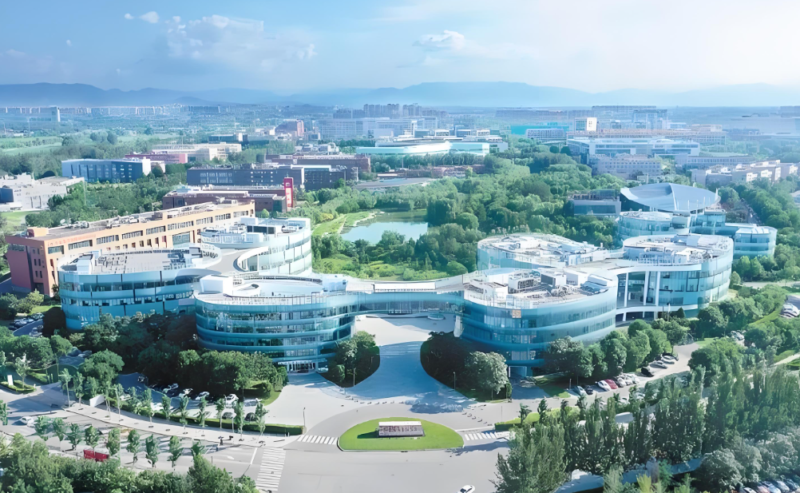





Based on 2024’s 4.98 trillion GDP, this guide explains Beijing’s tertiary industry-led structure for foreigners, covers sci-tech landmarks like Zhongguancun, and provides exclusive high-tech tour routes with practical tips.
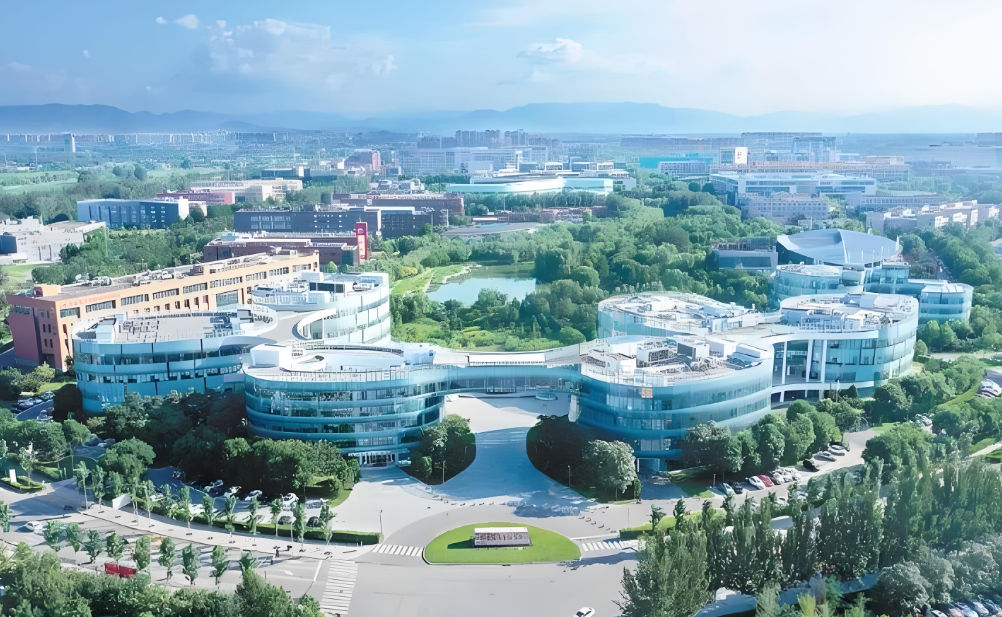
When talking about Beijing, foreign tourists are mostly enchanted by the cultural heritage of red walls and yellow tiles, but few know that the city has built China’s top high-tech industry matrix with a total economic output of 4.98 trillion yuan (2024 data). Among this, the tertiary industry contributes 4.24999 trillion yuan, which not only supports the core of the economic landscape but also gives birth to a number of tangible and experienceable sci-tech landmarks. Wandering around these industrial highlands, you can not only understand the innovative vitality behind the figures but also feel the unique temperament of modern Beijing where “ancient capital and sci-tech coexist”, starting a different urban exploration journey.
Beijing’s high-tech industry layout is not scattered but forms a pattern of “core agglomeration and multi-point radiation”, with each industrial cluster corresponding to unique tourist value. As the core pillar of the tertiary industry, the next-generation information technology industry is the most perceptible field for tourists. Its core agglomeration area, Zhongguancun Science City, is known as China’s “Silicon Valley” and undertakes the core mission of Beijing’s original innovation. It is not only home to leading tech enterprises such as Baidu and ByteDance but also houses the Zhongguancun National Independent Innovation Demonstration Zone Exhibition Center, which intuitively presents breakthrough achievements in artificial intelligence, big data, cloud computing and other fields through interactive exhibits and cutting-edge technology demonstrations. Foreign tourists can experience AI speech translation, autonomous driving simulation, metaverse scene interaction here, deeply feeling how technology changes life. The exhibition hall provides English interpretation services, taking about 1.5 hours in total, suitable for sci-tech enthusiasts to explore in depth.
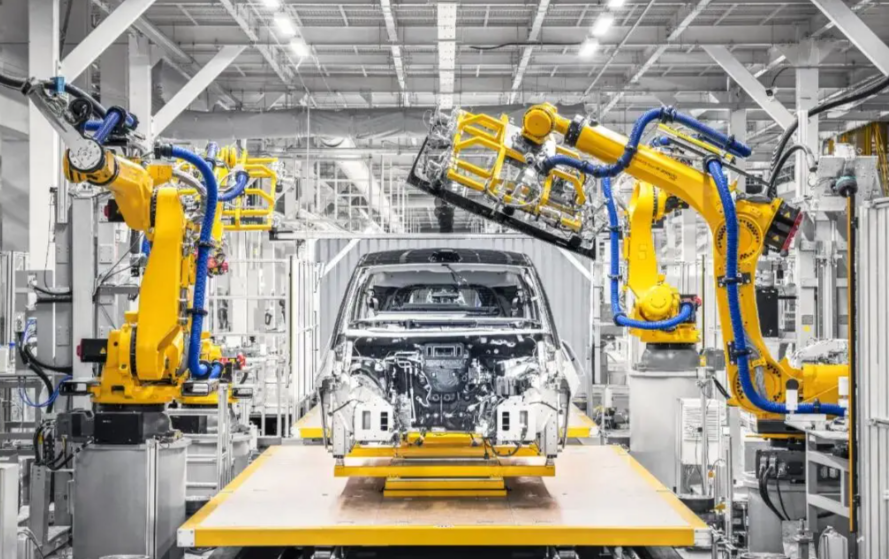
Complementary to the “software innovation” in Zhongguancun, the Beijing Economic and Technological Development Zone (Yizhuang) is a concentrated embodiment of the “hard power” of high-tech industries, focusing on core fields such as Medical and health care, and integrated circuits. It is also an important carrier of high-end manufacturing services in the tertiary industry. Home to China Pharmaceutical Valley, Beijing Integrated Circuit Industrial Park and other characteristic parks, it is not only an industrial highland but also equipped with a number of popular science and experience venues. China Pharmaceutical Museum is the first comprehensive medical and health museum in China, showing the development context and cutting-edge achievements of the medical and health industry through cultural relic displays, experimental simulations, health popularization and other forms. Foreign tourists can learn about the integration of traditional Chinese medicine processing techniques and modern biopharmaceutical technology, and the Museum provides English guidebooks. The nearby Yizhuang New City Riverside Forest Park is an ecological secret in the industrial area. After the tour, you can walk and relax here, feeling the livable atmosphere of “industry-city integration”.
As a core track of high-tech industries, artificial intelligence has been deeply integrated into Beijing’s urban fabric, becoming a tourist experience that can be unlocked at will. In addition to the technology demonstrations in Zhongguancun, Wangjing Science and Technology Park gathers many AI innovation enterprises, and some enterprises have set up open experience spaces where tourists can experience interactive projects such as intelligent robot services, AI painting creation, and smart wearable device testing. Baidu Science Park in Haidian District regularly holds science and technology open days. Foreign tourists can make an appointment to visit the AI laboratory, get up close to the research and development process of autonomous driving technology and intelligent assistants, and feel the whole chain of artificial intelligence from the laboratory to the market. In addition, core business districts in Beijing have also integrated AI elements. Trendy landmarks such as SKP-S and Sanlitun Taikoo Li allow tourists to experience the integration of technology and business in shopping and leisure.
A one-day tour route combining “sci-tech + leisure” can be planned to connect these high-tech industrial landmarks, balancing industrial experience and urban customs. Start from the central urban area in the morning, take Metro Line 10 to Zhongguancun, visit the Zhongguancun National Independent Innovation Demonstration Zone Exhibition Center to gain an in-depth understanding of Beijing’s sci-tech innovation pattern; go to Wangjing at 11 a.m. to experience AI interactive projects, then have lunch around Wangjing SOHO, where there are restaurants of various international flavors to meet diverse dietary needs; take Metro Line Yizhuang to Yizhuang in the afternoon, visit China Pharmaceutical Museum to feel the charm of the Medical and health industry; go to Yizhuang New City Riverside Forest Park in the evening to enjoy the blend of sunset and the industrial new city. After the tour, you can take the intercity railway back to the central urban area or go to Daxing International Airport for the subsequent trip.
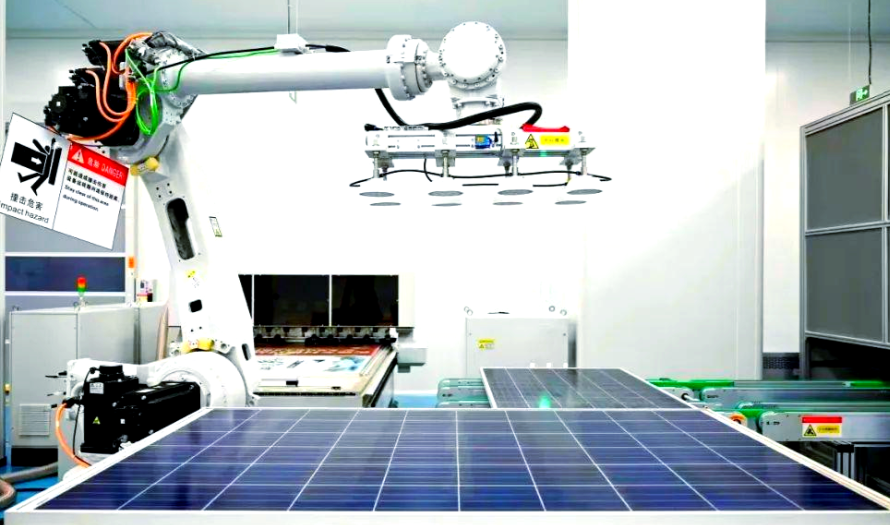
When visiting high-tech industrial landmarks, it should be noted that some venues (such as Baidu Science Park and enterprise experience spaces) need to be booked online 1-3 days in advance. You can make a reservation through the official WeChat public account or email, marking “foreign tourist” to reserve English services. It is advisable to wear comfortable casual clothes and carry a portable water cup. Photography is prohibited in some exhibition halls, and on-site regulations must be observed. In addition, Zhongguancun, Wangjing and Yizhuang are all well-connected by metro and bus. Metro lines support Alipay and WeChat payment for tickets, and you can also buy a Beijing Transportation Card in advance for more convenient travel. These industrial landmarks are not only engines of economic growth but also new business cards of Beijing’s modern tourism, allowing foreign tourists to touch the most cutting-edge innovative pulse of the city while feeling the heritage of the ancient capital.



暂无评论内容