




The cultural charm of Beijing lies in that it never separates tradition from modernity, but allows cultural symbols of different eras to coexist and thrive here. From the Forbidden City, which carries thousands of years of imperial memories, to the 798 Art Zone that showcases cutting-edge creativity; from the trendy Sanlitun to the reborn Shougang Industrial Heritage Park, each landmark is a microcosm of a cultural narrative. For foreign tourists, wandering through these distinct spaces allows you to touch the historical texture of the ancient capital and feel the vibrant pulse of modern Beijing, immersing yourself in the unique temperament of “ancient-modern collision and diversified integration”.
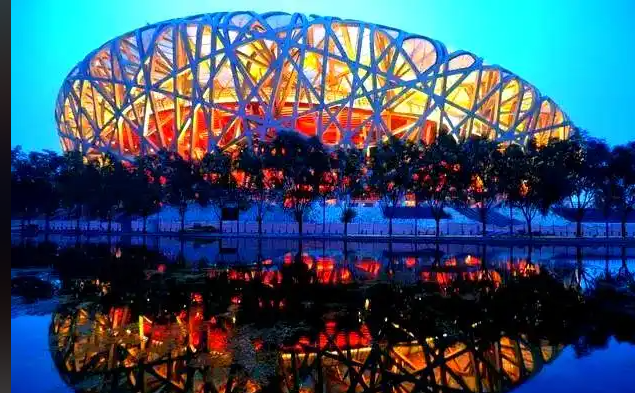
traditional landmarks are the foundation for understanding Beijing’s Culture, and the Forbidden City and the National Museum of China are undoubtedly the core representatives. As the pinnacle of Chinese wooden palace complexes, the Forbidden City was the imperial palace of the Ming and Qing dynasties, with red walls and yellow tiles hiding the most authentic Oriental ritual aesthetics. To visit the Forbidden City, it is recommended to avoid morning and evening peaks. Enter from the Meridian Gate and check in at the Hall of Supreme Harmony, Hall of Central Harmony and Hall of Preserving Harmony along the central axis to feel the layout logic of “front court for state affairs and back court for daily life”. The Imperial Garden and Chuxiu Palace in the harem area hide details of royal life, and the cultural relics on display in the halls and the paintings on the beams all tell the stories of the former court. To deeply understand Chinese history, the National Museum of China adjacent to the Forbidden City is a must-visit. It houses tens of millions of cultural relics, from ancient oracle bones and bronzes to modern historical relics, systematically showing the continuity of Chinese civilization. Some exhibition halls provide English explanations to help foreign tourists understand the historical value behind the cultural relics.
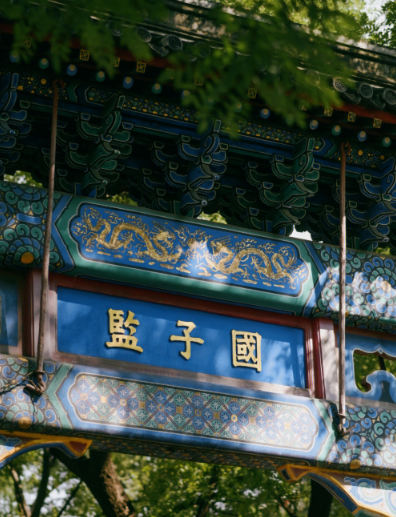
Contemporary art landmarks have injected cutting-edge vitality into Beijing, with 798 Art Zone and Longfu Temple Cultural Center being the most representative. Transformed from an abandoned state-owned electronic factory, the 798 Art Zone features a strong contrast between mottled red brick workshops, towering chimneys and creative art installations, becoming a gathering place for global artists and literary enthusiasts. It is full of galleries, art studios and cultural and creative shops, regularly holding avant-garde art exhibitions, sculpture exhibitions and performance art shows. The graffiti walls around the corner and artworks transformed from waste machinery can make people feel the unique charm of “industrial heritage + artistic creativity”. Different from the rough artistic sense of 798, Longfu Temple Cultural Center has a more urban literary atmosphere. Renovated on the basis of the centuries-old Longfu Temple, it integrates traditional courtyard texture with modern architectural design. The terrace on the top floor offers a panoramic view of the Forbidden City, and the bookstores, niche cafes and boutique art galleries in the Park are suitable for slowing down and immersive experience, feeling the literary rebirth of the old urban area.
Trendy landmarks show the young and diversified side of Beijing. Sanlitun Taikoo Li, SKP-S and Huaxi Live together form the trendy triangle of Beijing. Sanlitun Taikoo Li is famous for its open-block design, gathering top global luxury brands, trendy stores and characteristic catering. It is not only a shopping paradise, but also a gathering place for fashionistas. The street styles and open-air trendy activities can let you capture the fashion pulse of Beijing. SKP-S focuses on “futurism”, deeply integrating shopping with art experience. The space-themed installations and simulated animal scenes in the store turn every shopping trip into an immersive adventure, especially suitable for tourists who like niche creativity and high-end consumption. Huaxi Live focuses on “young socialization”, with open-air squares holding music festivals, markets and sports events all year round, paired with various internet-famous catering and entertainment facilities, making it an excellent place to experience Beijing’s nightlife and youth Culture.
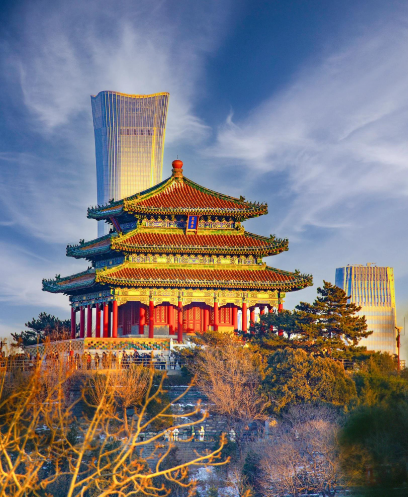
The transformation of Shougang Industrial Heritage Park is the best footnote to the diversity of Beijing’s Culture. Once a steel factory area, it has been brilliantly transformed during the 2022 Beijing Winter Olympics into a composite landmark integrating industrial heritage, Winter Olympic venues and ecological parks. It retains industrial relics such as towering No.3 Blast Furnace and huge steelmaking converters, and newly built Winter Olympic venues such as Shougang Big Air, perfectly integrating industrial tough style with ice and snow sports vitality. Tourists can visit the Winter Olympic Exhibition Hall to learn about the venue renovation process, climb the viewing platform of No.3 Blast Furnace to overlook the magnificent scenery of the whole park, and experience ice and snow projects such as skiing and ice skating in winter, feeling the transformation from “industrial rust belt” to “urban show belt”.
A one-day tour route of “tradition + trend” is recommended for foreign tourists: visit the Forbidden City in the morning to feel the imperial cultural heritage; tour the National Museum of China in the morning to sort out the context of Chinese civilization; go to 798 Art Zone after lunch to encounter avant-garde art; head to Sanlitun Taikoo Li in the evening to experience the trendy atmosphere and characteristic dinner; if time permits, visit Huaxi Live to feel Beijing’s night vitality. For practical tips, the Forbidden City and the National Museum of China need to be booked online 3-7 days in advance, and it is recommended to bind passport information; some exhibition halls in 798 Art Zone charge fees, and you can choose to visit as needed; Shougang Industrial Heritage Park is large, so it is recommended to take the park shuttle bus; most trendy blocks support foreign currency payment and mobile payment, so there is no need to carry a lot of cash when traveling.

暂无评论内容