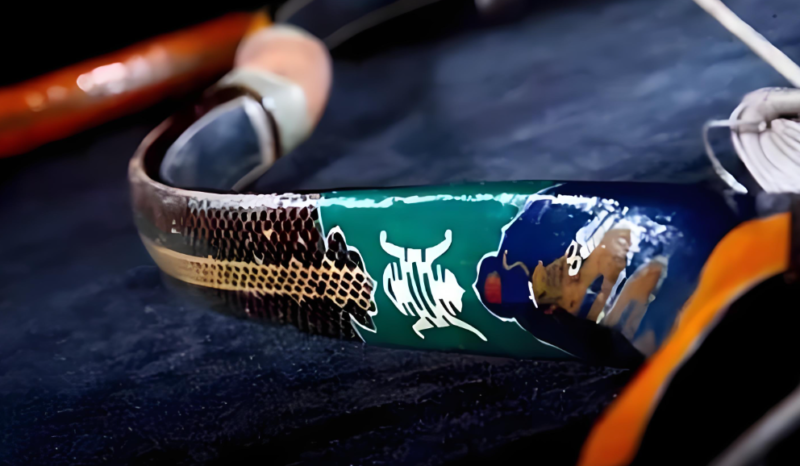





Among the intangible cultural heritage crafts of old Beijing, Juyuanhao’s bow and arrow making technique is a unique treasure that carries the glory of the cold weapon era and Eastern craftsmanship. As the only time-honored traditional bowmaking shop in Beijing that has been passed down to the present day, this nearly 300-year-old craft originated from the “Bow Workshop” of the Qing Imperial Workshop. From making royal weapons to becoming a national intangible cultural heritage, it continues a century-old legend in the hands of craftsmen. For foreign travelers, exploring Juyuanhao means touching the most profound pulse of Beijing’s imperial craftsmanship and traditional archery Culture.
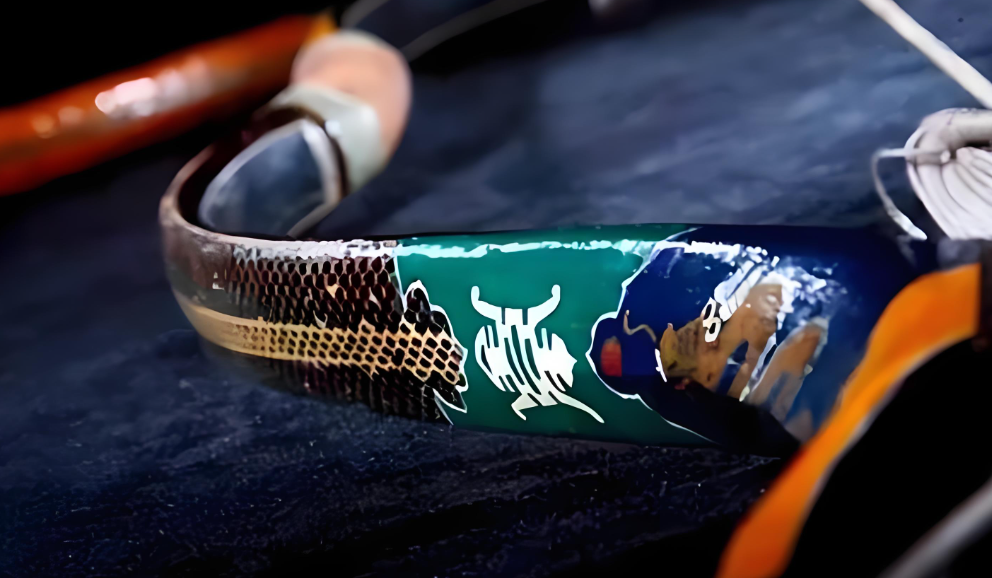
The history of Juyuanhao dates back to the early Qing Dynasty. Its predecessor was a court bowmaking workshop that entered the pass with the Qing army, belonging to the “Bow Workshop” of the Qing Imperial Household Department. It was specially responsible for making bows and arrows for the royal family, with production and sales strictly controlled by the court. At that time, in the Qing Dynasty where “bow, horse and archery” were the foundation of the country, Juyuanhao’s bows and arrows were not only weapons but also carried royal dignity and military glory, with craftsmanship representing the peak of national bowmaking at that time. During the Daoguang period, with the rise of firearms, the use of bows and arrows declined. The imperial Bow Workshop was disbanded, and craftsmen brought their skills to the “Bow and Arrow Courtyard” in Dongsi, Beijing. Since then, Juyuanhao has transformed from an imperial workshop to a folk workshop, continuing its heritage alongside more than 40 other bow and arrow shops.
In the late Qing Dynasty and the early Republic of China, Juyuanhao experienced ups and downs and was almost lost. Around 1900, Yang Ruilin, grandfather of Yang Fuxi, bought the struggling Juyuanhao for 40 silver dollars. With exquisite craftsmanship and innovation, he developed crossbows, sleeve arrows, arrow guns and other products, revitalizing the shop. During this period, Juyuanhao was already popular among foreign friends. In 1935, a British lady visited specially to buy bows and arrows and took photos as a souvenir, confirming its international influence. After the founding of New China, affected by the times, bow and arrow making was interrupted for 30 years. It was not until 1992 that Yang Fuxi, the 10th generation inheritor, resigned from his job and learned the craft from his father Yang Wentong, bringing this ancient skill back to public attention. In 2006, Juyuanhao’s bow and arrow making technique was included in the first batch of national intangible cultural heritage list, receiving systematic protection.
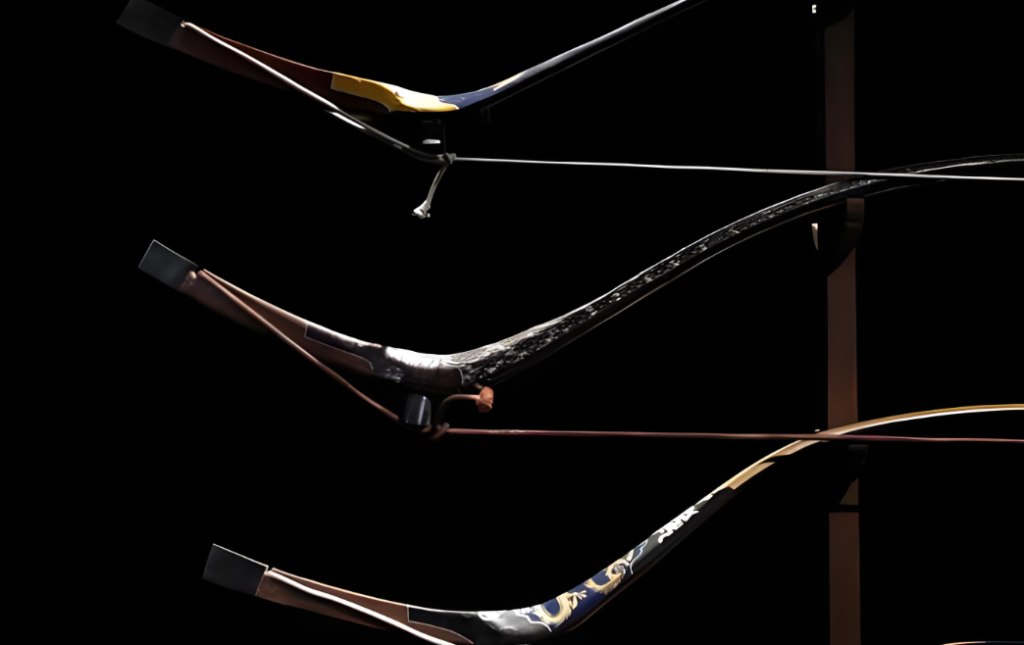
The exquisiteness of Juyuanhao’s bow and arrow making lies in its complex and strict procedures and pursuit of high-quality raw materials. The whole process is divided into two core links: “white work” and “painting work”, subdivided into hundreds of manual steps. Making a complete bow and arrow takes at least five months to half a year, and it needs to be stored for a whole year to go through seasonal adjustments to ensure stable shape. “White work” refers to the bow body production. Raw materials include water buffalo horns from Thailand and Vietnam, eagle and goose feathers from France, and high-quality local wood. First, bamboo is used as the inner tube, with wood embedded in the middle for shaping. Water buffalo horns are pasted on the outside and beef tendons on the inside to enhance elasticity. Then wooden bow tips are installed, and the bow is strung with special cotton thread, which can be shaped after repeated polishing and adjustment.
“Painting work” involves decoration and moisture-proof treatment of the bow body. First, birch bark is pasted on the bow to isolate moisture, then decorated with special paint, oil paper, pearlescent fish skin, snake skin and other materials. Patterns mostly include auspicious motifs such as “endless descendants” and “blessing, prosperity and longevity”, combining practicality and ornamental value. Although arrow making is relatively simple, it also needs to go through steps such as pole adjustment, skinning, scraping, arrowhead and feather installation. Each arrow is tailor-made according to the user’s height, arm span and strength to ensure range and accuracy. Natural fish glue is used as the adhesive, costing 700-800 yuan or even more than 1,000 yuan per barrel. Coupled with scarce raw materials and pure handcrafting, a Juyuanhao bow and arrow now costs 40,000-50,000 yuan, with orders queued for years.
As the 10th generation inheritor of Juyuanhao, Yang Fuxi is the core link of skill inheritance. He grew up in a bow and arrow making environment and has been deeply engaged in the craft for more than 30 years. He not only fully inherited the family’s complete skills but also helped the craft out of difficulties with perseverance. He has received help from distinguished figures such as Xu Kaicai, former head coach of the national archery team, and John Solty, a British archery enthusiast. Solty built an English website for him, attracting global lovers to Juyuanhao’s bows and arrows. Now Yang Fuxi has passed the skill on to his son, continuing the craft through family inheritance. Although facing the dilemma that young people are unwilling to learn and apprentices can hardly persist, he believes that as long as there are lovers, this craft will not be lost.
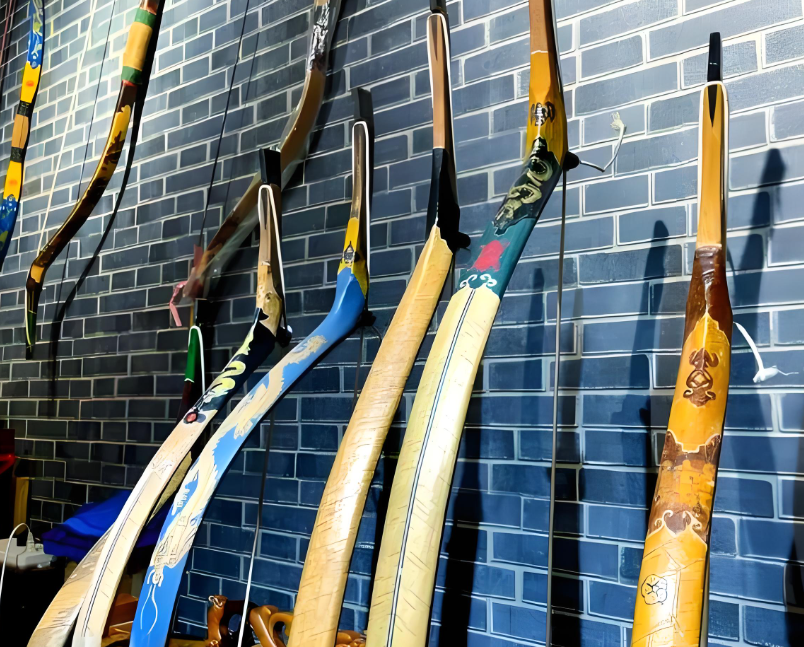
Today, to experience the charm of Juyuanhao’s bows and arrows immersively, you can visit two characteristic venues. The Juyuanhao shop in Panjiayuan Market is a window for external display and sales, where various finished bows and arrows are exhibited for you to intuitively feel their craftsmanship. Yang Fuxi’s workshop in Beiyaoyuan Village, Taihu Town, Tongzhou District, is the core position of skill inheritance. The “treasure of the shop” bow from the Daoguang period is displayed indoors with clear fire marks, and you can watch craftsmen demonstrate bow stringing, polishing and other procedures on site. For an in-depth understanding, you can contact and make an appointment in advance to visit, get close to this 300-year-old craftsmanship, and feel the Eastern aesthetics of the cold weapon era.
From an imperial weapon workshop to a national intangible cultural heritage, Juyuanhao’s bows and arrows carry not only a making craft but also the thousand-year heritage of China’s archery Culture. The persistence in each procedure and the exquisite selection of each raw material embody the craftsman’s respect for tradition; the birth of each bow and arrow is a time precipitation spanning four seasons. When you hold the bow body of a Juyuanhao bow and arrow, you can understand the perseverance of old Beijing craftsmen and feel the craftsmanship and glory that have stood the test of time.



暂无评论内容