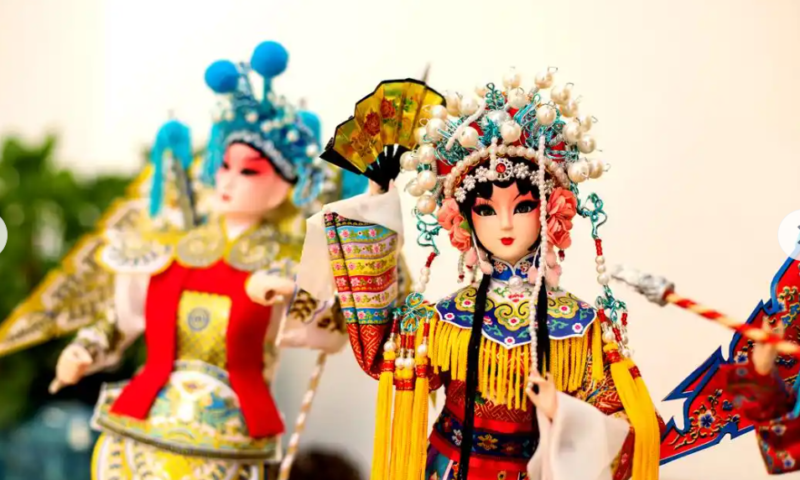





In the map of intangible cultural heritage crafts of old Beijing, Beijing Silk Figurines integrate the softness of fabrics with the delicacy of sculpting through the unique craftsmanship of “silk for clothing, wood for skeleton, and color for soul”, creating artistic treasures that are “both vivid in form and spirit”. This comprehensive craft that combines sculpture, painting, Embroidery and sewing has evolved from imperial dolls in the Tang Dynasty to the present, spanning a thousand years. It not only carries the luxury of royal rituals but also contains the vitality of civilian life, becoming an Eastern intangible heritage symbol with both ornamental value and cultural connotation. For foreign travelers, exploring the story of Silk Figurines means understanding the most vivid way of Beijing’s traditional sculpting crafts and aesthetic taste.
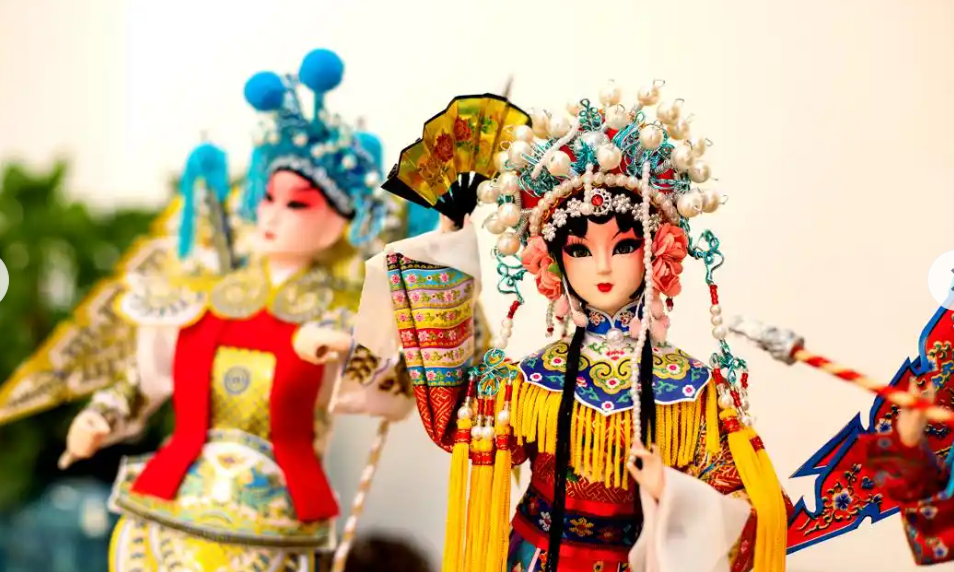
The history of Beijing Silk Figurines can be traced back to the Tang Dynasty. At that time, simulated dolls made of silk and damask, known as “silk dolls”, were popular in the imperial court, mostly used for court rituals, festival decorations and children’s toys. The “Dongjing Meng Hua Lu” (Dreams of Splendor of the Eastern Capital) recorded the sale of silk dolls in the markets of the Song Dynasty. At that time, silk figurines had moved from the court to the people, with increasingly rich shapes. After the Yuan Dynasty established its capital in Beijing, the craft of silk figurines was introduced to the city with craftsmen, integrating with local sculpture and Embroidery techniques, and gradually forming a Beijing-style feature that combined northern and southern styles, focusing more on depicting expressions and refining craftsmanship.
The Ming and Qing dynasties were the heyday of Beijing Silk Figurines. Especially in the Qing Dynasty, it became an exclusive imperial craft and was incorporated into the royal ritual decoration system. During the Yongzheng and Qianlong periods, the Imperial Workshop specially set up a workshop, recruiting top craftsmen from across the country to make silk figurines for the royal family, which were used for sacrificial ceremonies, palace decorations and diplomatic gifts. At that time, there was a wide variety of silk figurines, including ritual silk figurines restoring emperors, empresses and civil and military officials, scene silk figurines interpreting opera characters and folk stories, and even bionic silk figurines replicating flowers, birds, fish and insects. The craftsmanship of silk figurines reached its peak during this period. Craftsmen could accurately control the posture, clothing and expression of the characters. The Embroidery patterns on the silk clothes and the detailed carving of the accessories were extremely exquisite. A high-quality silk figurine often required dozens of craftsmen to spend months completing, which can be called “every inch of silk is worth every inch of gold”.
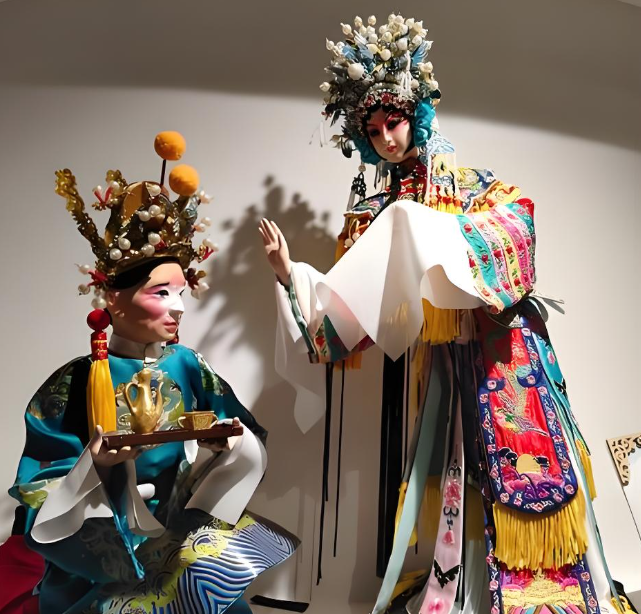
The birth of a Beijing Silk Figurine is the ultimate test of a craftsman’s comprehensive skills, requiring five core processes: material selection, shaping, clothing making, makeup, and assembly, subdivided into hundreds of manual steps, with no room for error in each step. Material selection is extremely strict. The fabric needs to be high-quality silk and damask produced in Hangzhou and Suzhou, which are soft and glossy, suitable for the clothing style of different characters; the skeleton is made of light camphor wood and bamboo strips, polished and shaped to ensure the stability and flexibility of the character’s posture; the accessory materials include pearls, jade, gold thread, etc., highlighting the luxury of the work.
Shaping and clothing making are the core of silk figurine craftsmanship. In the shaping link, craftsmen first build the character’s skeleton with bamboo strips and iron wire, then wrap it layer by layer with absorbent cotton and silk cloth to shape the body, accurately controlling the muscle lines and body proportions. From standing posture, sitting posture to hand gestures and expressions, they strive to fit the character’s identity and personality. The clothing making link is even more meticulous. It is necessary to first draw patterns according to the character’s shape, then cut the silk material, and hand-embroider the clothing patterns——the emperor’s dragon robe is embroidered with gold thread dragon patterns, the empress’s fancy dress is inlaid with flower and bird patterns, and the opera costumes of opera characters restore the classic version, with every stitch being delicate and neat. In the makeup link, craftsmen use special pigments to outline the eyebrows and eyes and apply lip makeup on the silk face, accurately restoring the character’s expression. The finishing touch makes the silk figurine come alive instantly. Finally, after assembling accessories and finishing the shape, a complete silk figurine work is completed.
In modern times, affected by modern toys and industrial products, the craftsmanship of Beijing Silk Figurines was once on the verge of extinction. It was not until the persistence and innovation of Li Peiqing, a national-level intangible cultural heritage inheritor, that this ancient craft regained vitality. Li Peiqing learned silk figurine making from her father since childhood and has been deeply engaged in the craft for more than 60 years. She not only completely restored the imperial silk figurine techniques of the Qing Dynasty but also integrated modern aesthetics and cultural elements, developing a series of works such as opera silk figurines, folk silk figurines and mini cultural and creative silk figurines, making silk figurines move from decorations to daily life. She set up an inheritance base at Beijing Silk Figurine Factory, took apprentices, systematically taught skills, and participated in intangible cultural heritage exhibitions and international cultural exchange activities, bringing Beijing Silk Figurines to the world.
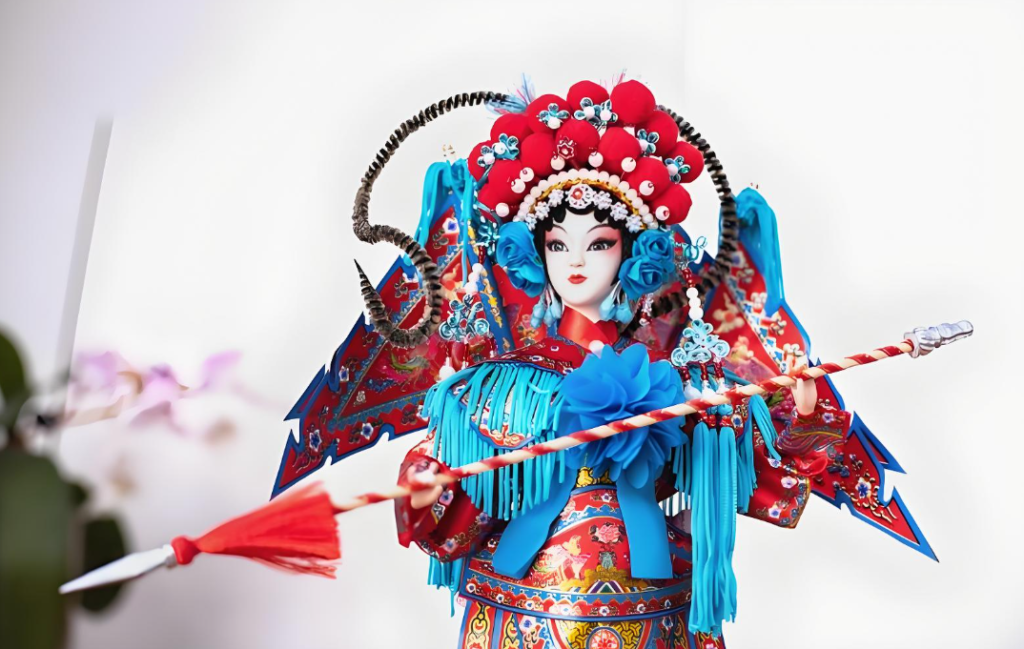
Today, to experience the charm of Silk Figurines immersively, you can visit several characteristic venues. The Palace Museum collects a large number of rare Ming and Qing imperial silk figurines, especially the ritual silk figurines and opera silk figurines in the Treasure Gallery and Clock and Watch Gallery, intuitively showing the craftsmanship at its peak. The Intangible Heritage Exhibition Hall of Beijing Silk Figurine Factory displays exquisite silk figurines from past dynasties and production tools, and you can also watch craftsmen demonstrate shaping and embroidery processes on site. Folk cultural and creative stores in Nanluoguxiang and Qianmen Street sell mini silk figurine ornaments, silk figurine keychains and other cultural and creative products. If you want to experience making it yourself, you can book an experience class at Li Peiqing’s intangible cultural heritage workshop, make a simple silk figurine pendant under the guidance of craftsmen, feel the fun of sculpting with your own hands, and take this Eastern elegance home.
From the luxurious decorations of imperial rituals to accessible intangible cultural heritage products, Beijing Silk Figurines carry not only diverse handcrafts but also the cultural memories of old Beijing and Eastern sculptural aesthetics. Every embroidery on the silk clothes hides the craftsman’s piety, and every stroke of the makeup reflects a thousand years of inheritance. When you hold a silk figurine, you can understand Beijingers’ pursuit of exquisite details and feel the thousand-year-old craftsmanship and artistic shock.



暂无评论内容