




Among the intangible heritage crafts of old Beijing, the Gold Lacquer Inlay and Lacquering Craft stands out as a royal art treasure integrating lacquering, inlaying, carving and gold tracing, with the luxurious texture of “golden glow reflecting lacquer charm, and inlaying containing ingenuity”. This time-honored craft, with natural lacquer as the base and gold foil, mother-of-pearl, jade and other materials as decorations, outlines complex patterns and creates three-dimensional layers on artifacts. It not only embodies the majesty of the royal family but also reflects the ultimate pursuit of “exquisite materials and superb craftsmanship” in Chinese aesthetics. For foreign travelers, exploring this craft is an excellent way to understand Chinese imperial decorative art and traditional craftsmanship.
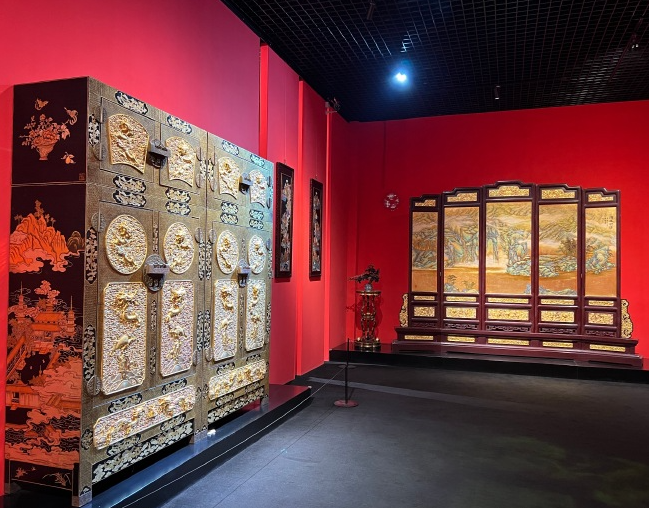
The rise and prosperity of Beijing Gold Lacquer Inlay and Lacquering Craft have always been deeply bound to the Ming-Qing imperial court Culture. During the Yongle period of the Ming Dynasty, the Imperial Workshops set up a lacquering workshop, gathering top lacquer craftsmen from across the country. They integrated folk lacquering techniques with royal aesthetics, creating a unique style of imperial gold lacquer inlay. It was mainly used to make royal furniture, decorative ornaments, ritual utensils and guards of honor, becoming an important symbol of imperial power. During the Qianlong period of the Qing Dynasty, this craft ushered in its heyday. Craftsmen not only inherited traditional techniques but also innovatively integrated various materials such as jade, ivory and enamel to enrich inlay categories. At the same time, they incorporated themes such as landscapes, flowers, birds, dragons, phoenixes and historical allusions into designs, forming an artistic feature of “rich and gorgeous composition, bright and solemn colors, and exquisite and complex craftsmanship”. Surviving works are scattered in royal buildings such as the Forbidden City and the Summer Palace.
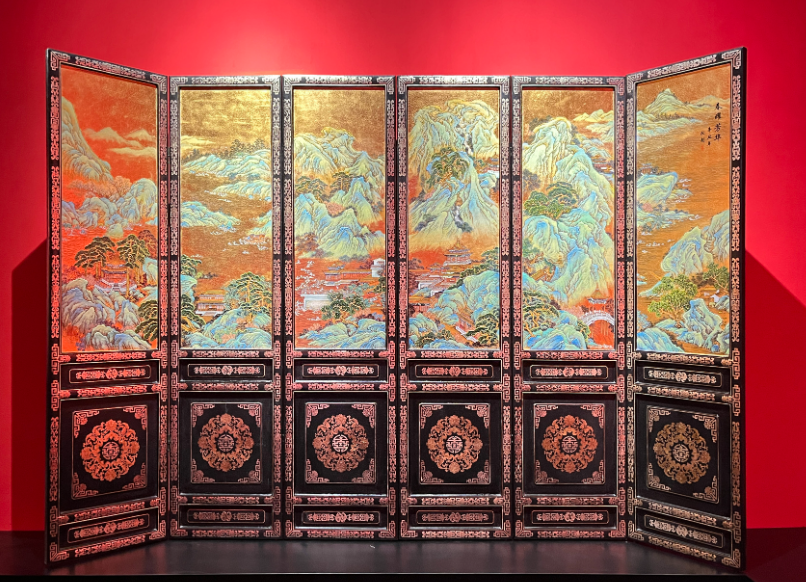
Treasures of this period are both practical and artistic, and contain profound cultural implications. The gold lacquer inlaid cloud-dragon throne displayed in the Hall of Supreme Harmony of the Forbidden City is made of high-quality hardwood as the frame, painted with dozens of layers of natural lacquer as the base, then carved and filled with cloud-dragon patterns using carving and filling, gold tracing techniques. Tiny gold foil is inlaid on dragon scales and cloud patterns, supplemented by mother-of-pearl inlays. The whole throne is brilliant with gold and imposing, becoming a pinnacle work of Qing Dynasty imperial furniture. The gold lacquer inlaid mother-of-pearl flower-and-bird screen in the Palace of Gathered Elegance uses mother-of-pearl pieces as thin as cicada wings to inlay flower-and-bird patterns. The natural luster of mother-of-pearl reflects colorful light and shadow, matched with gold lacquer outlined contours, showing the gentle and elegant imperial female aesthetic. Since the Republic of China, imperial craftsmen scattered among the people, and the craft gradually became popular among the public. After several generations of inheritance, Beijing Gold Lacquer Inlay and Lacquering Craft was included in the national intangible heritage list in 1996, becoming an important representative of Oriental lacquer art.
The exquisiteness of Gold Lacquer Inlay and Lacquering Craft lies in the ultimate use of materials and the perfect integration of diverse techniques. The whole process is rigorous and complex, completed entirely by hand, requiring hundreds of procedures from frame making to finished product, taking months or even years, and having high requirements for craftsmen’s skills and patience. Raw material selection is extremely rigorous: the base lacquer is extracted from natural lacquer trees, which needs to be purified, dried, blended and other procedures to ensure warm color, strong adhesion and durability; decorative materials include gold foil, silver foil, mother-of-pearl, jade, agate, coral, etc. Each material needs to be processed and polished separately to adapt to different inlay needs. The frame making link requires hard wood or metal to ensure the artifact is stable and not deformed, laying the foundation for subsequent lacquering and inlaying.
Five core techniques constitute the soul of Gold Lacquer Inlay and Lacquering Craft, which craftsmen flexibly use according to themes and shapes. First, carving and filling: carve pattern outlines on the lacquer surface, fill with colored lacquer and gold foil, then polish smooth, with neat lines and full colors. Second, mother-of-pearl inlay: cut mother-of-pearl pieces into required shapes and inlay them on the lacquer surface, using their natural luster to create light and shadow texture, including flat inlay, convex inlay, multi-treasure inlay and other subdivided techniques. Third, gold tracing: use a special gold pen dipped in paint mixed with gold powder and clear lacquer to outline patterns on the lacquer surface, showing luxury. Fourth, inlaying: carve jade, ivory and other materials into patterns and embed them into the lacquer surface, with a strong three-dimensional sense. Fifth, covering lacquer: apply transparent natural lacquer on the surface of the decorated artifact, which can not only protect the patterns but also enhance the overall luster. Each technique needs precise control; a little mistake requires starting over, highlighting the craftsmanship of “slow work yields fine products”.
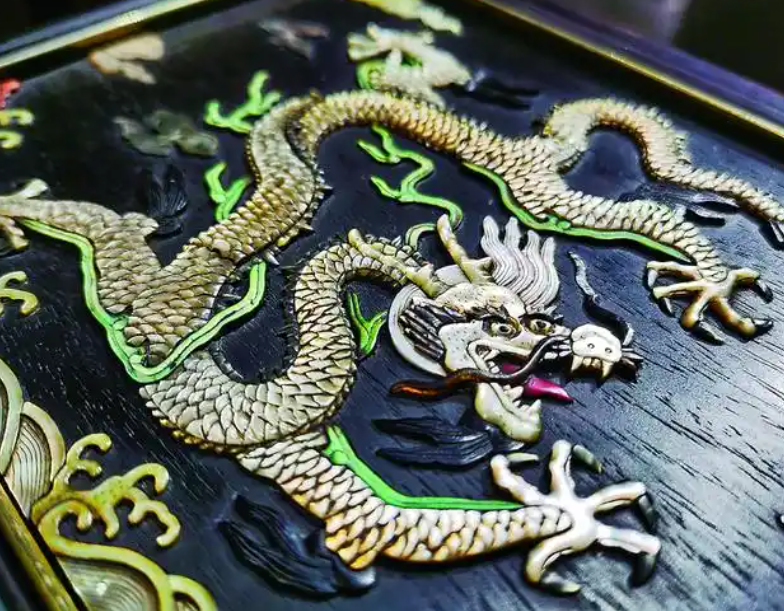
Today, this ancient craft is revitalized under the persistence and innovation of inheritors. Huo Tiehui, a national-level inheritor, has been deeply engaged in the craft for decades. He not only fully inherits the five core techniques but also devotes himself to the restoration and innovation of the craft. He has participated in the cultural relic restoration projects of ancient buildings such as the Forbidden City and the Summer Palace, accurately reproducing Ming and Qing gold lacquer inlay treasures. Combining modern aesthetic needs, he also innovatively develops small cultural and creative ornaments, decorative paintings and other products, integrating imperial craftsmanship into daily life, allowing more people to have the opportunity to contact this luxurious aesthetics. Young inheritors popularize craft knowledge through intangible heritage exhibitions, online promotion and experience courses, and try to combine modern design concepts with traditional techniques to make Gold Lacquer Inlay and Lacquering Craft adapt to contemporary living scenarios.
To experience the charm of Beijing Gold Lacquer Inlay and Lacquering Craft immersively, core viewing and experience venues are not to be missed. The Palace Museum is the first choice. The cloud-dragon throne in the Hall of Supreme Harmony, the mother-of-pearl screen in the Palace of Gathered Elegance, and various gold lacquer inlay decorations displayed in the Treasure Gallery allow you to intuitively feel the peak level of Ming-Qing imperial craftsmanship. Intangible heritage workshops and high-end cultural and creative stores in Liulichang display works by contemporary craftsmen all year round. Some workshops offer appointments to watch craftsmen demonstrate lacquering and inlaying procedures on site, letting you closely witness the creative process of gold lacquer and mother-of-pearl interweaving. In addition, the Beijing Arts and Crafts Museum displays rare treasures from past dynasties, from imperial ritual utensils to folk ornaments, allowing you to systematically understand the historical evolution and artistic characteristics of the craft.
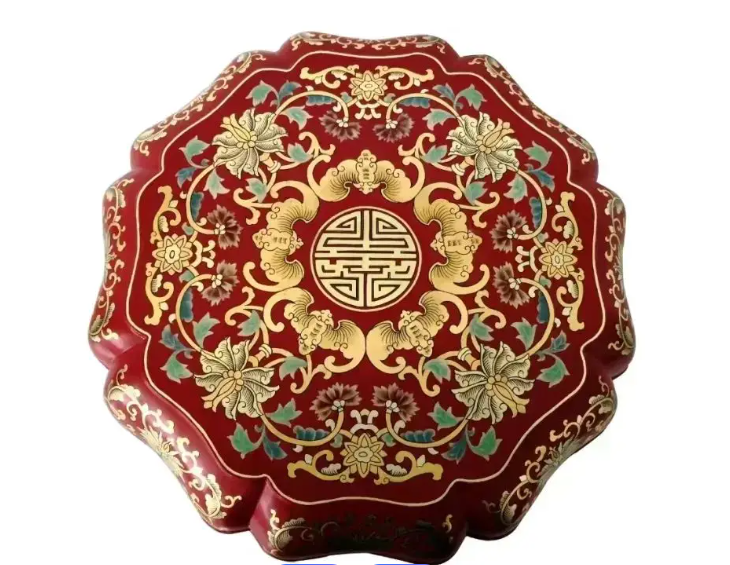
From a royal craft in the Ming and Qing dynasties to a contemporary intangible heritage treasure, from complex ritual utensils to daily cultural and creative products, Beijing Gold Lacquer Inlay and Lacquering Craft carries not only a handcraft but also the crystallization of Chinese imperial aesthetics and traditional lacquer art wisdom. Each layer of lacquer hides the precipitation of time, each inlay reflects the craftsman’s ingenuity, and each work continues the luxury and gentleness spanning hundreds of years. When you gaze at the flowing patterns of gold lacquer, you can understand the Chinese pursuit of ultimate materials and craftsmanship, and feel the Oriental heritage hidden between the lacquer color and golden glow.




暂无评论内容